Home » 2015 (Page 6)
Yearly Archives: 2015
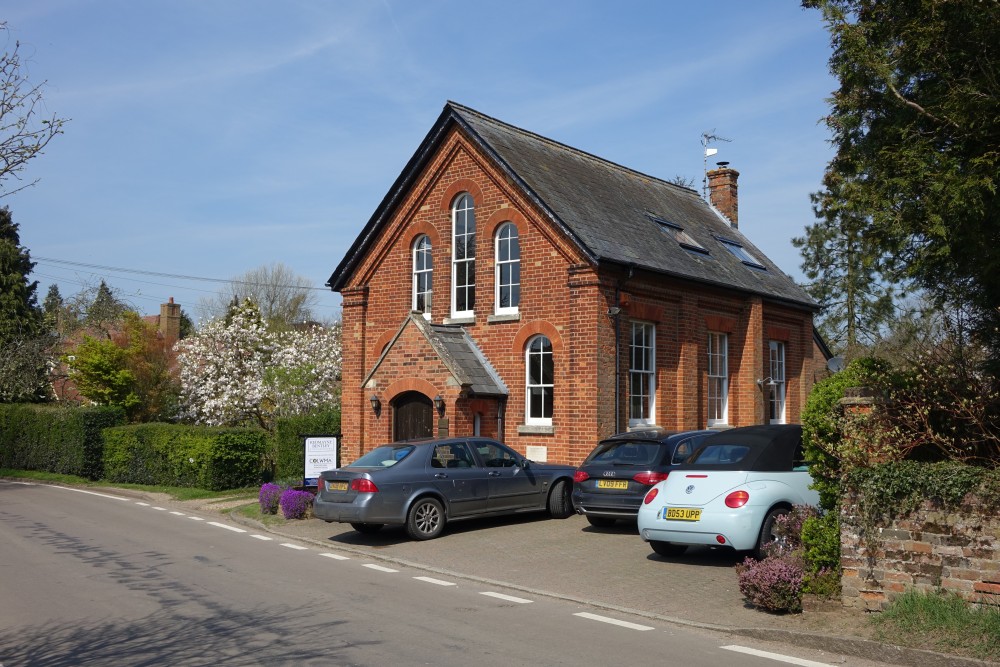
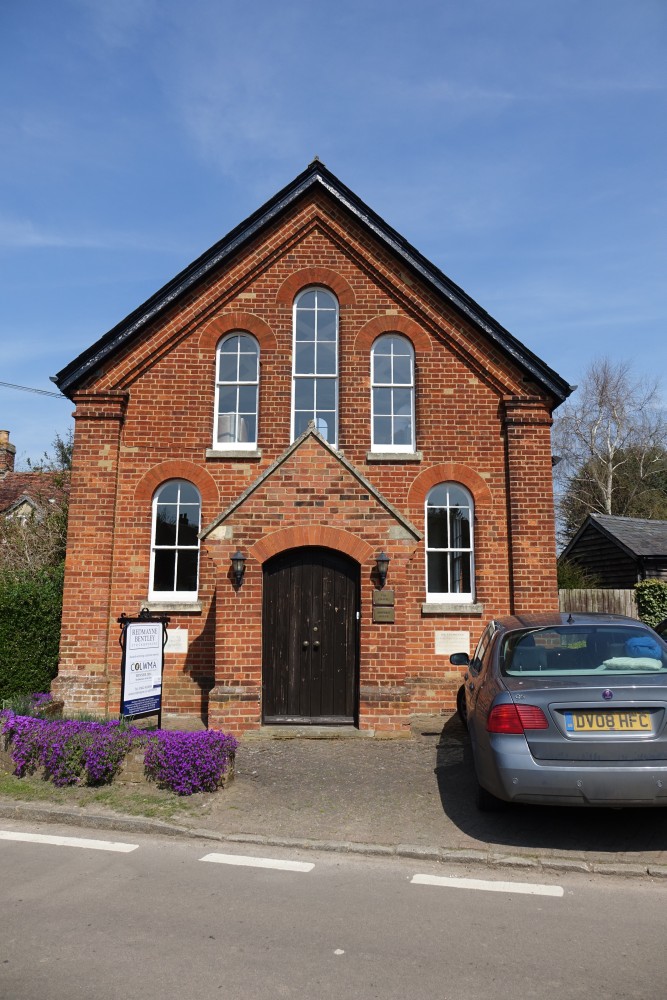
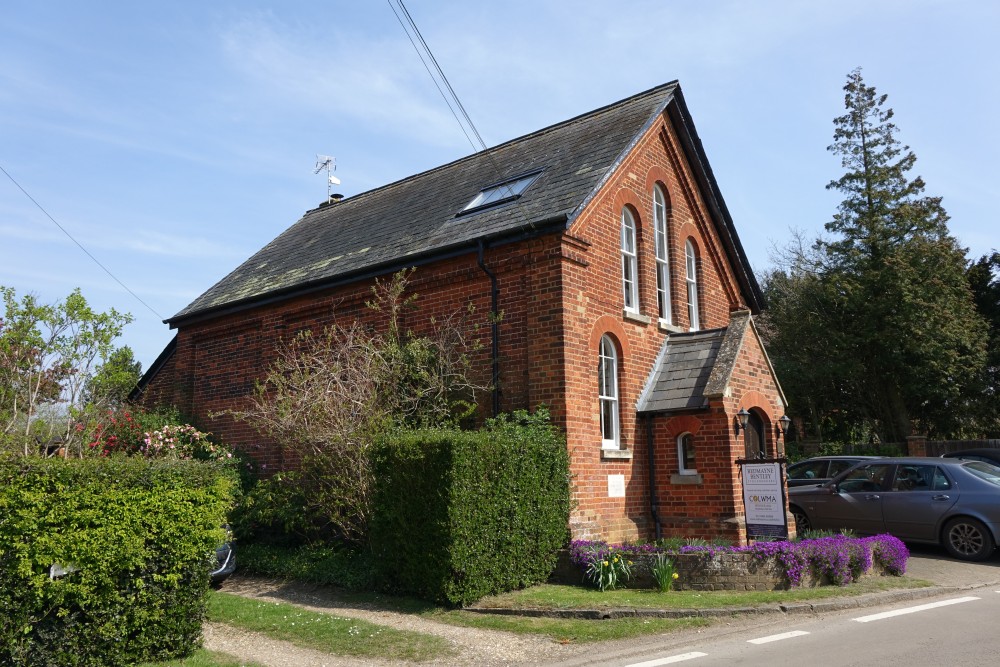
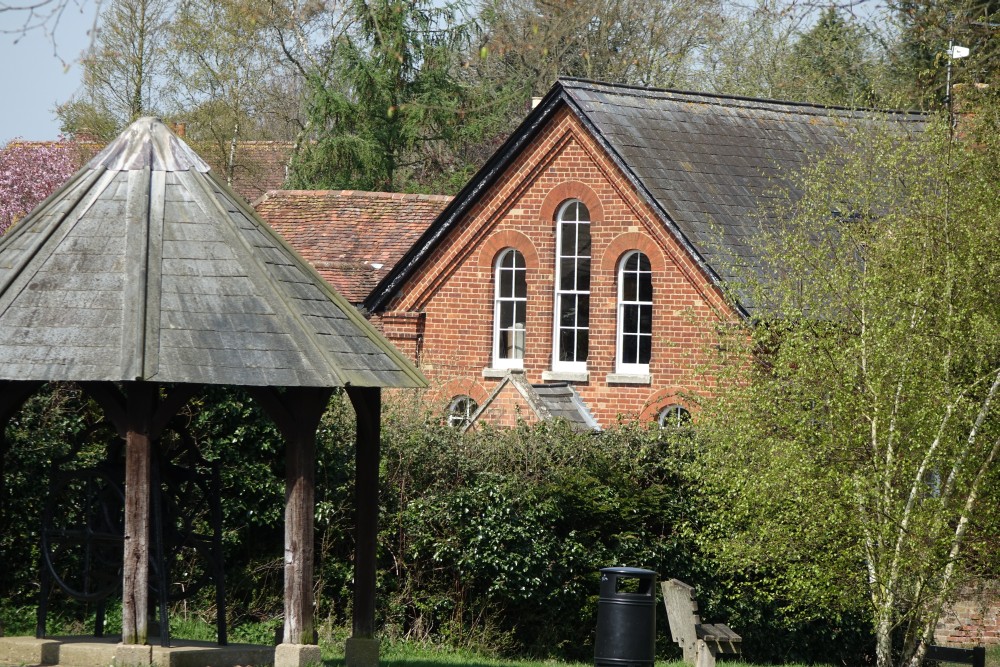
Bunyan’s Chapel (former), Preston
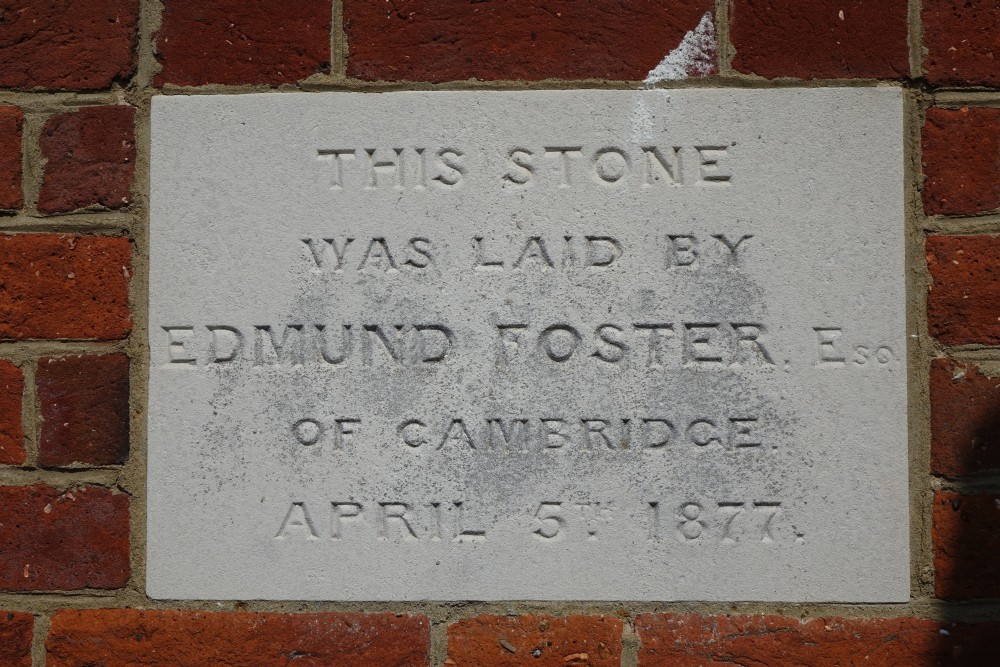
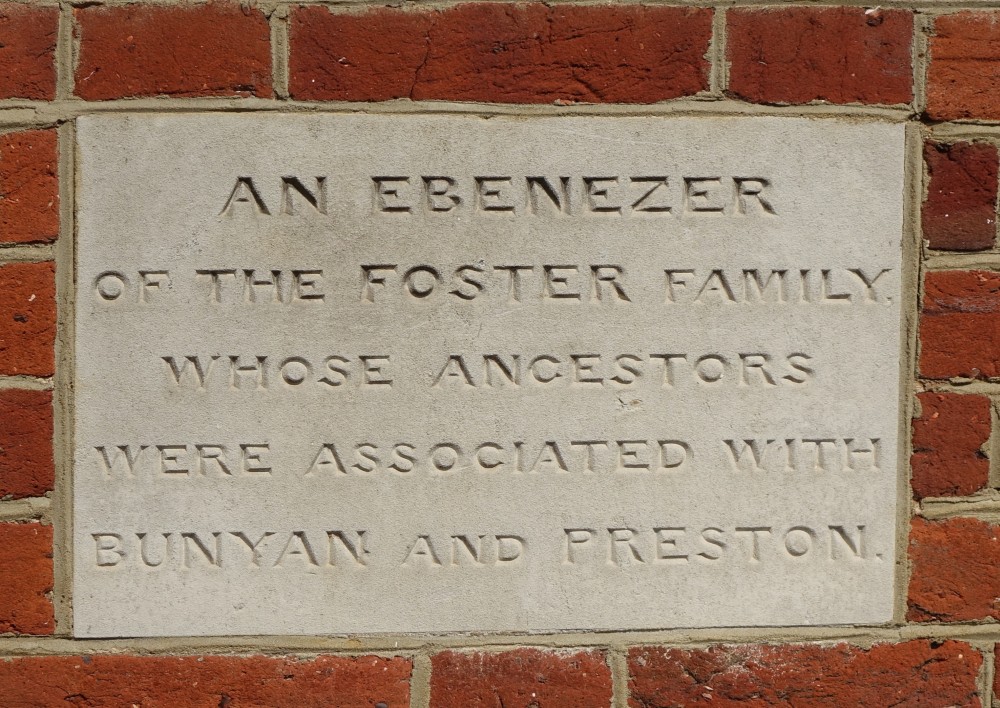
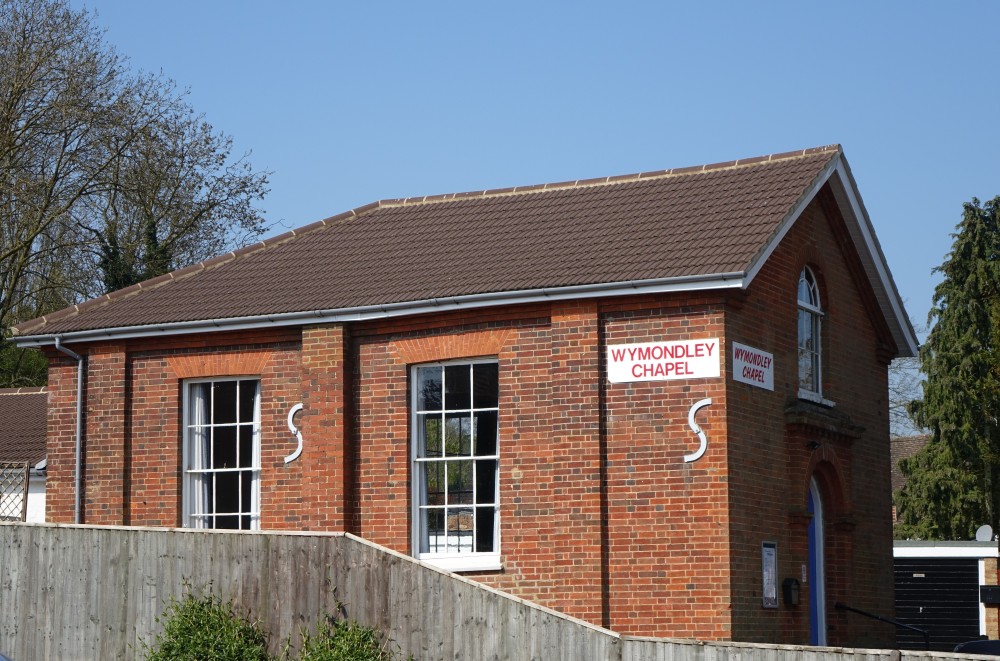
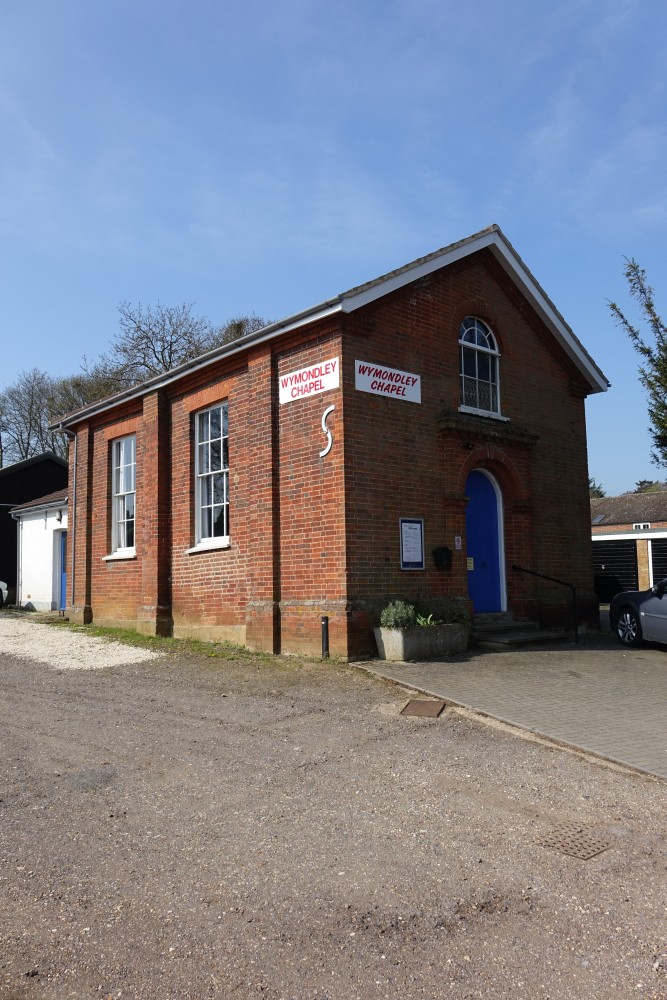
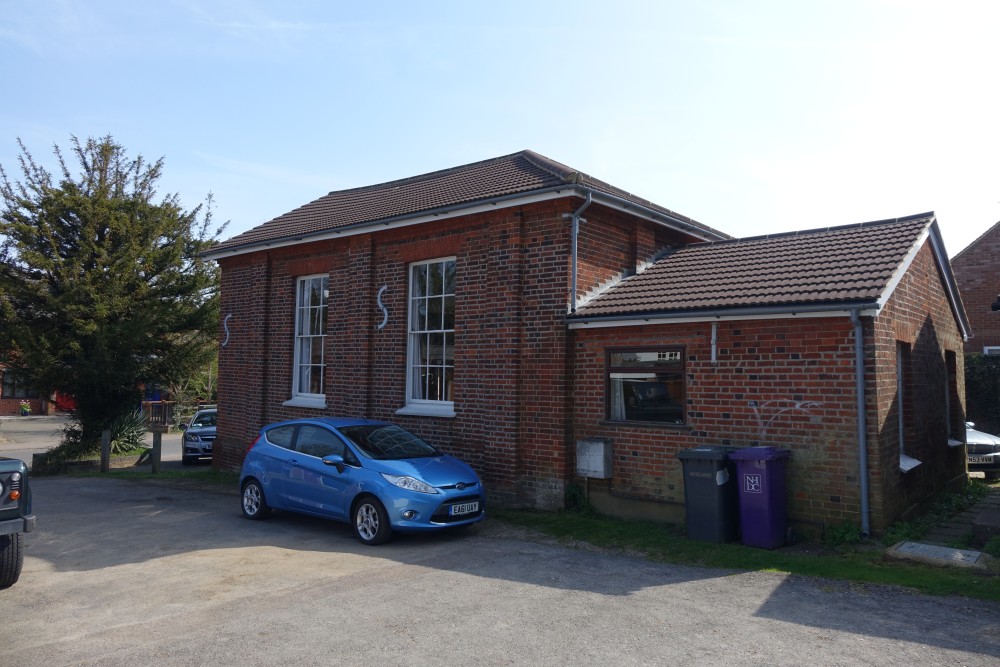
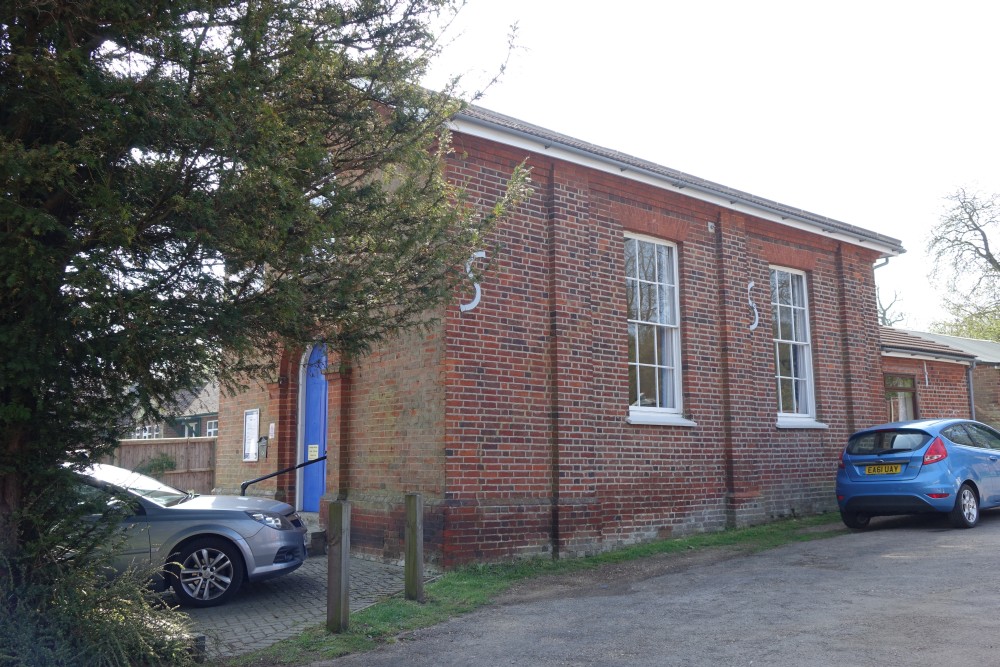
Opposite the village green, this chapel is now a Stockbroker’s office. It was built in 1877 as a Baptist church commemorating the links that the area has with John Bunyan. It closed in 1987
 |
 |
 |
 |
 |
 |
Burial Ground, Redhill
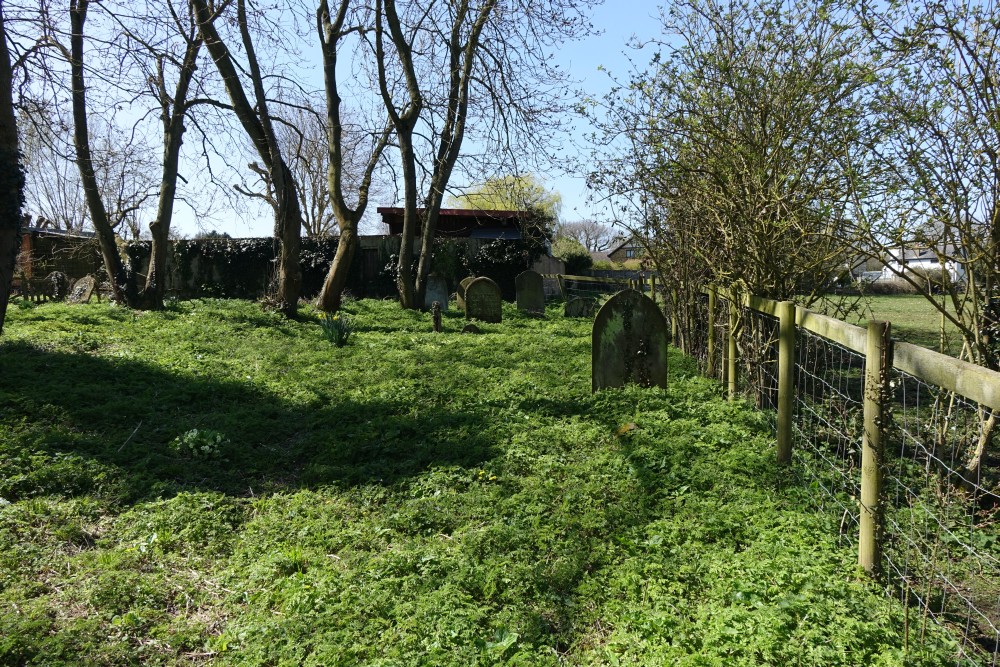
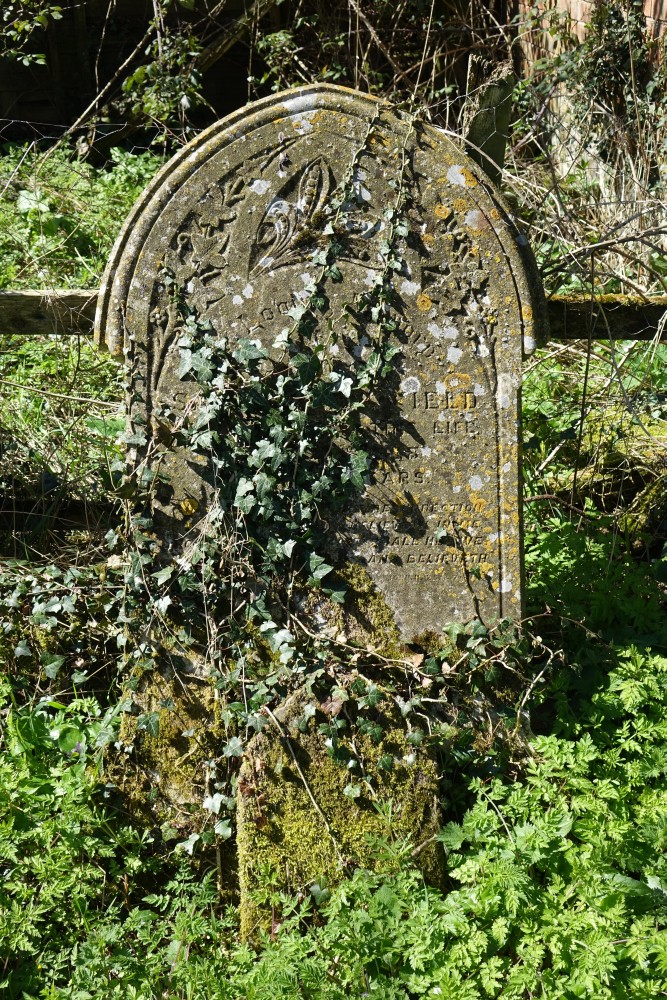
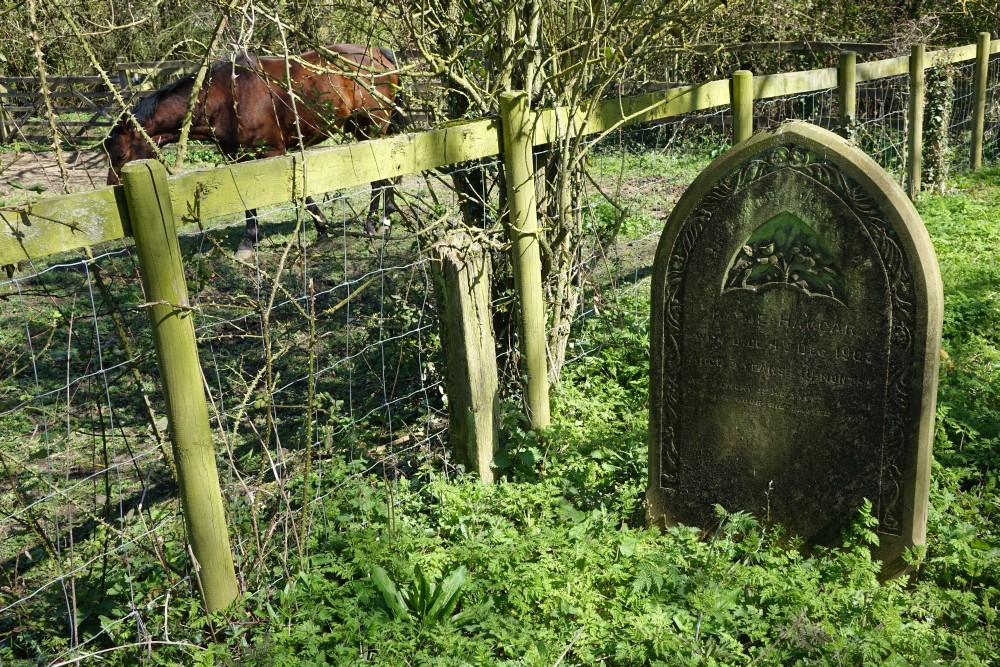
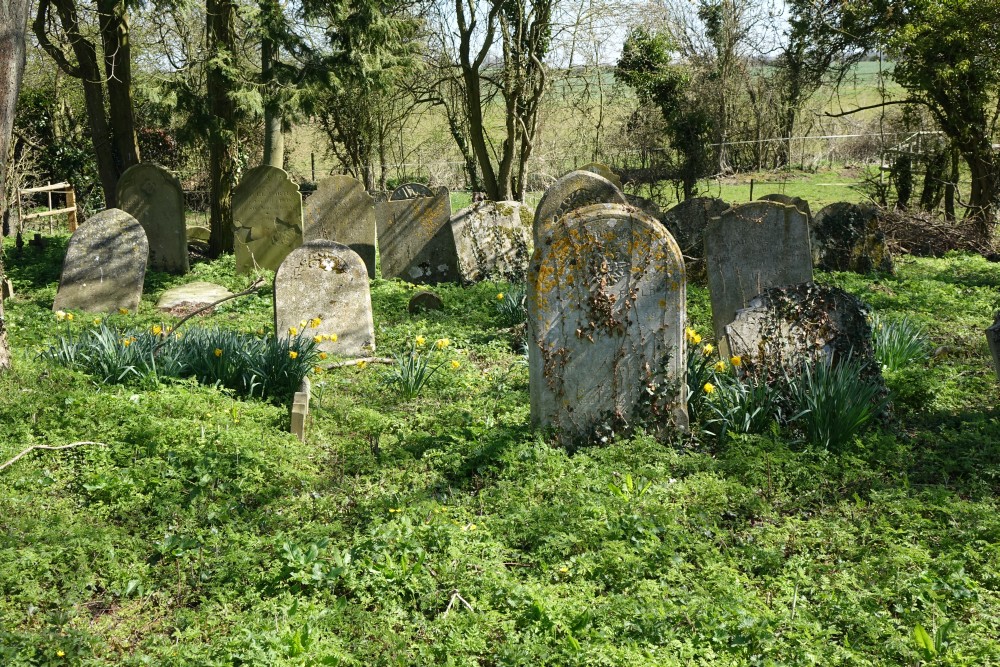
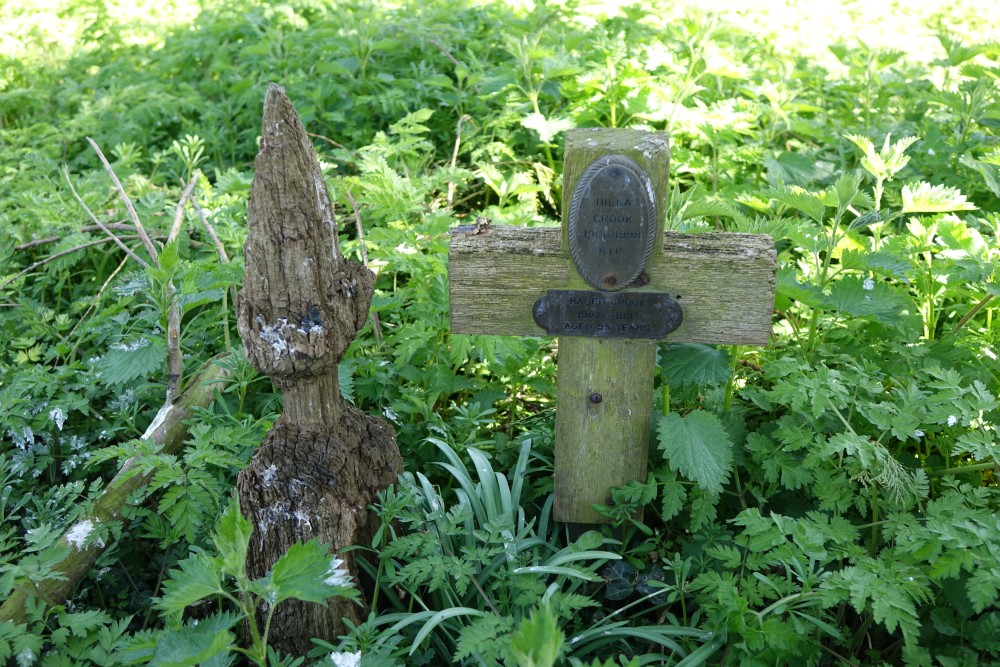
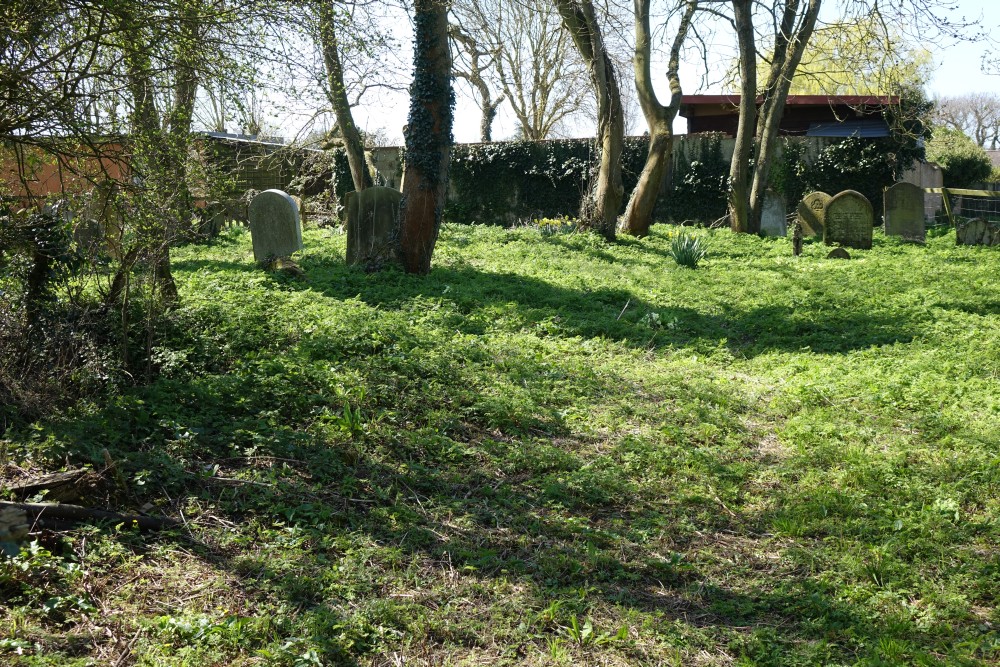
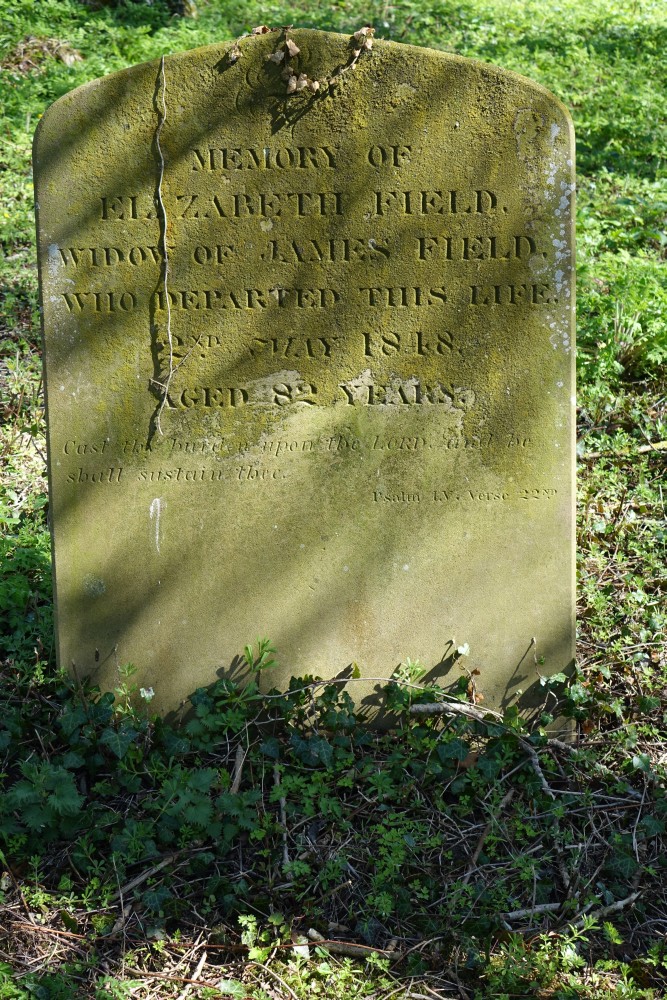
At the end of a muddy dead end bridleway lies the burial ground of a now demolished Independent Chapel which served this small hamlet between Sandon and Wallington.
 |
 |
 |
 |
 |
 |
 |
 |
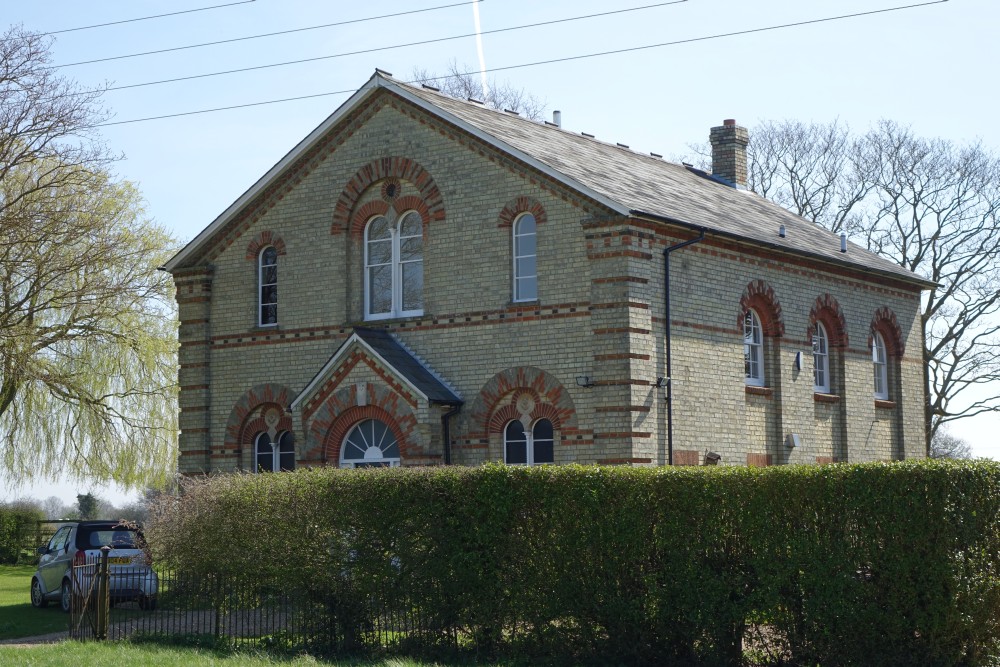
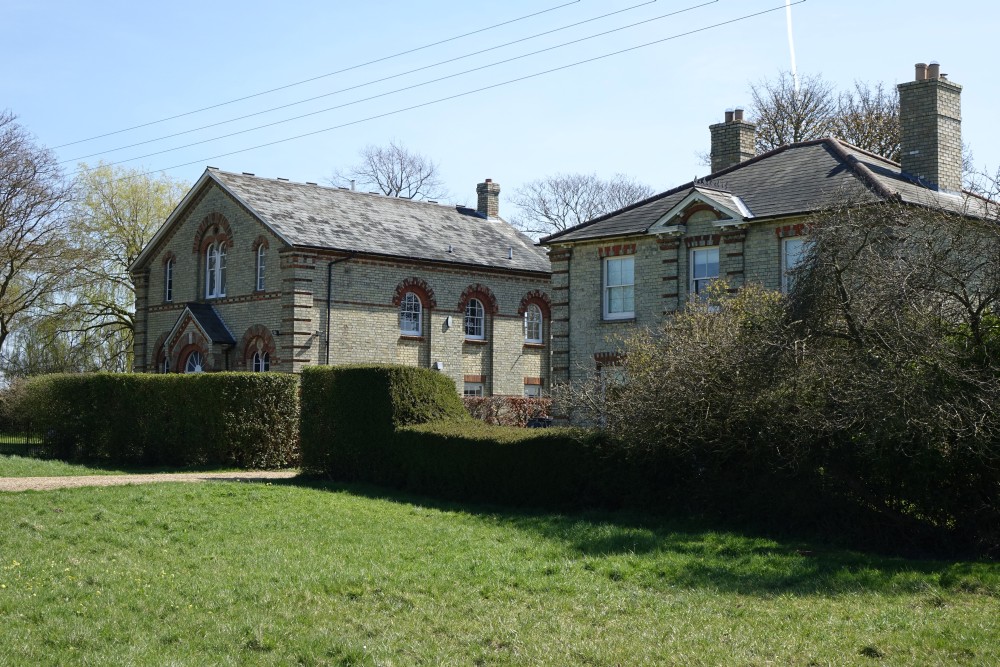
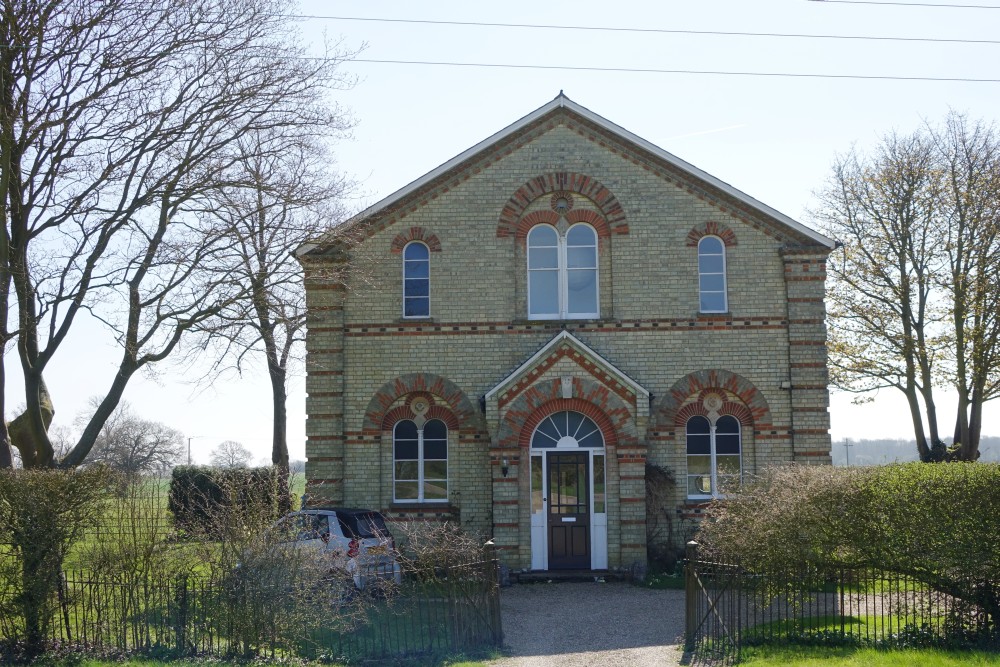
Congregational Chapel (former), Roe Green, Sandon
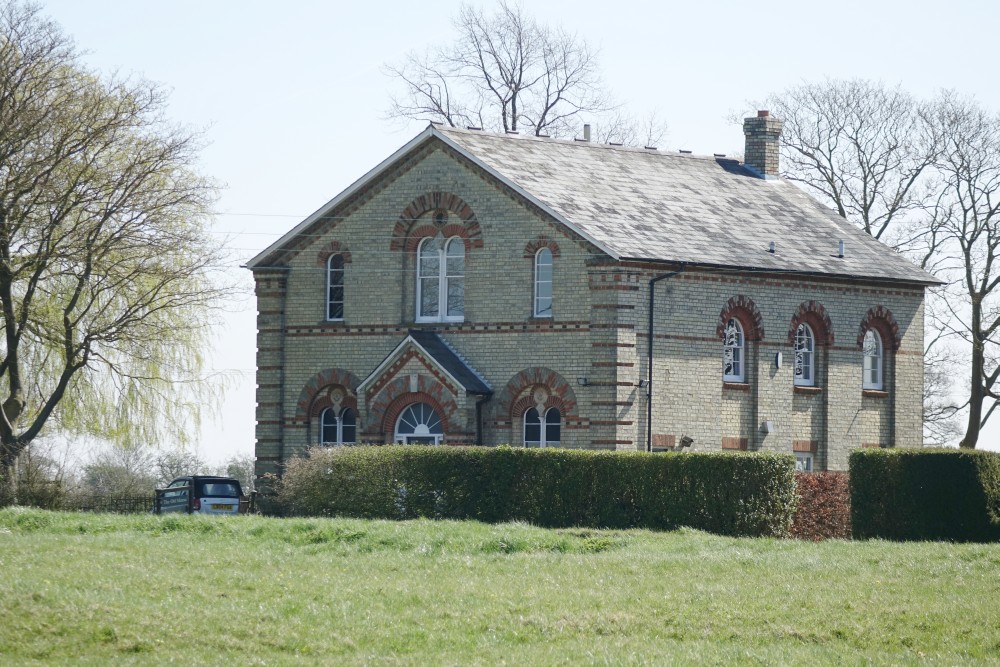
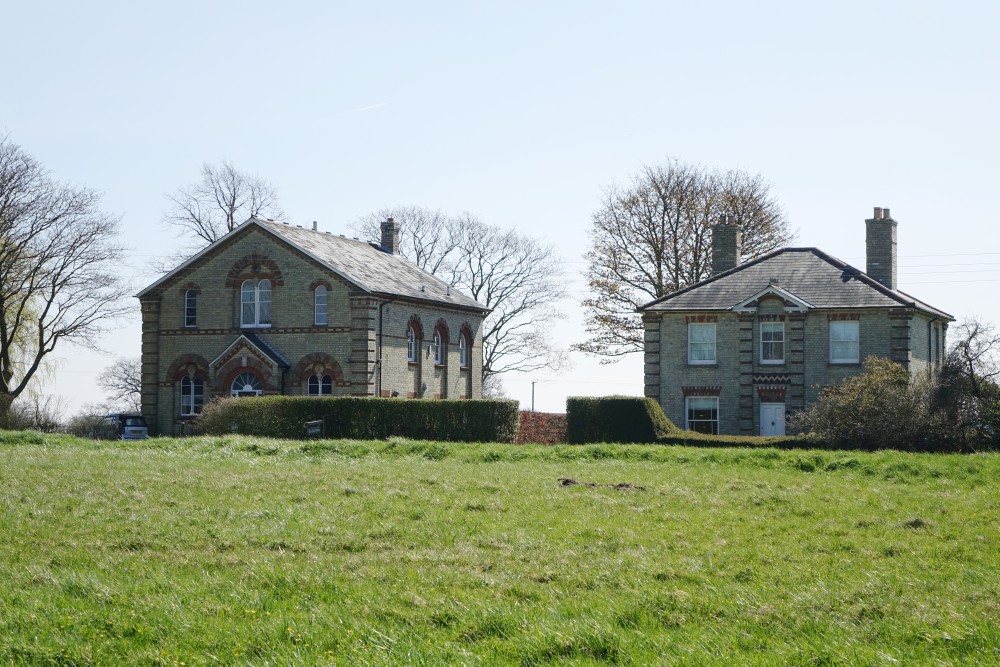
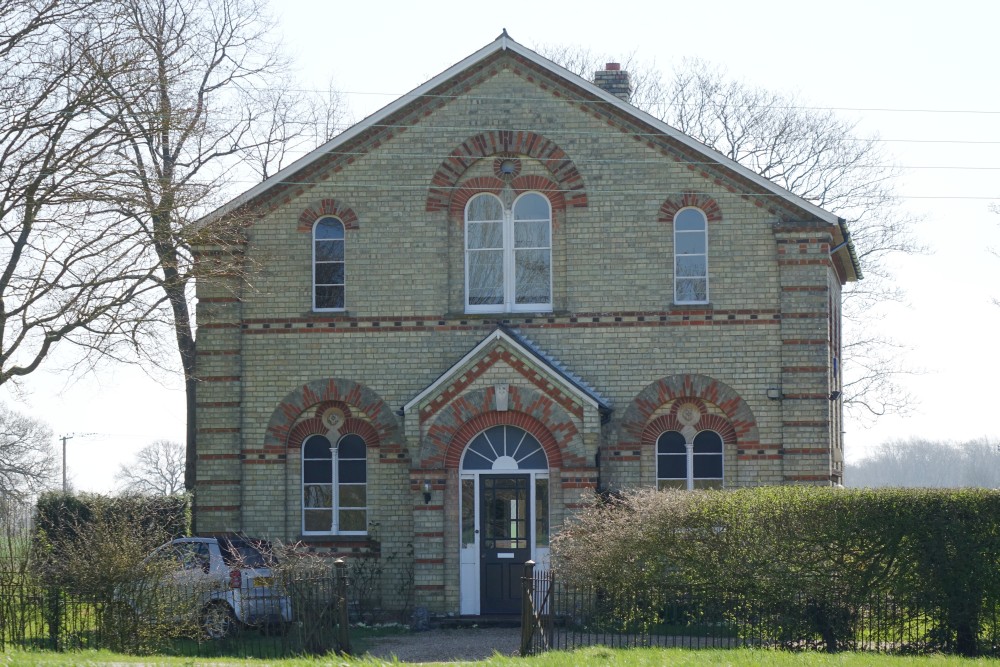
At western end, with its former manse, of this large green, one of several in the large spread-out village of Sandon. It was built in 1868 and is now housing, having closed in 1986.
 |
 |
 |
 |
 |
 |
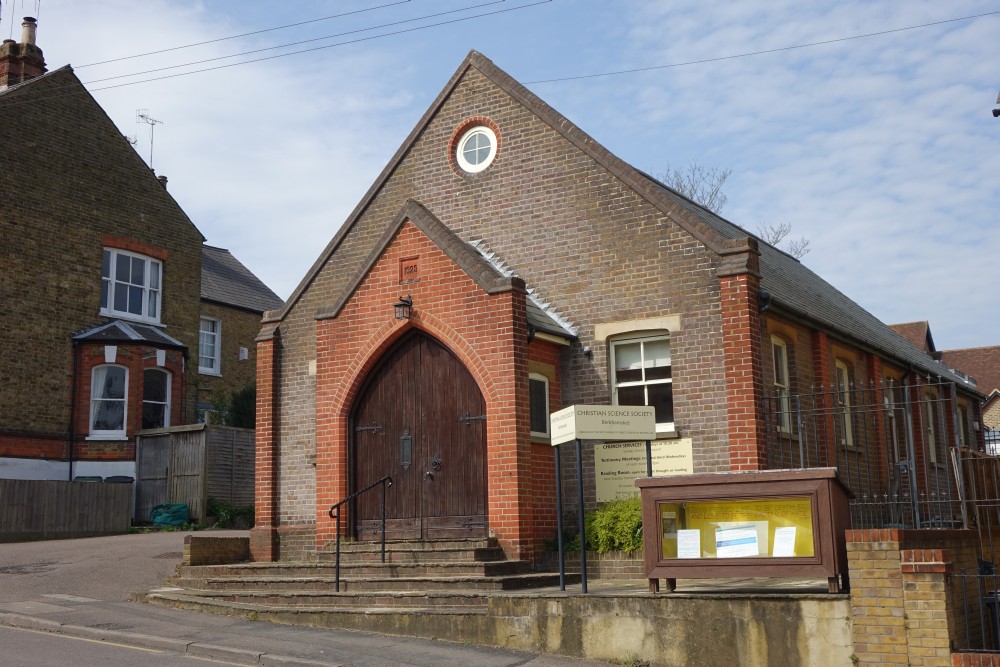
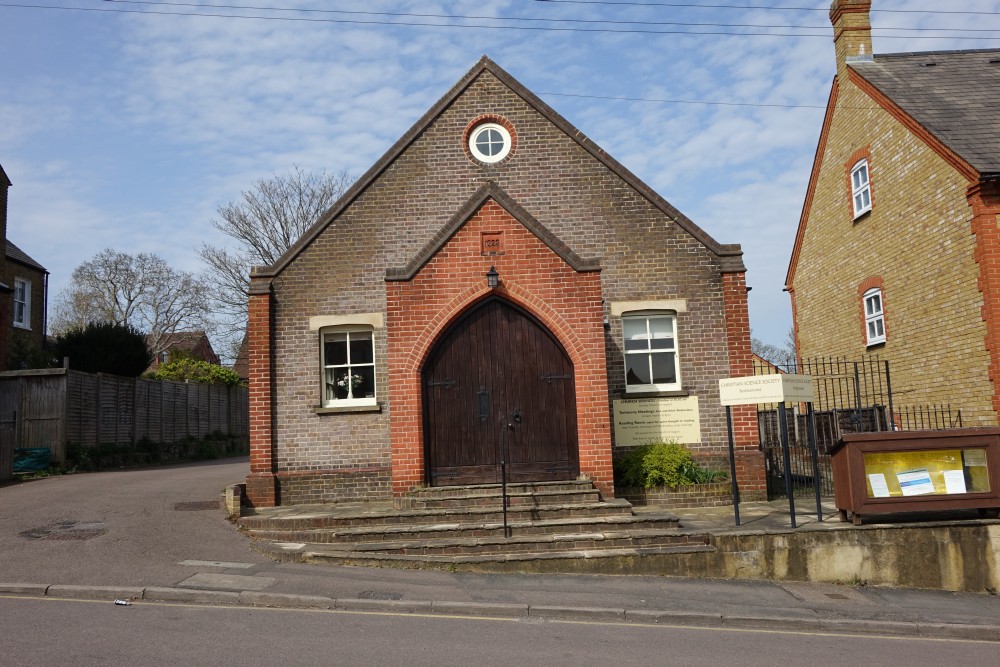
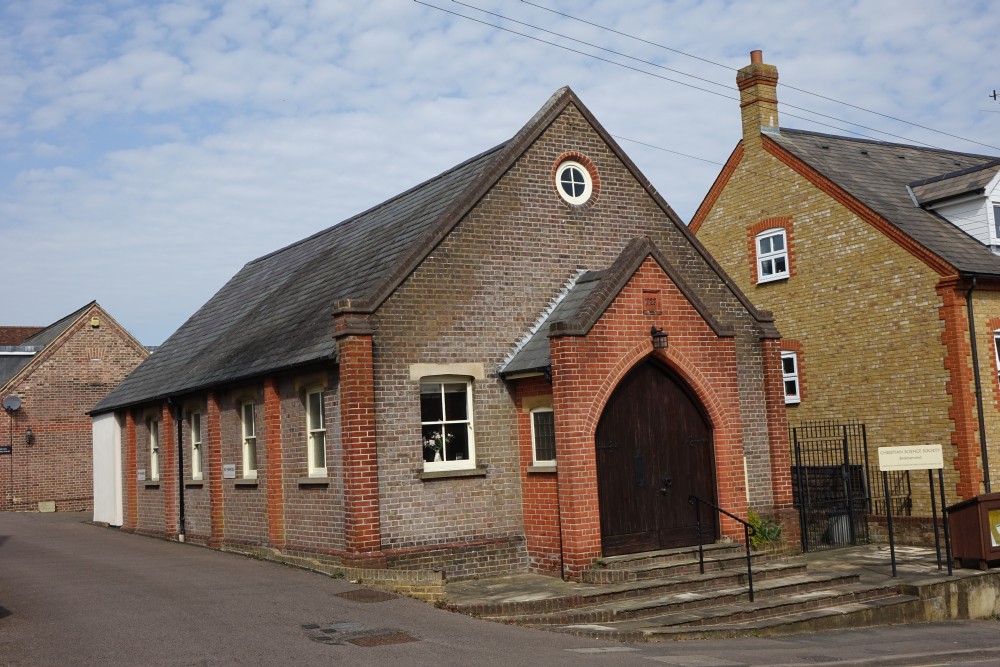
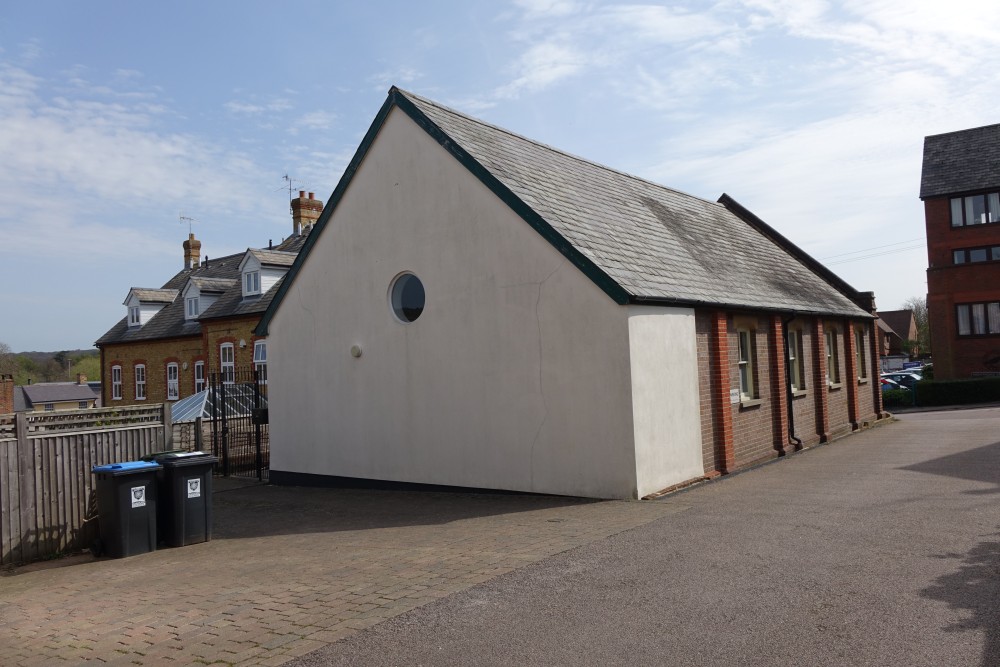
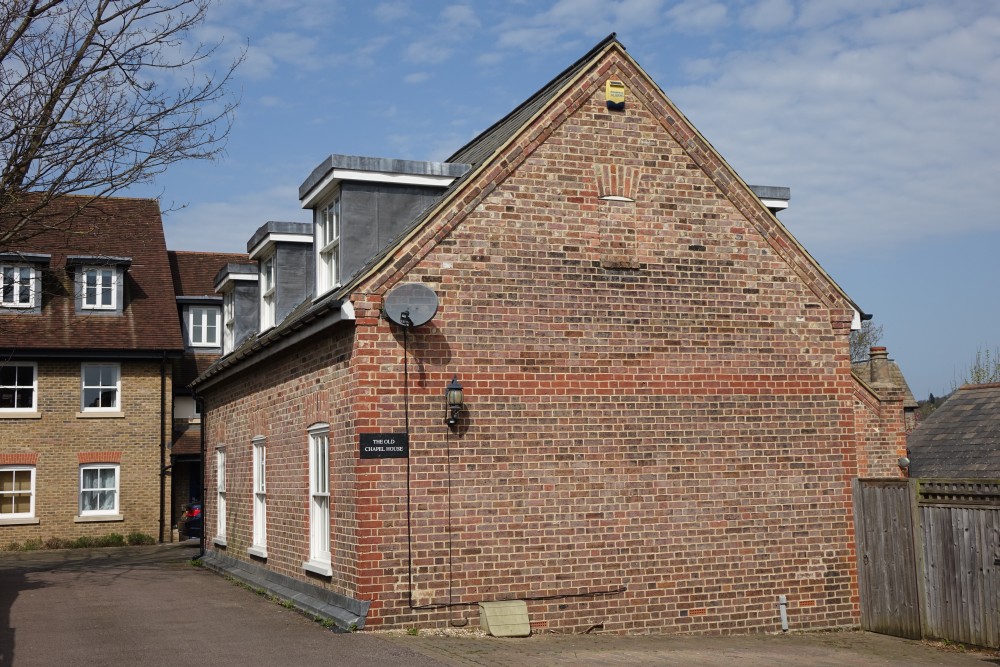
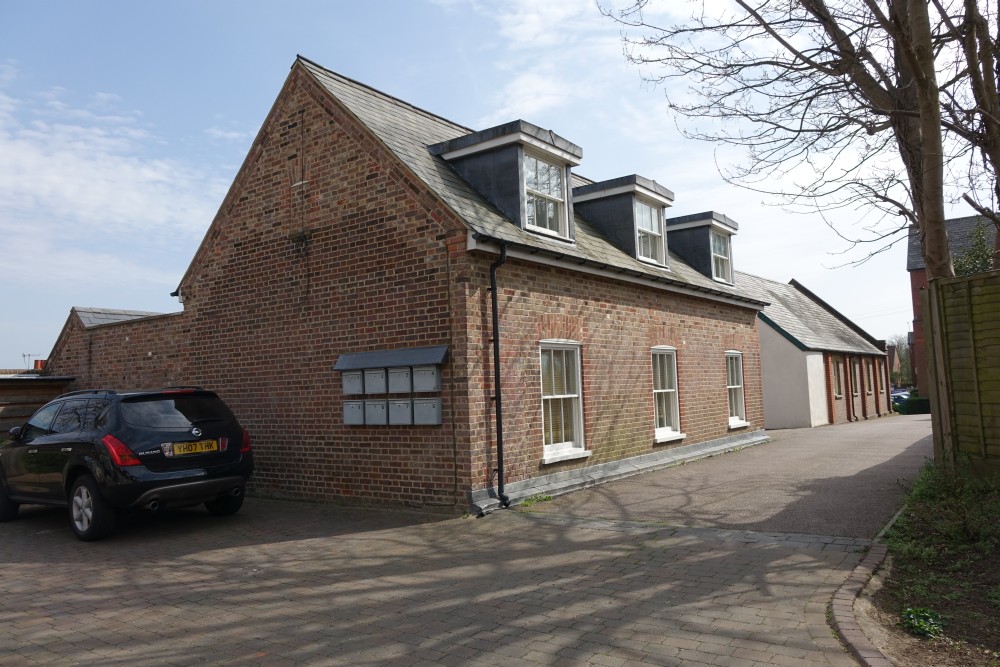
Weslyan Methodist Chapel (former), Cowper Road, Berkhamsted
Now the Christian Science building. The church closed in 1956. The school building behind it is now housing.
 |
 |
 |
 |
 |
 |
 |
|
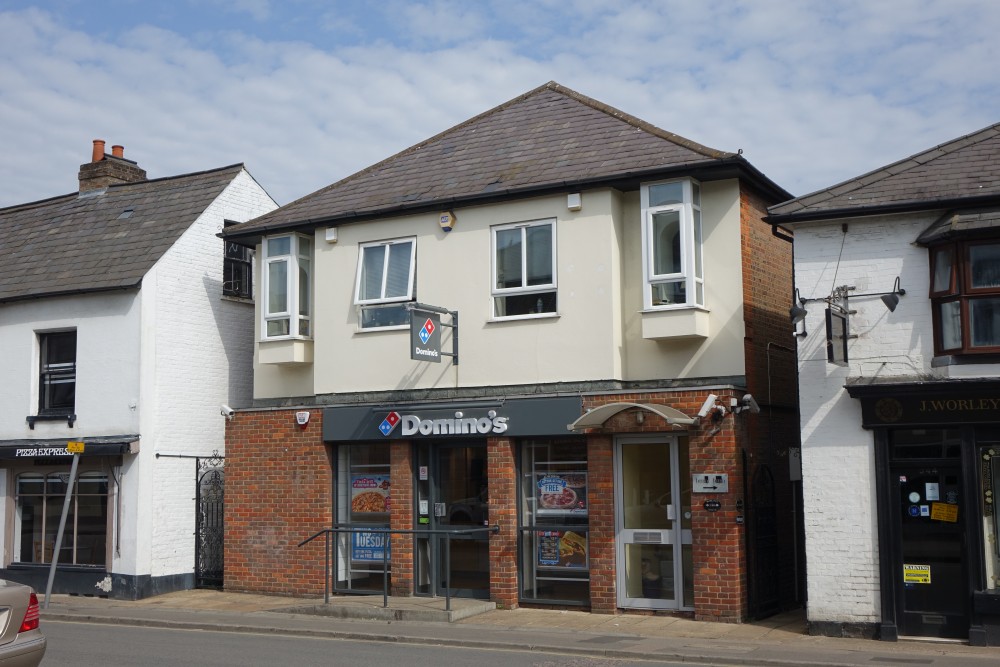
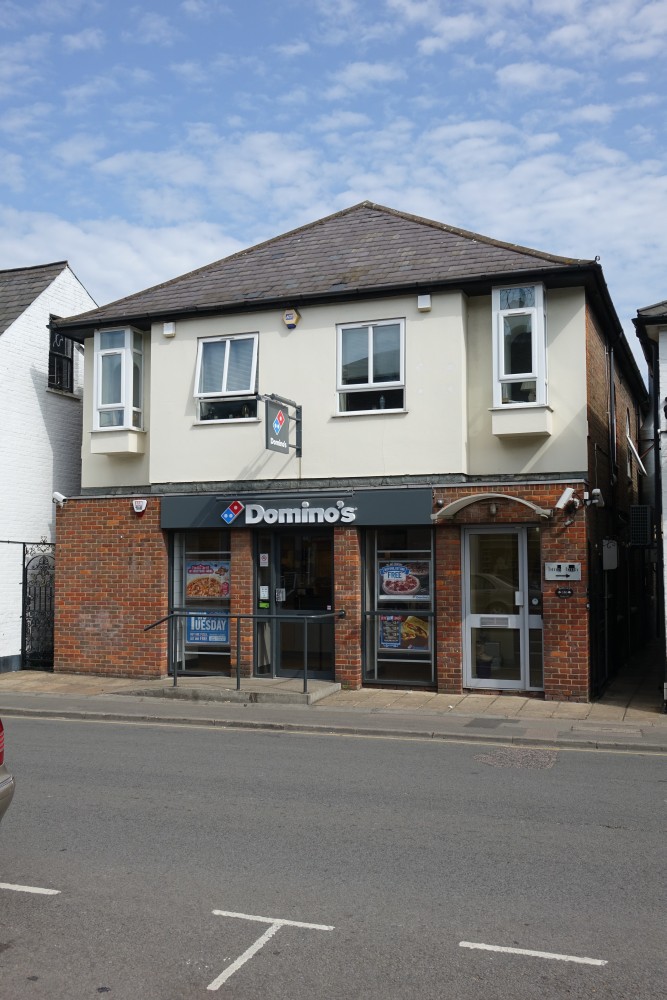
Primitive Methodist (former), High Street, Berkhamsted
Now Dominos Pizza and hardly recognisable as a chapel of 1867, it was converted into offices in the 1970s and flats and retail premises in 2004. Large arched windows are just visible at the side of the building.
 |
 |


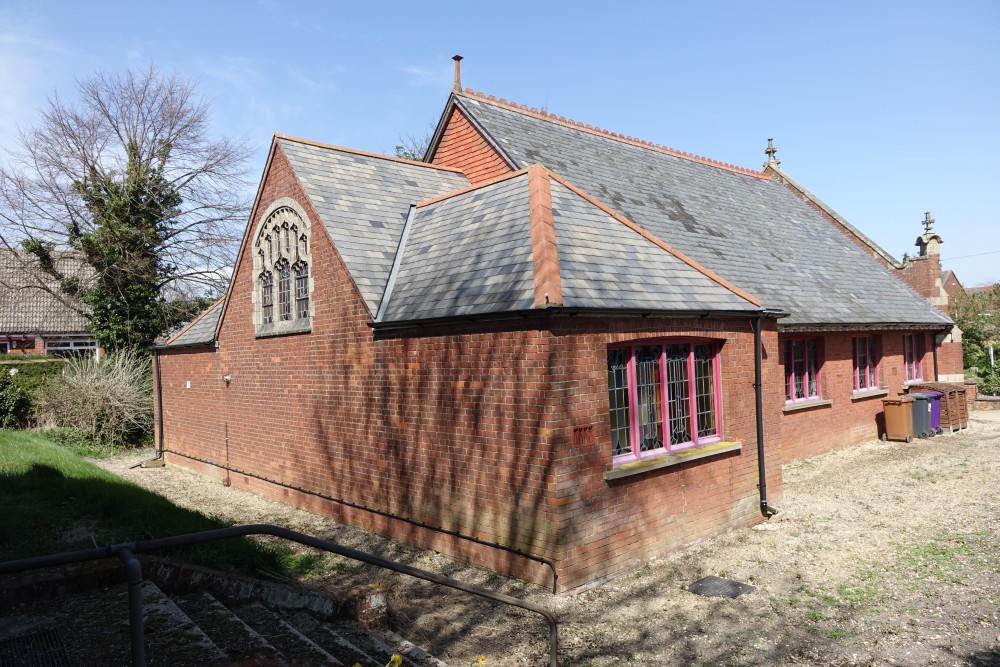
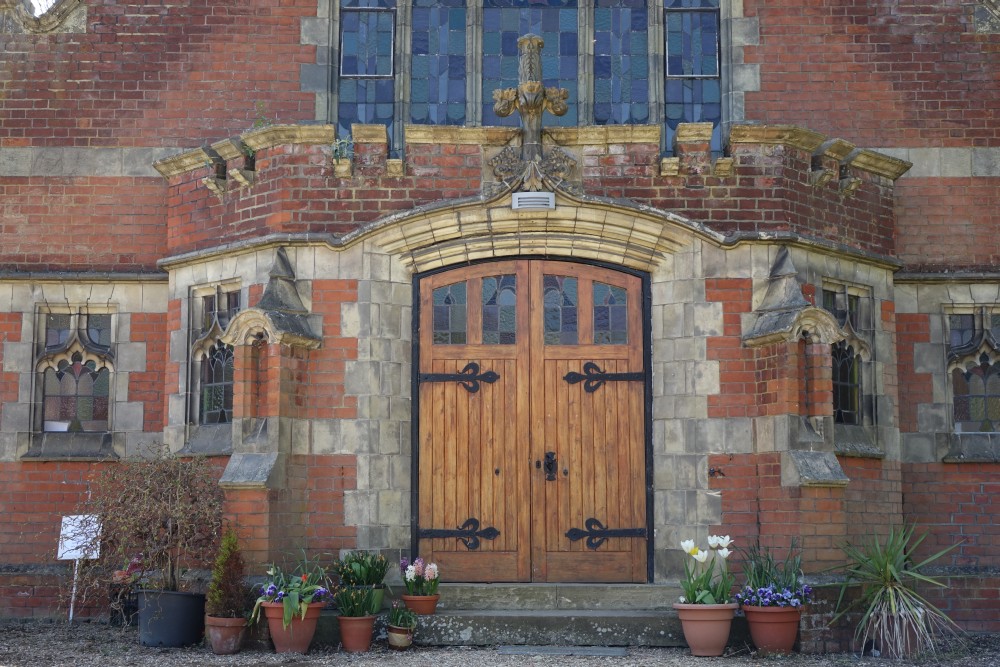
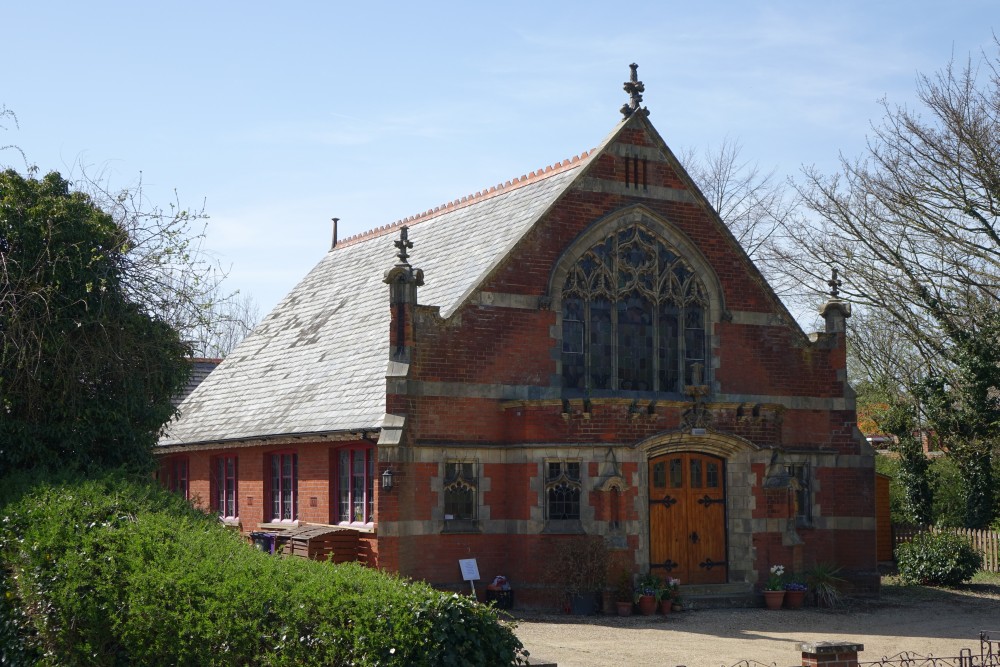
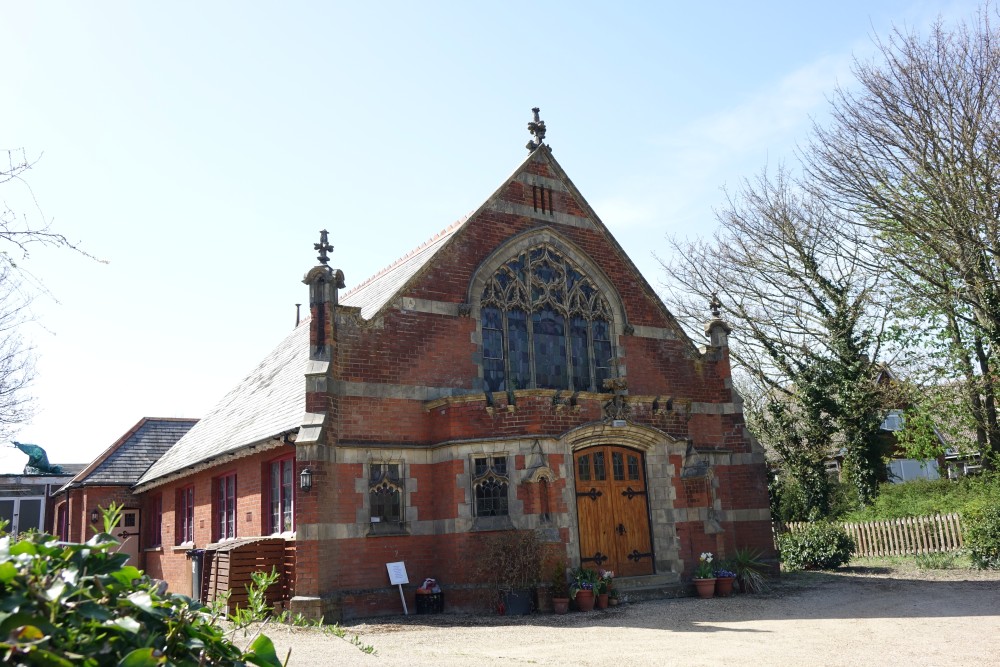
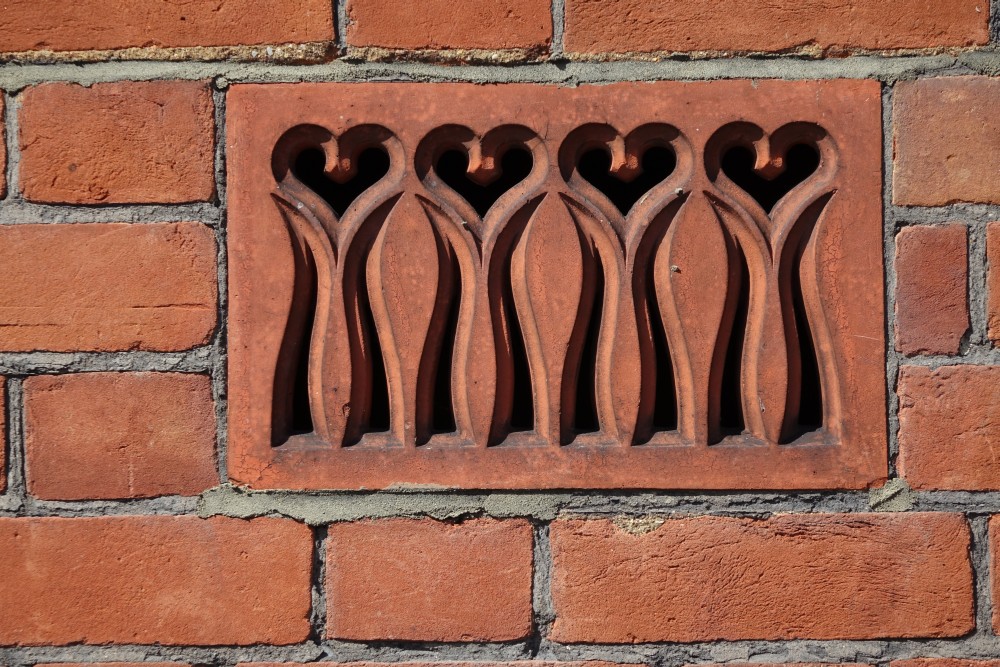
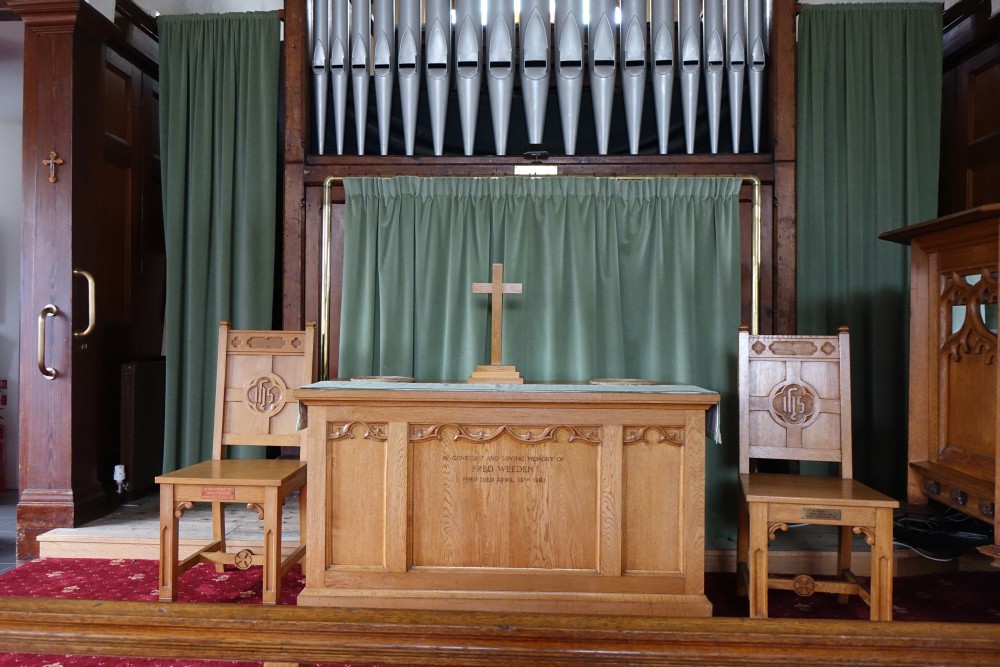
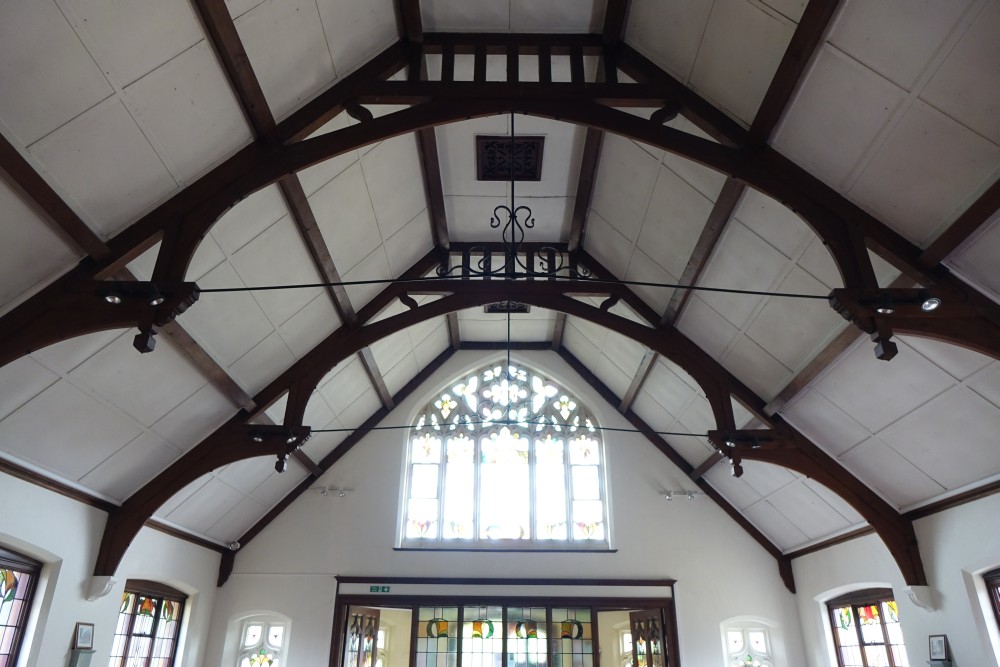
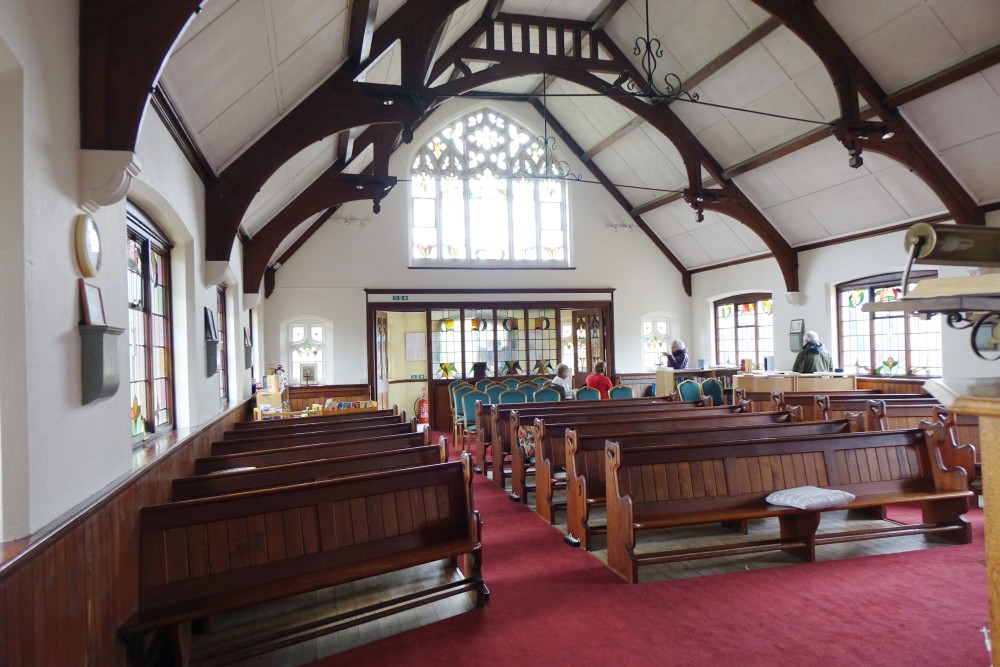
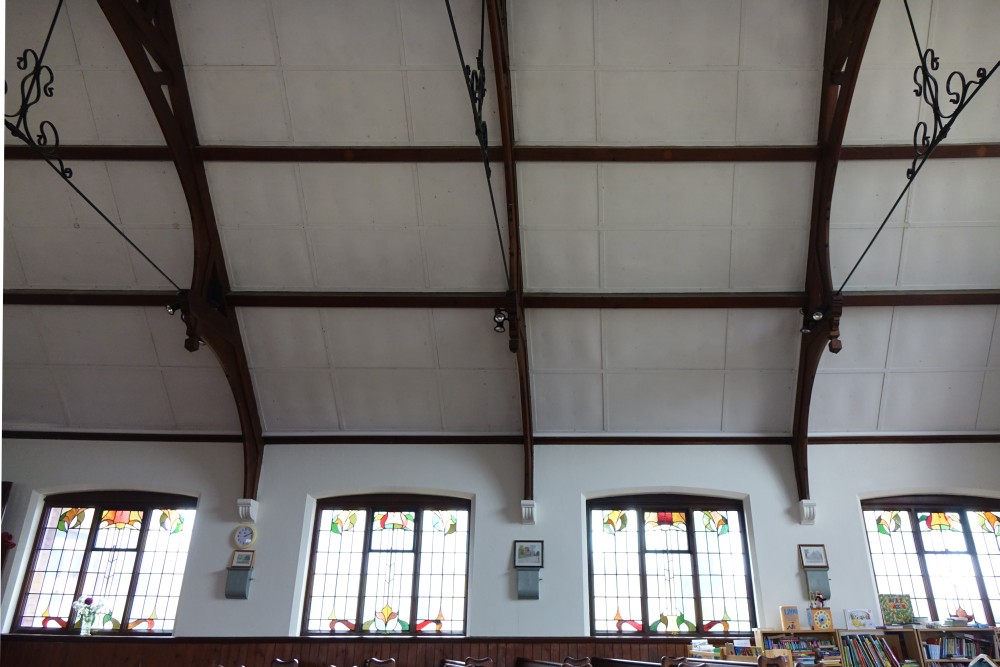
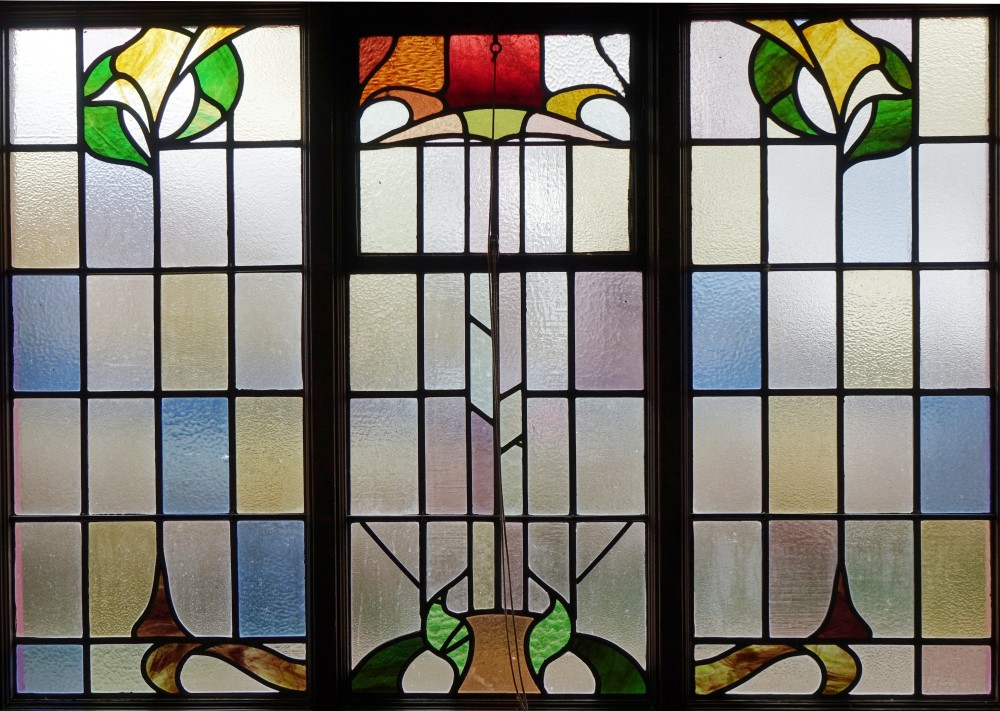
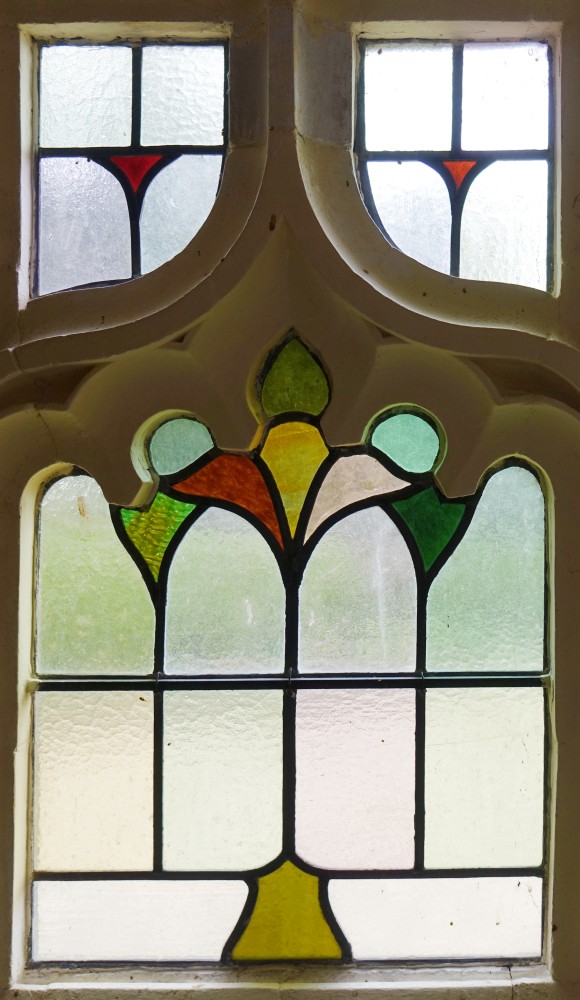
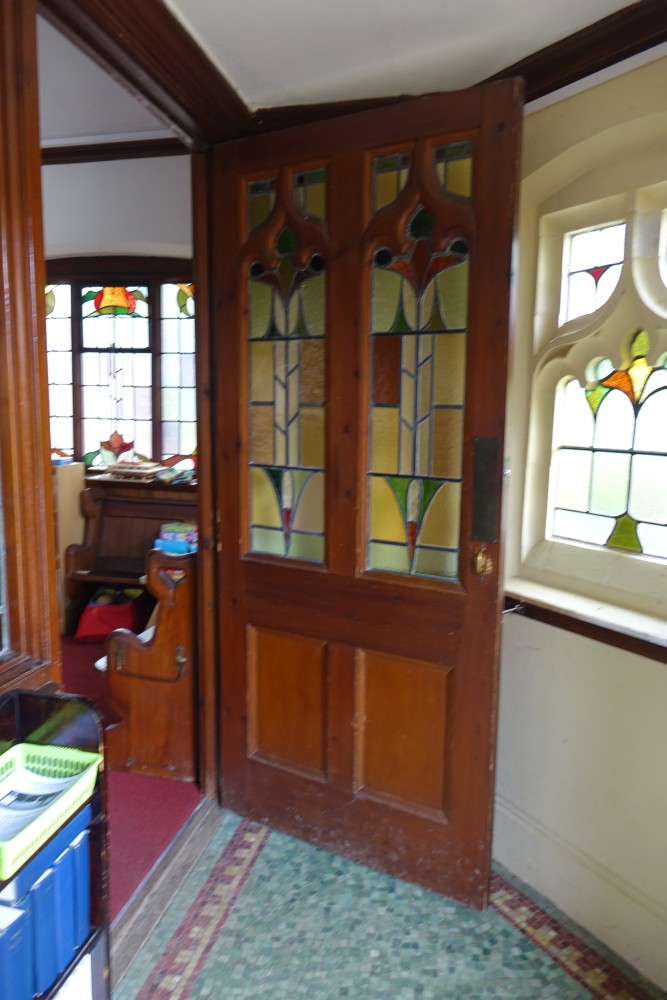
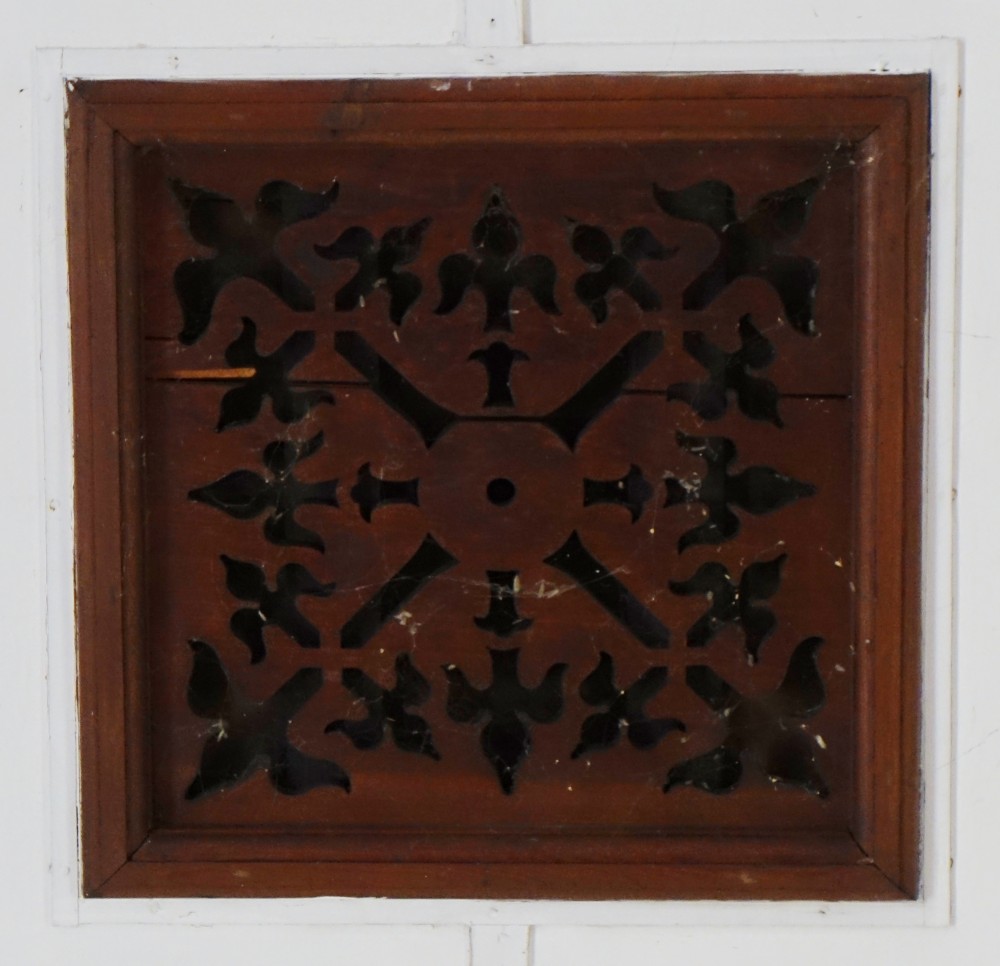

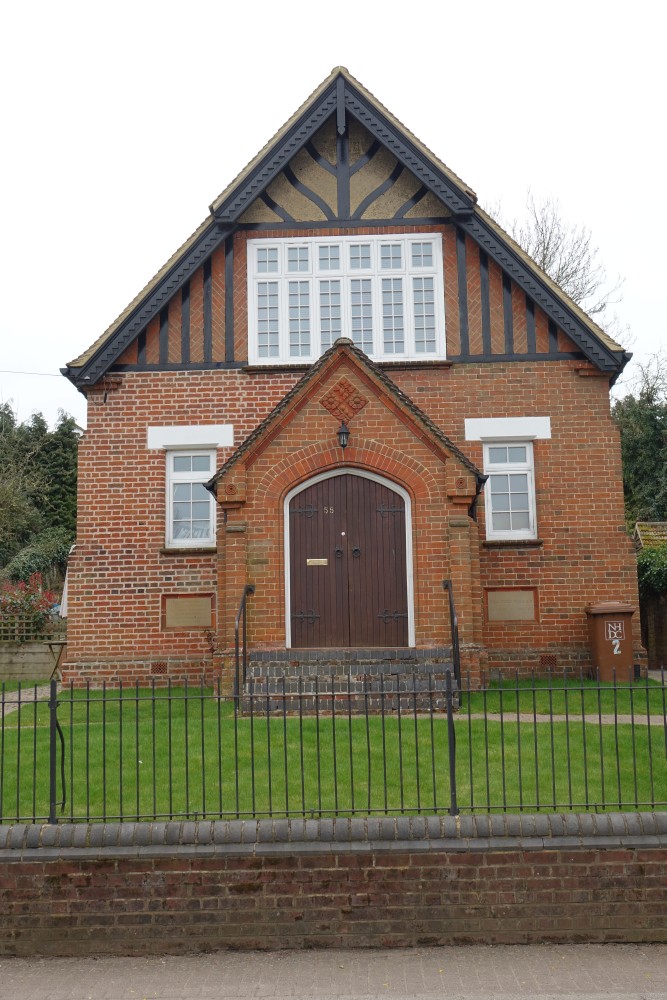
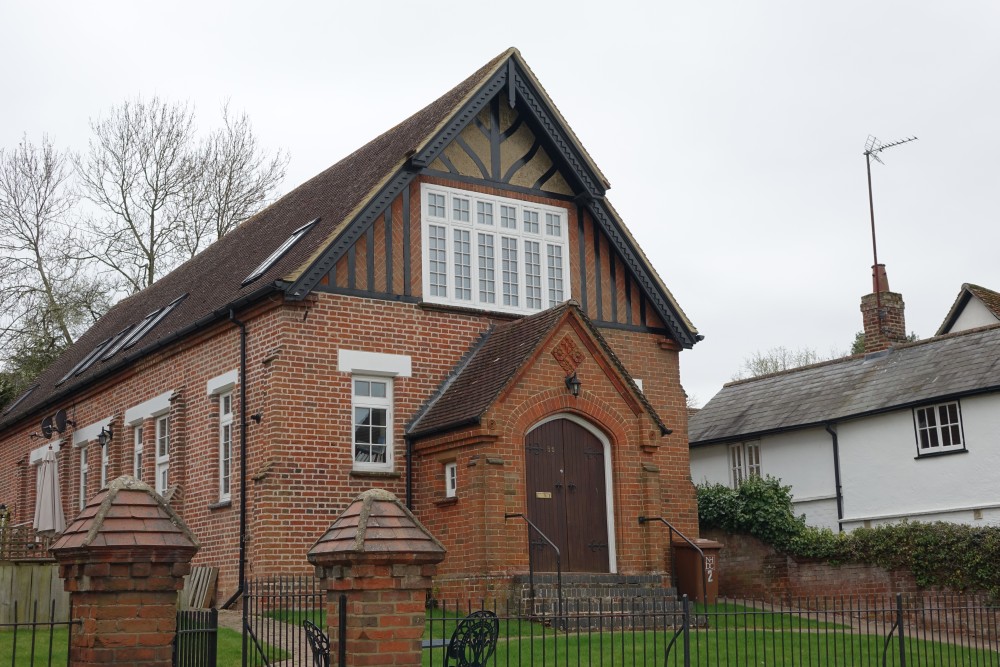
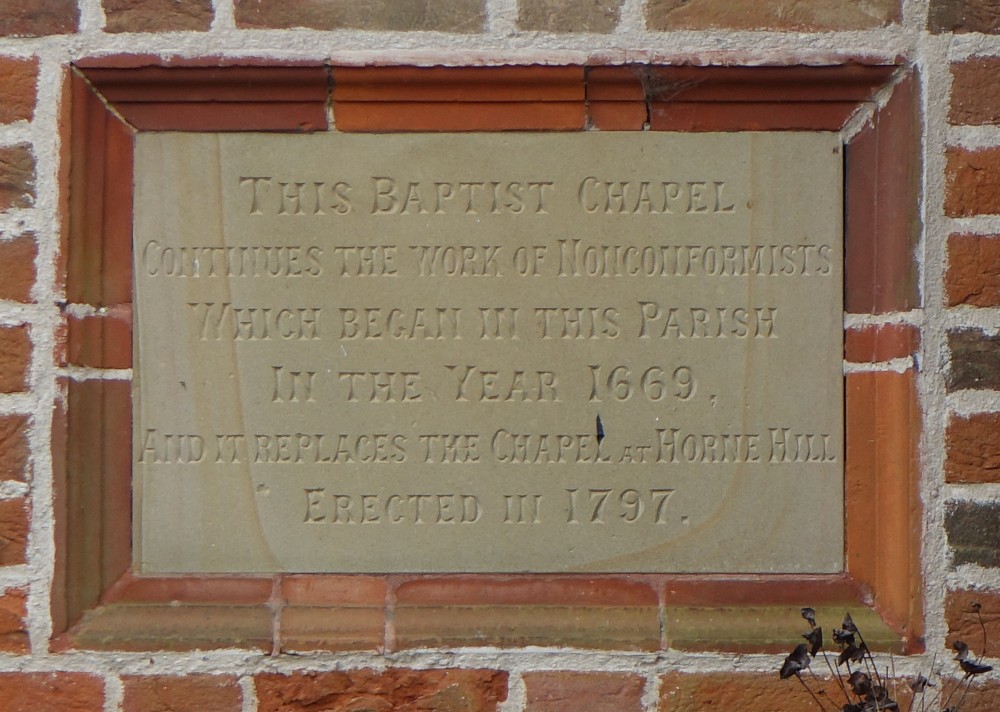
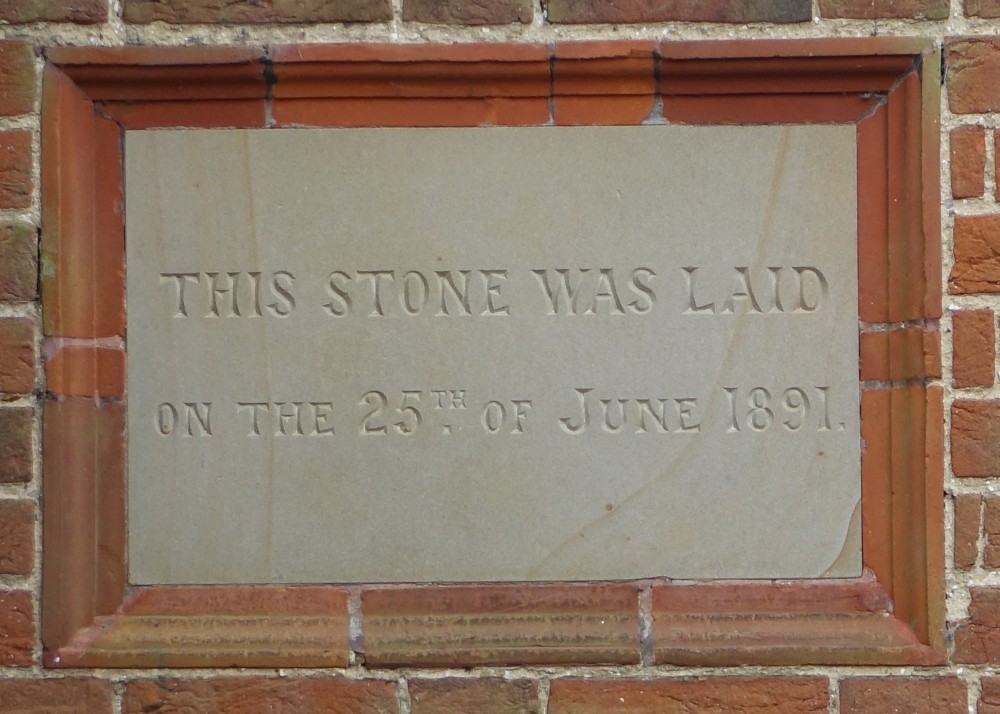
Baptist Church (former), High Street, Whitwell
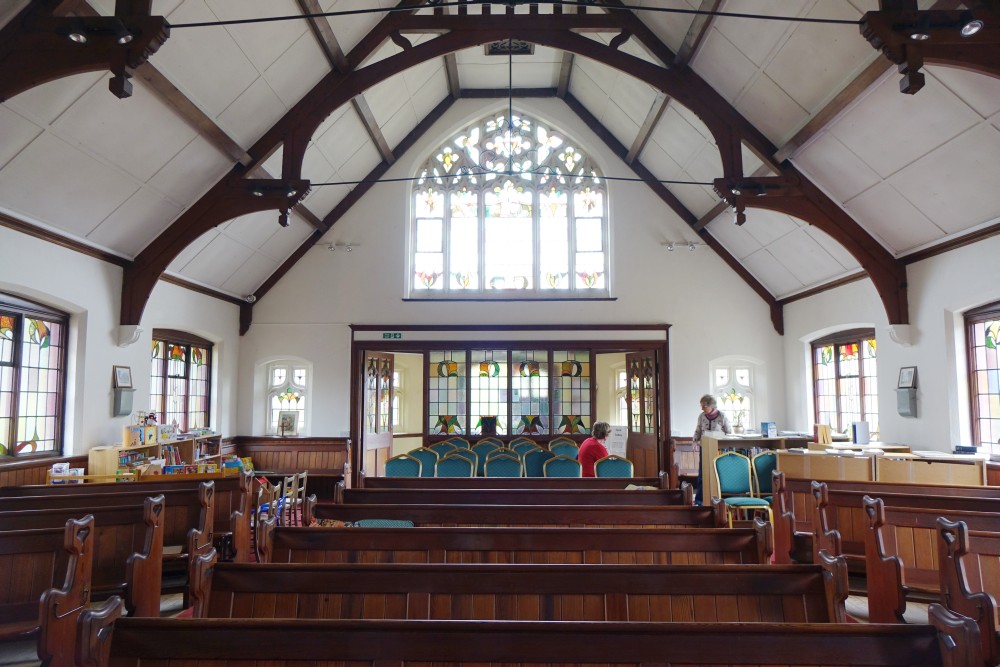
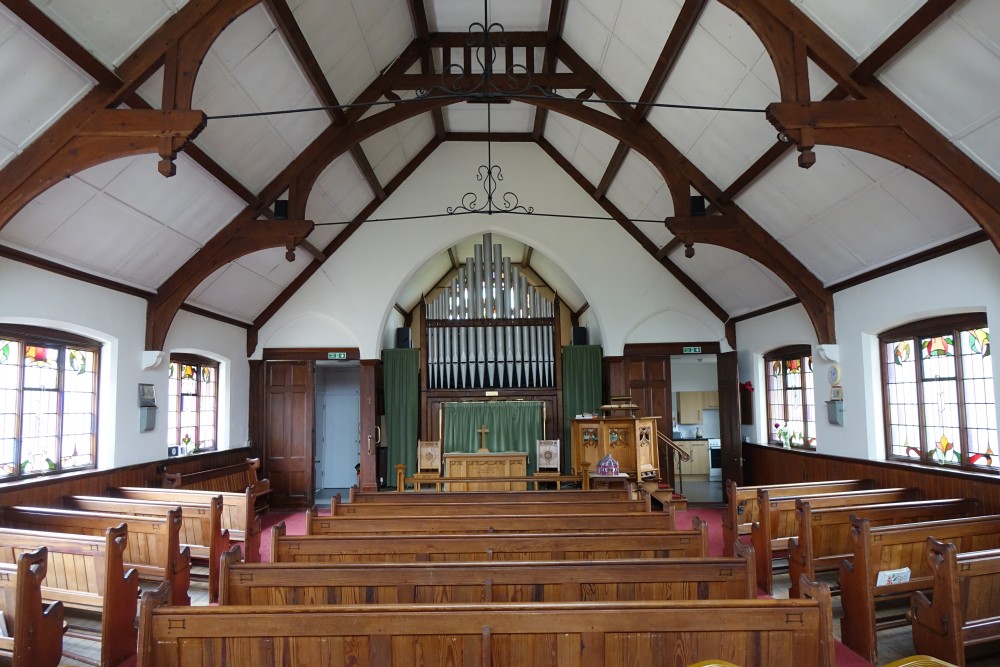
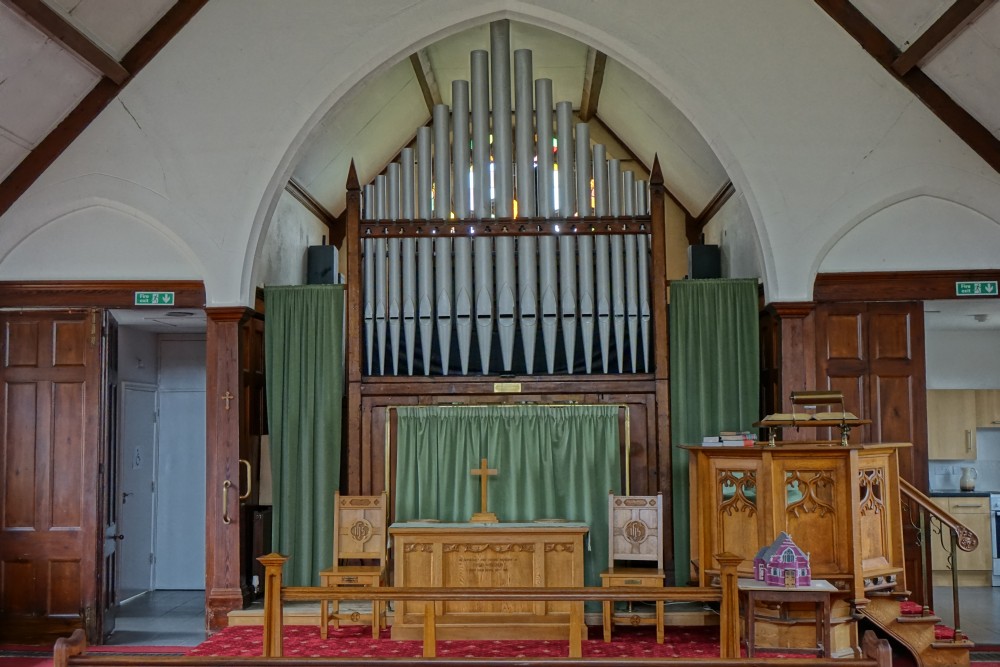
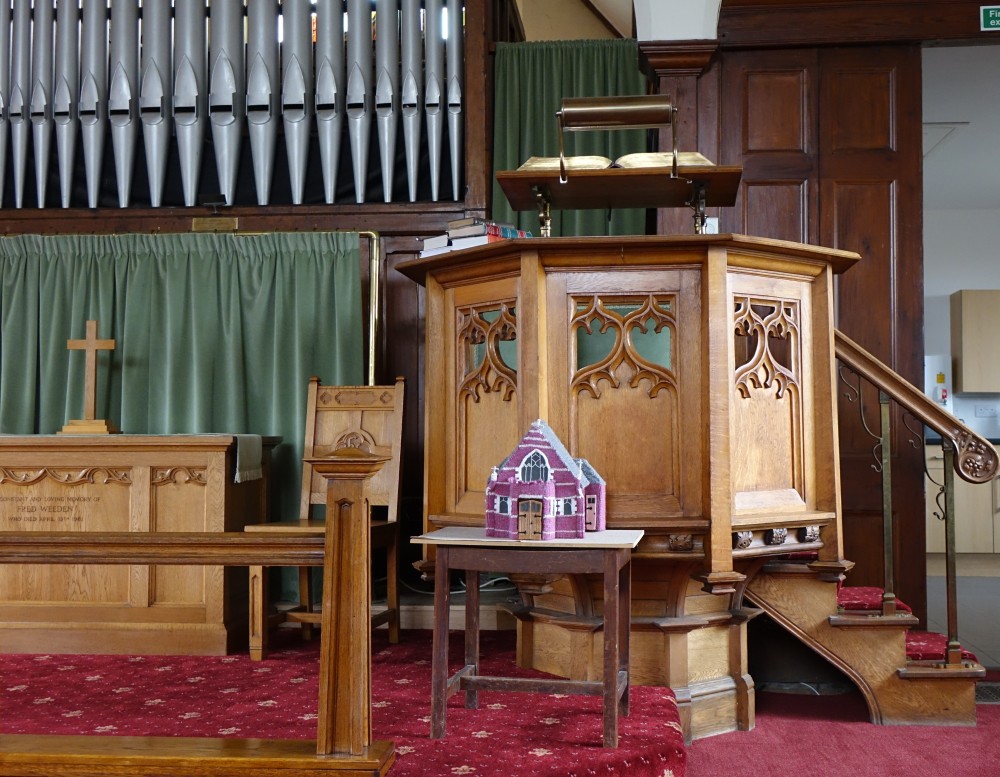
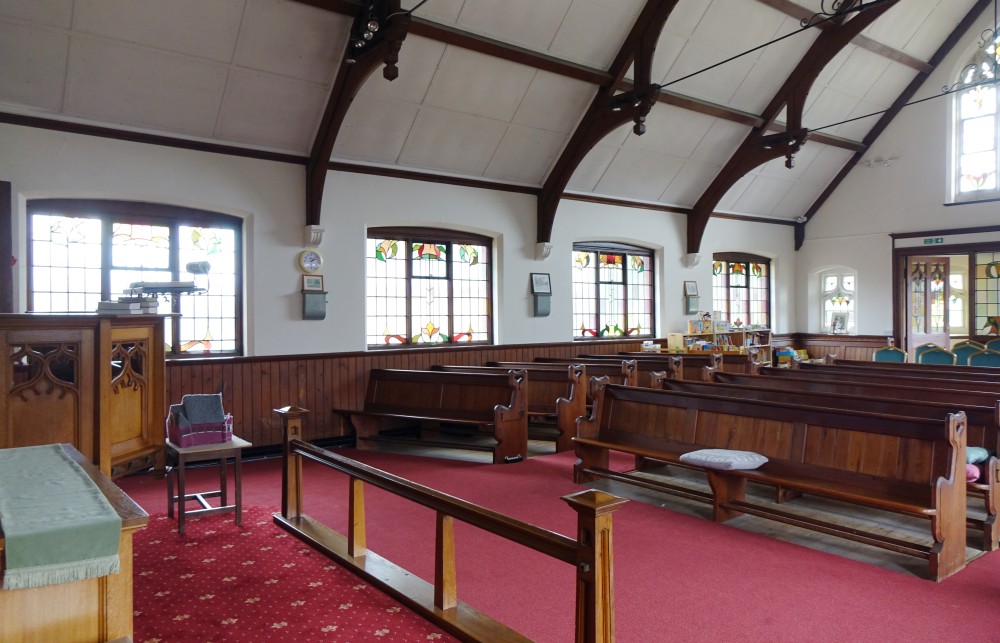
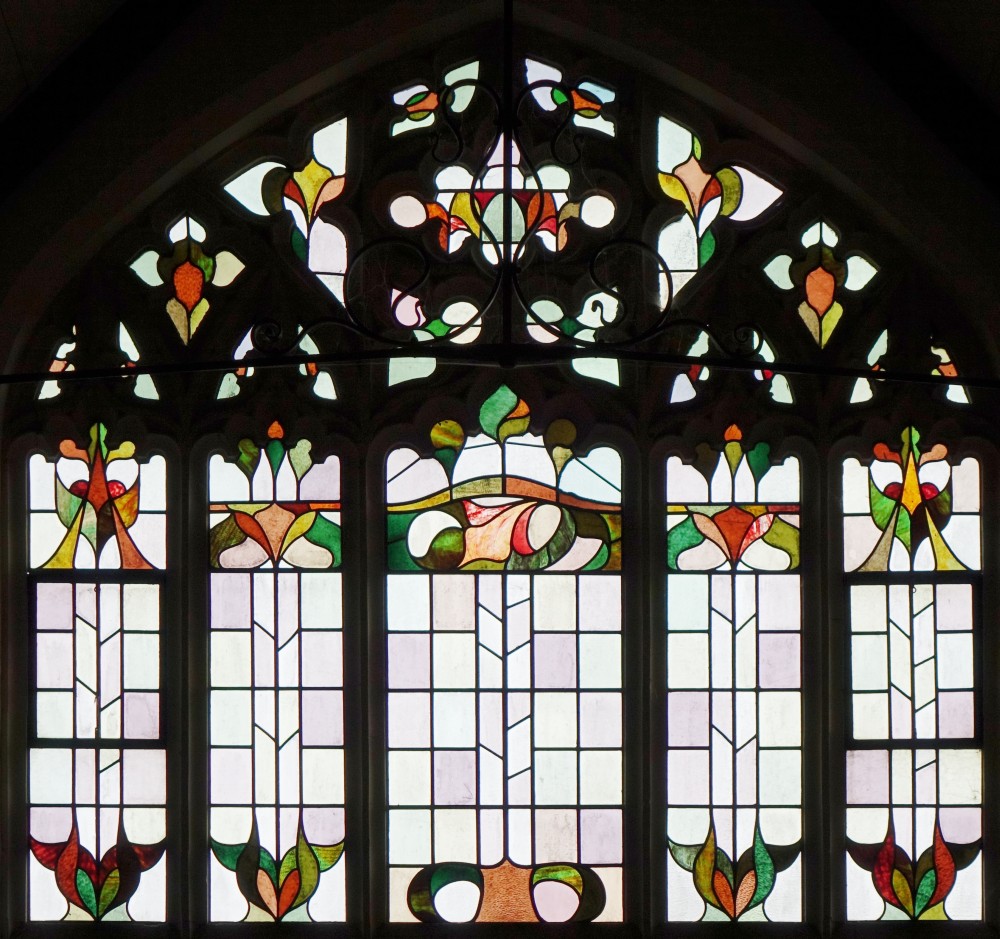
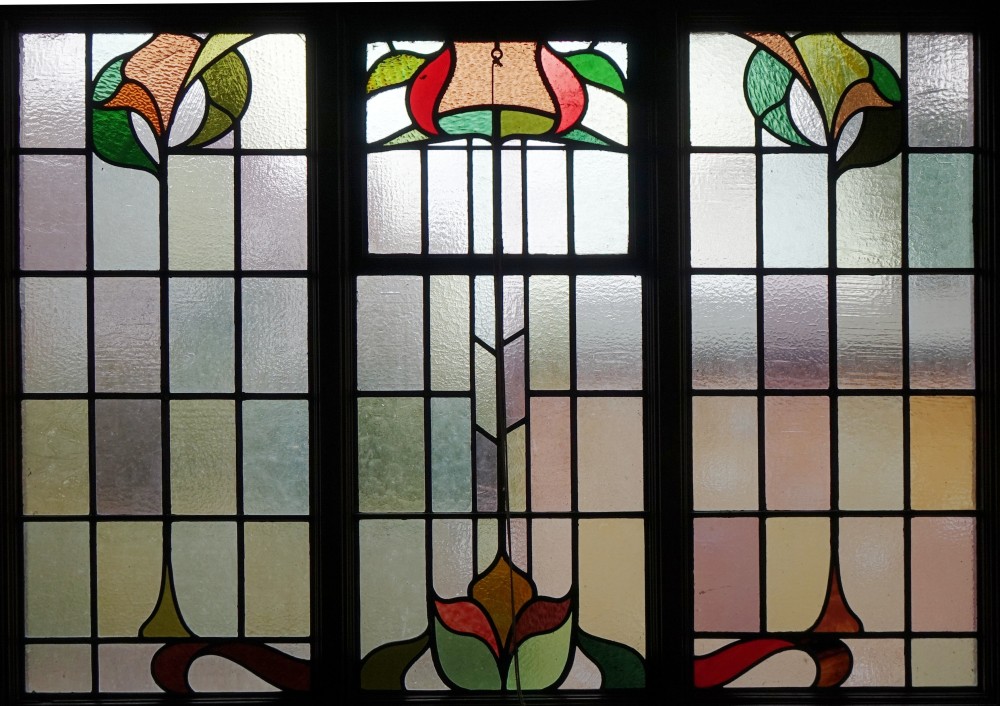
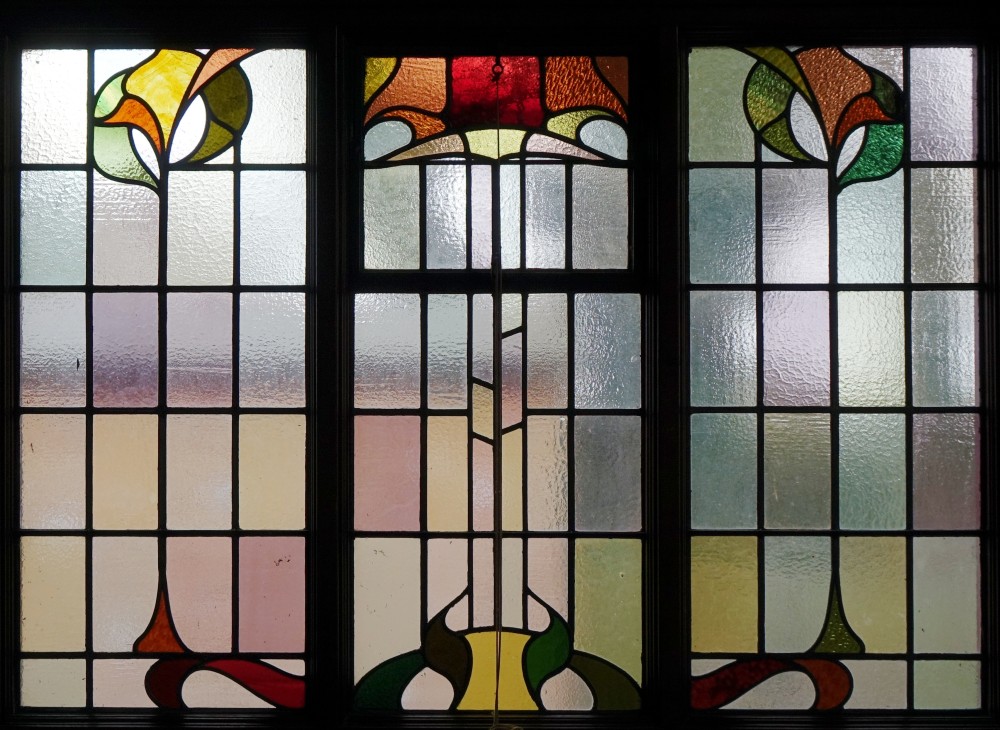
In the centre of the hamlet, built in 1891 and now converted to housing.
 |
 |
 |
 |
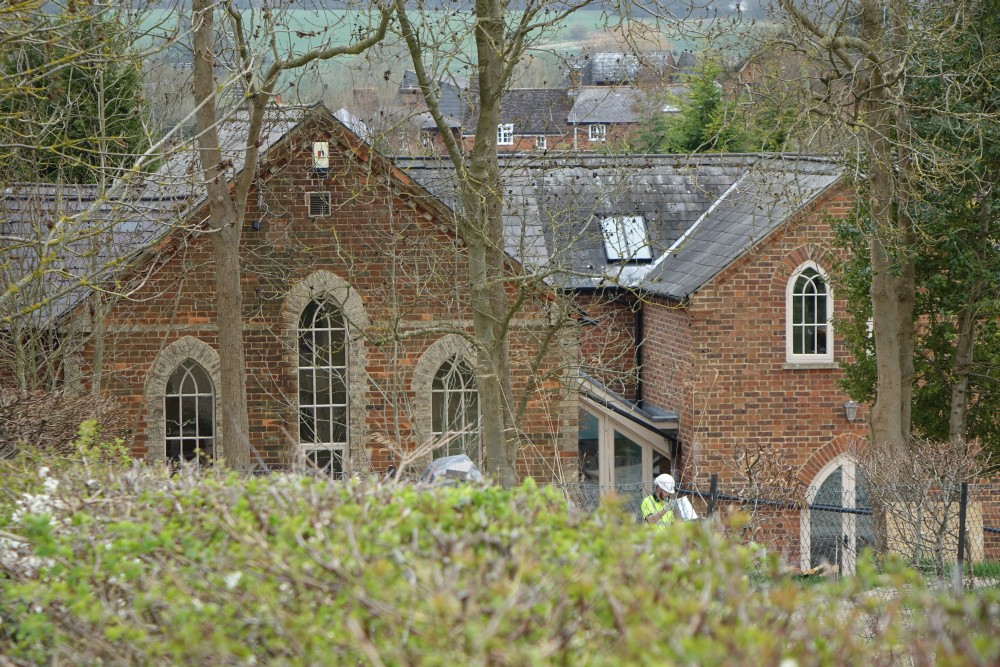
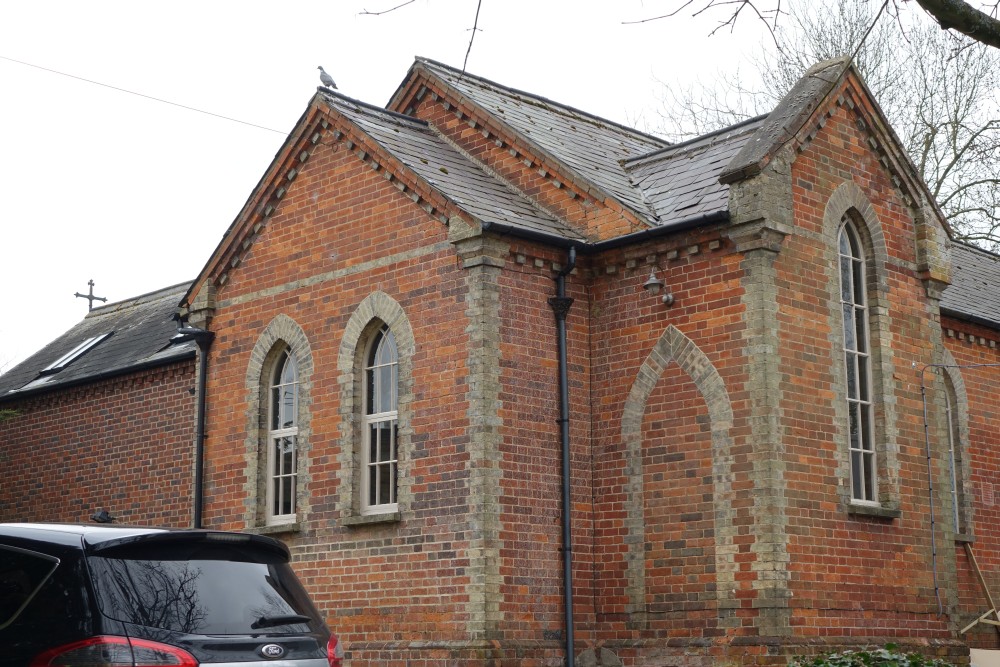
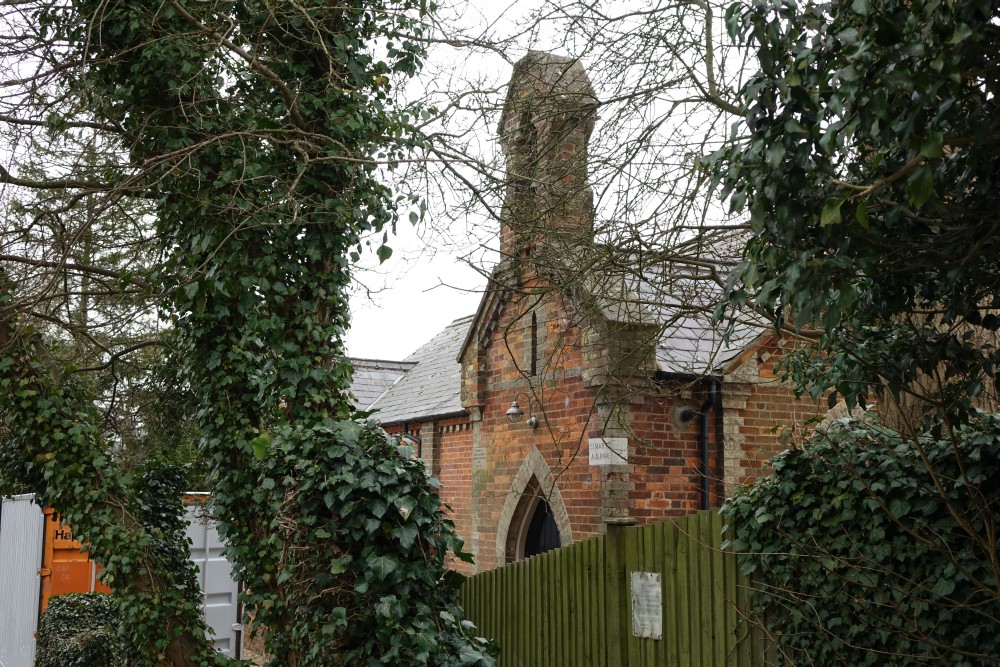
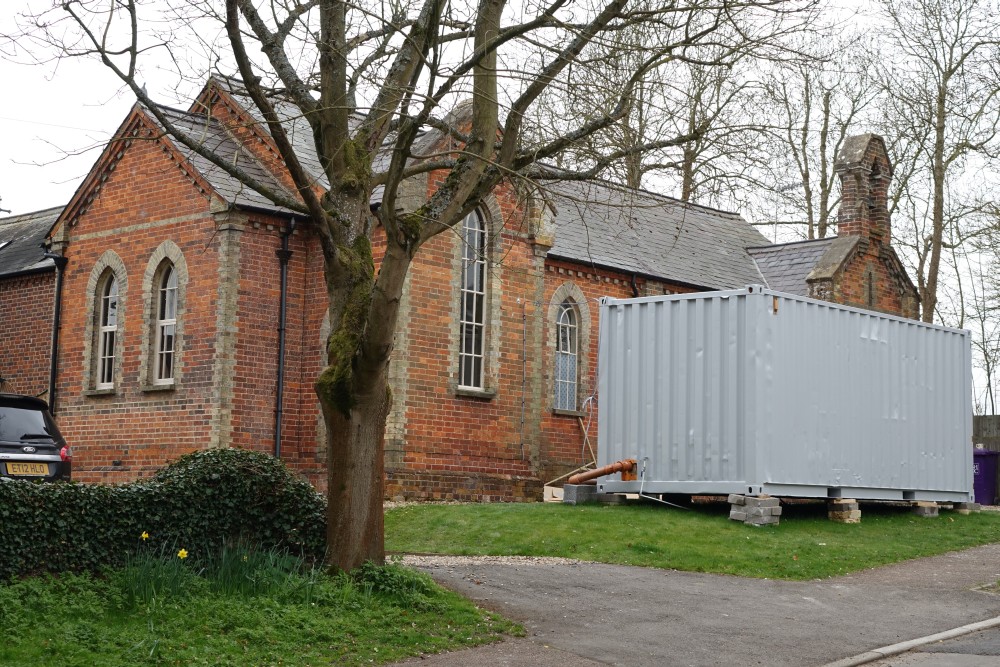
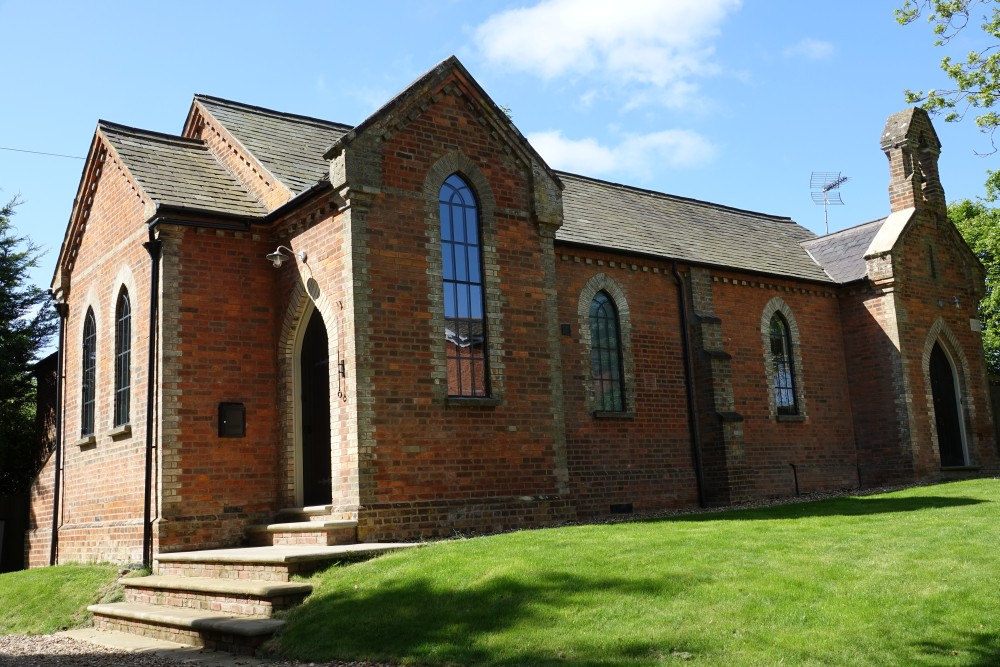
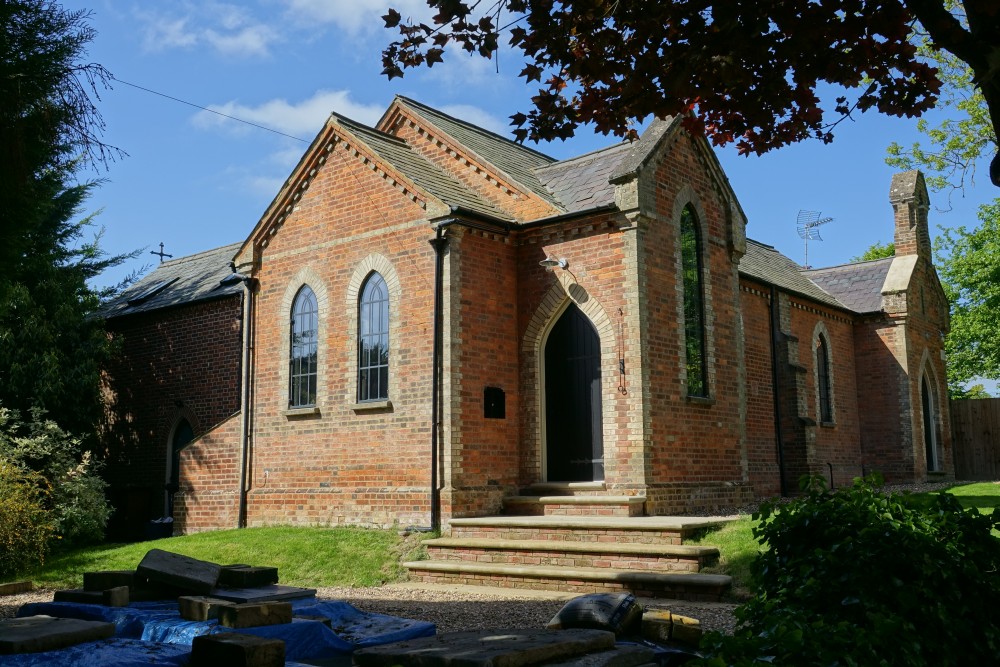
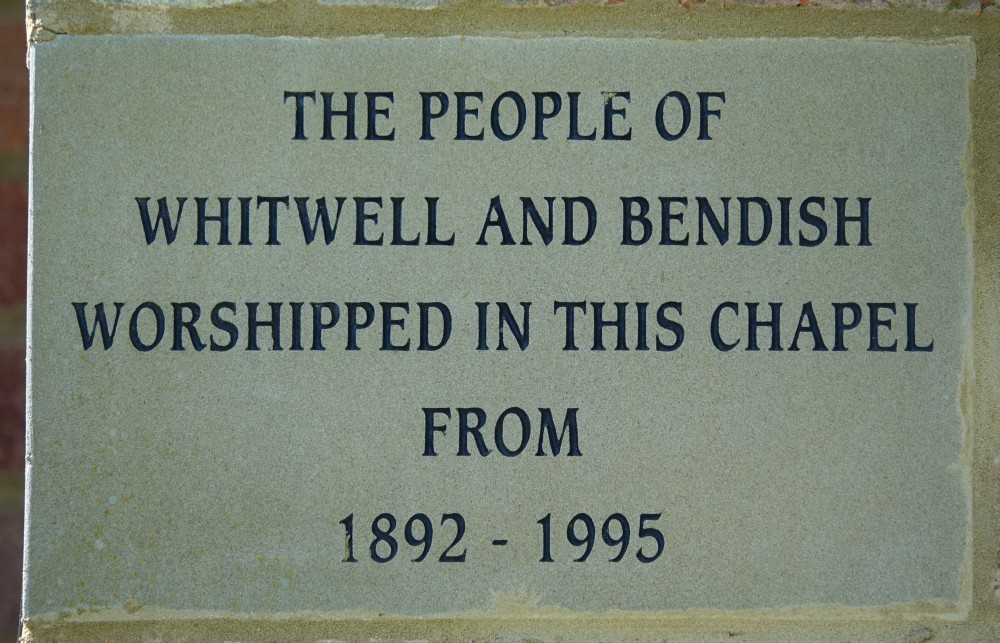
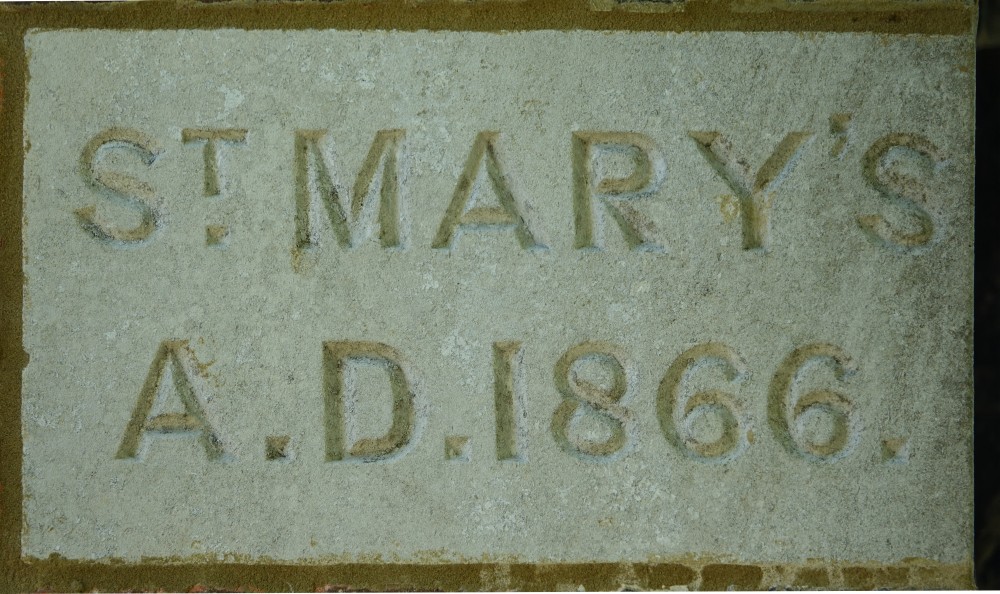
St Mary’s Chapel (former), Bendish Lane, Whitwell
At the western end of the largest of several hamlets in the area. It is now housing and in April 2015 was undergoing extension. The final four images are from May 2018 after this work had been completed. It appears to have belonged to the Countess of Huntingdon’s Connexion according to the Victoria County History but later became a church of the Free Church of England which had its origins in that Connexion. It was originally built in the 1820s and extended in 1866.
 |
 |
 |
 |
 |
 |
 |
 |
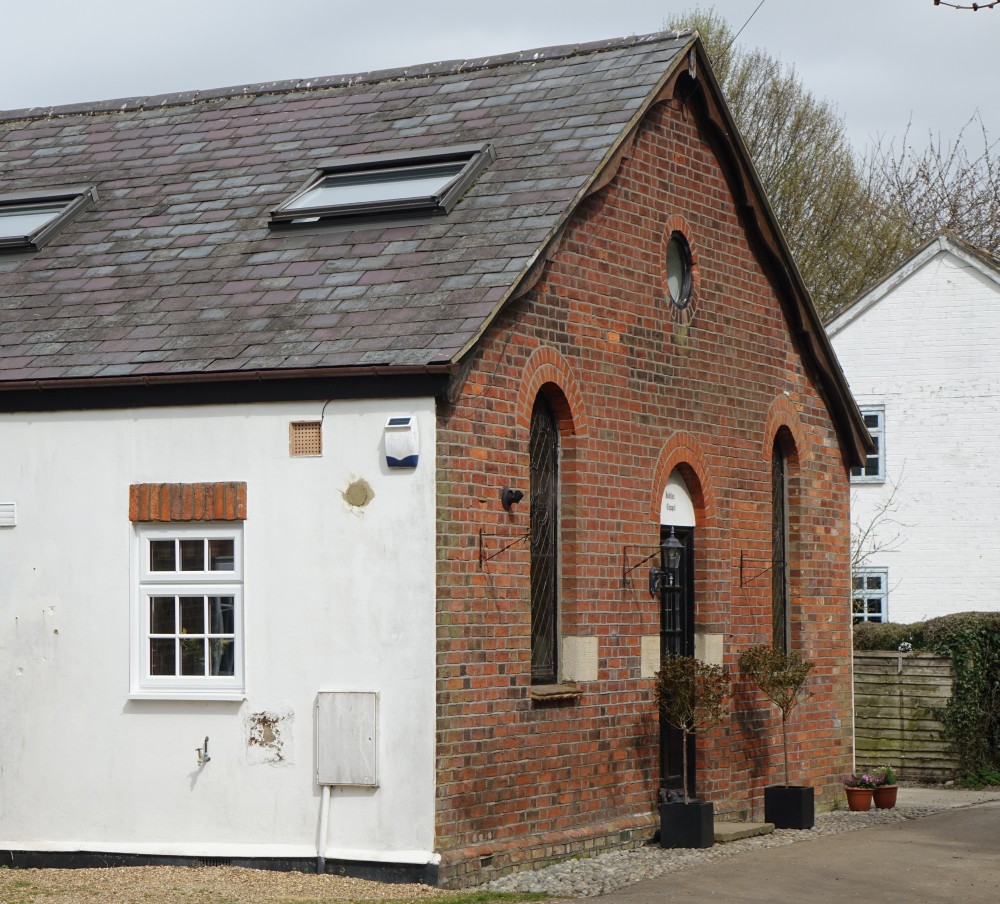
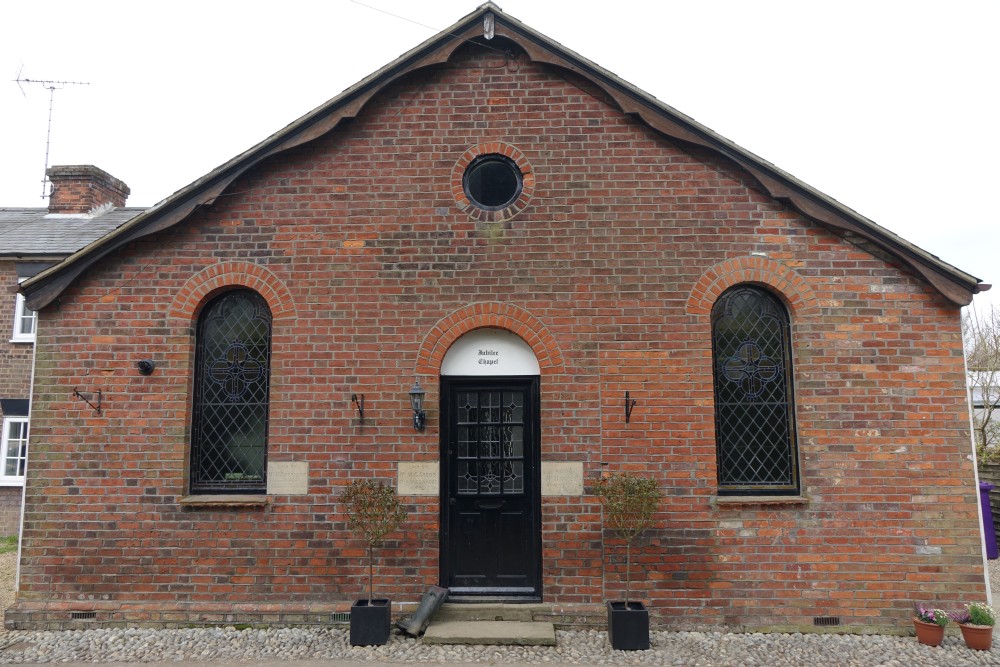
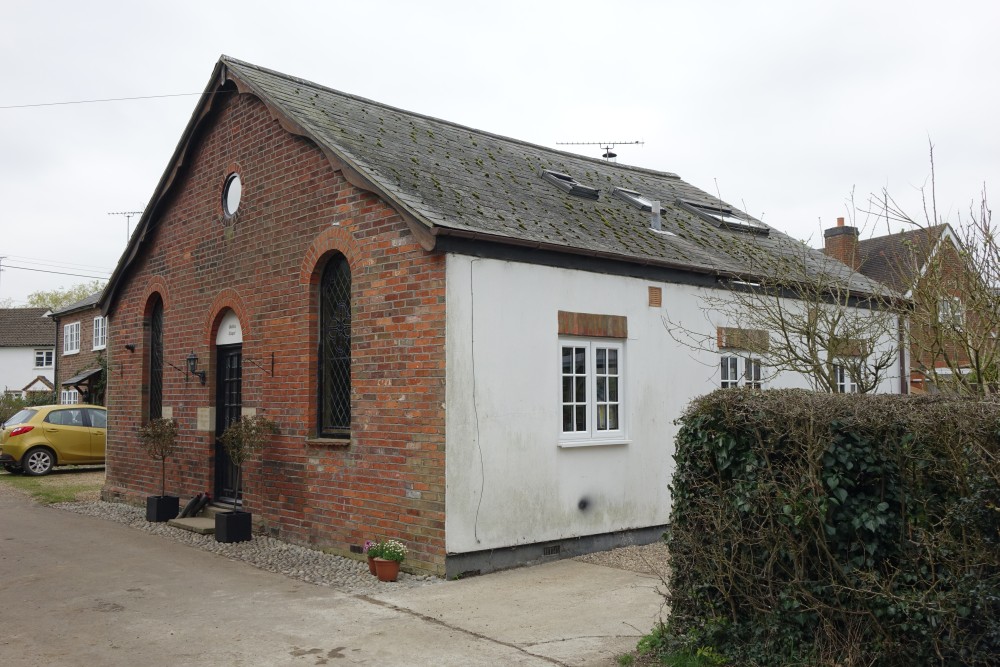
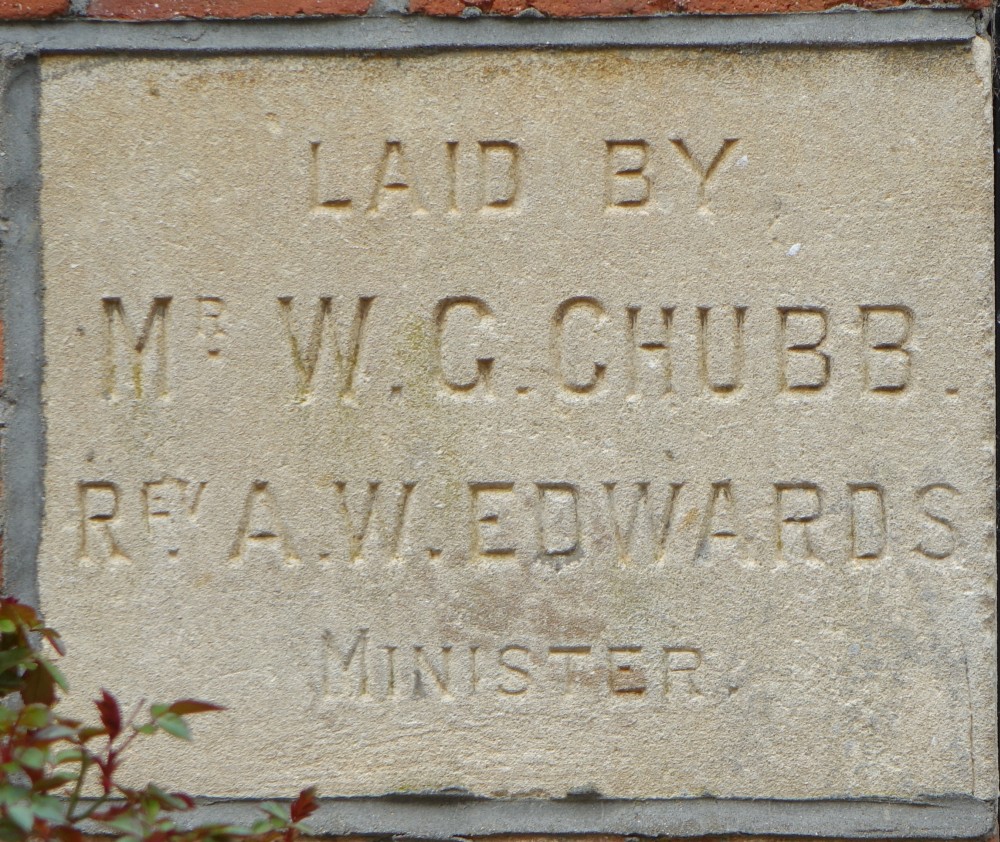
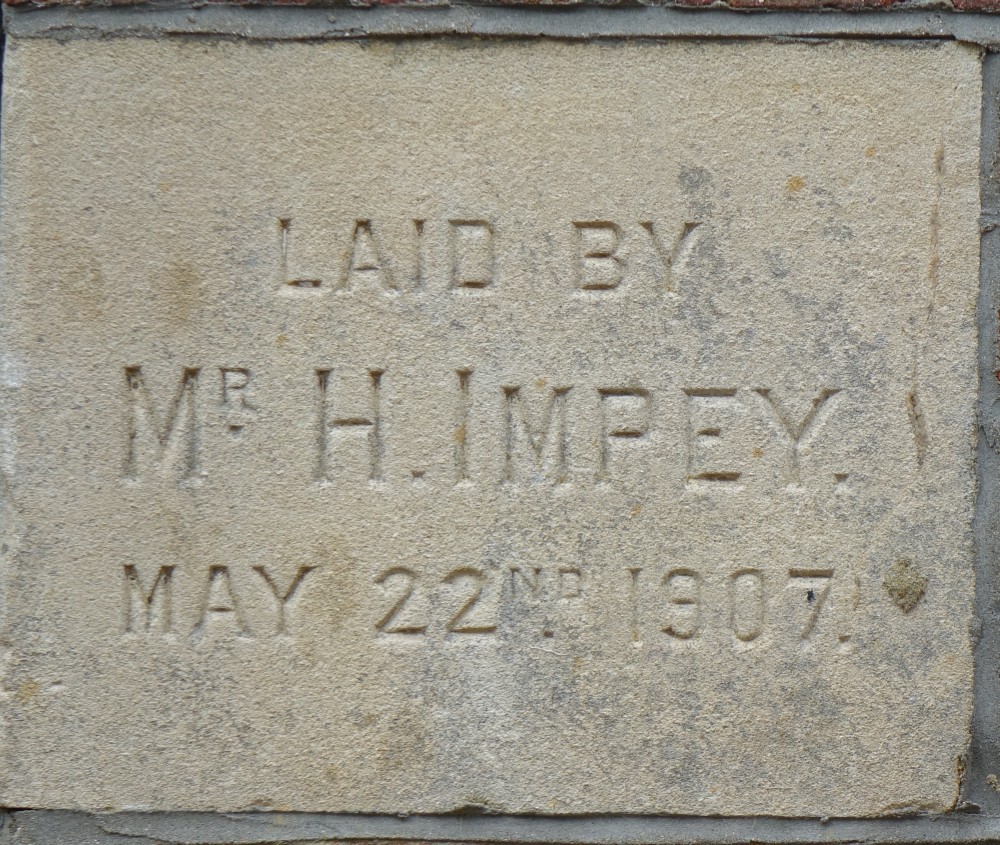
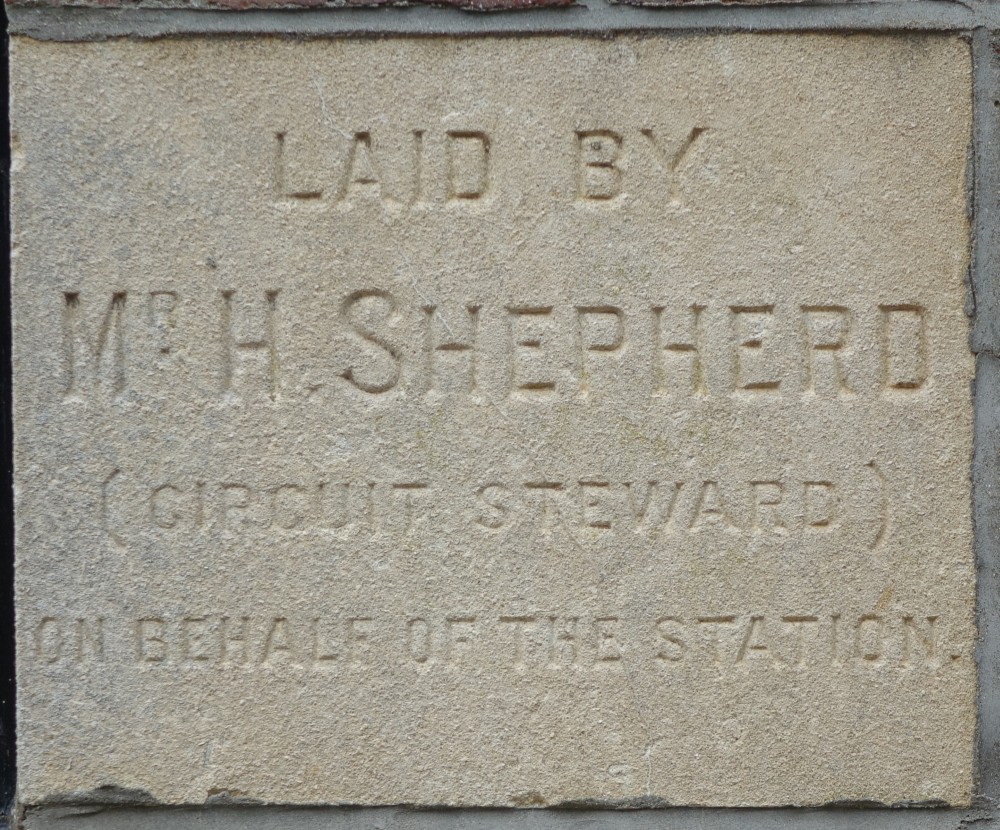
Jubilee Chapel (Primitive Methodist former), Chapel Lane, Bendish
In the centre of this small hamlet near Whitwell. It was built in 1861-62 and sold for conversion to housing in 1972.
 |
 |
 |
 |
 |
 |
 Hertfordshire Churches in photographs