Meeting House (Former), Baldock Road, Cottered now Wayside Cottage
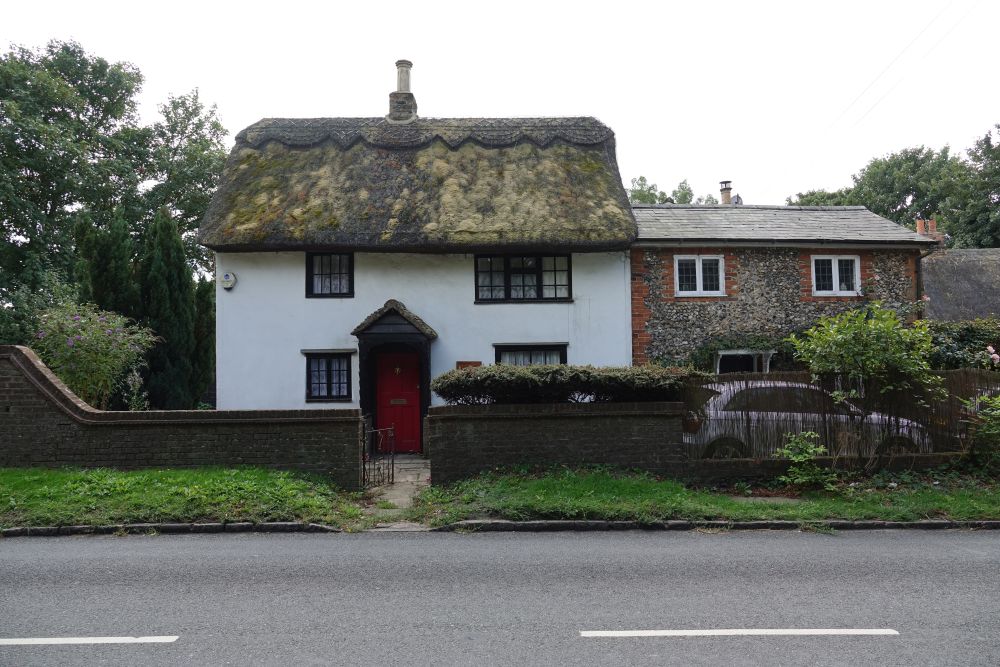
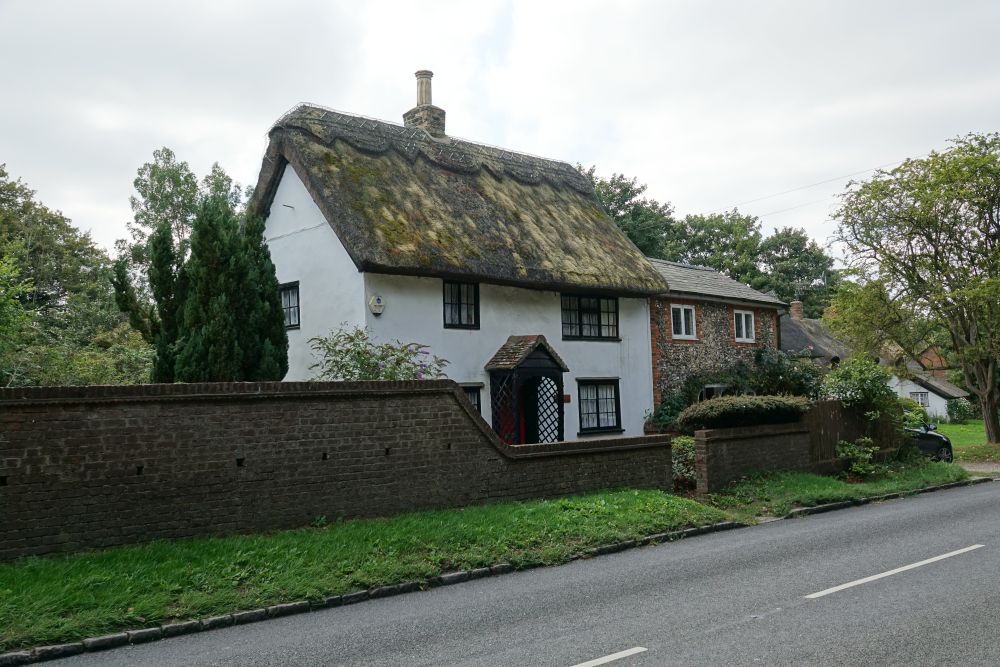
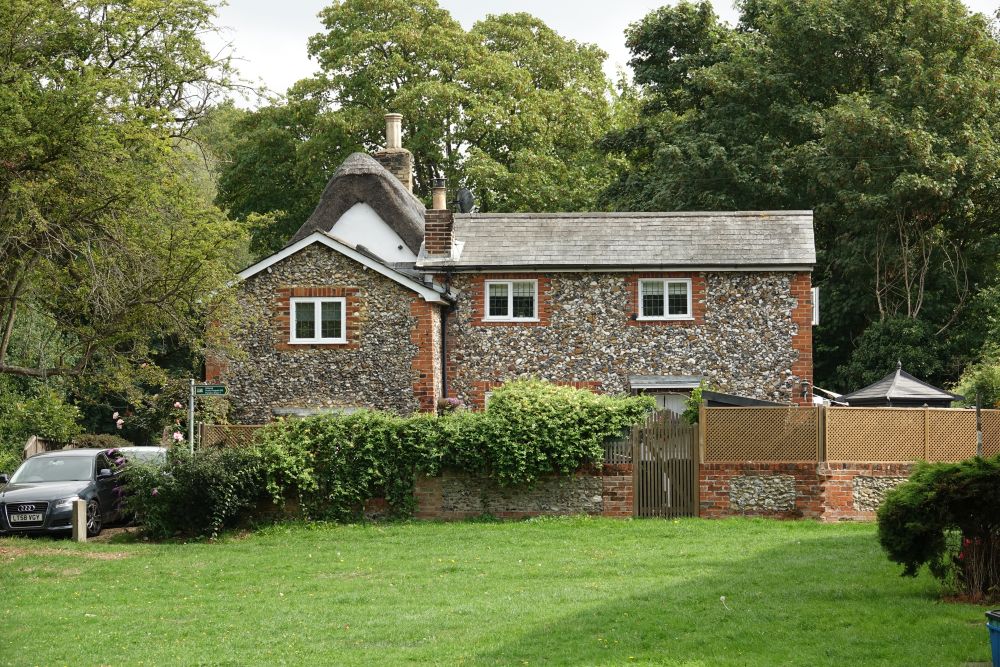
This 17th or 18th cottage on the main road through Cottered was used as the village Meeting House from 1742 prior to its transfer to the house in Meeting House Lane in the early nineteenth century.
 |
 |
 |
|
Meeting House (Former), Warren Lane, Cottered
Down the dead end Warren Lane south of the parish church. This cottage succeeded a cottage in the village in being used as a Quaker Meeting House around 1808. It has been a kennels since the mid 1950s.
 |
 |
Chapel (Former), Tyttenhanger Green
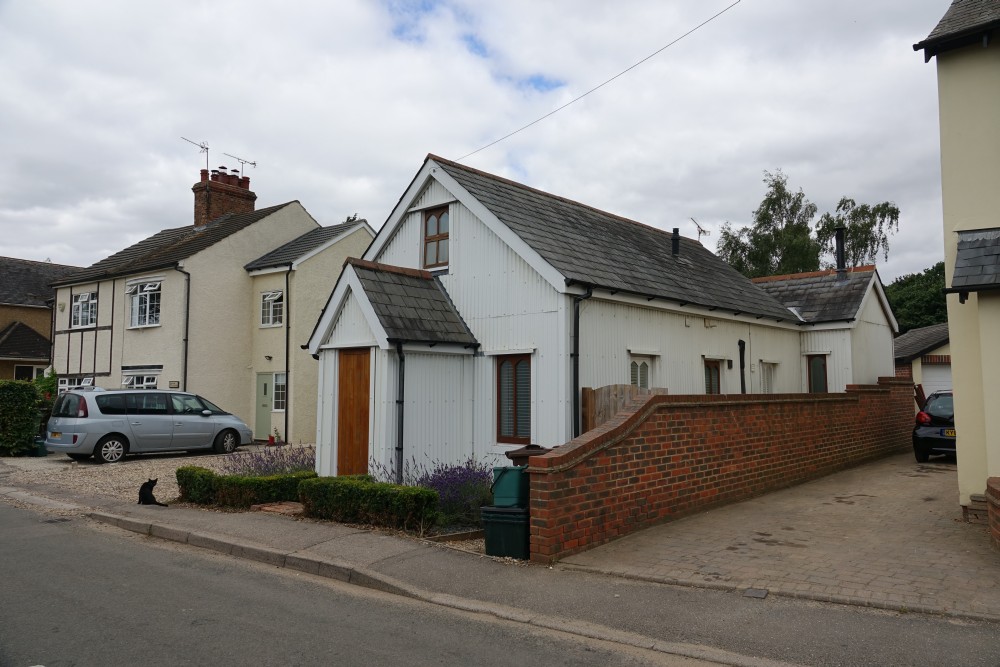
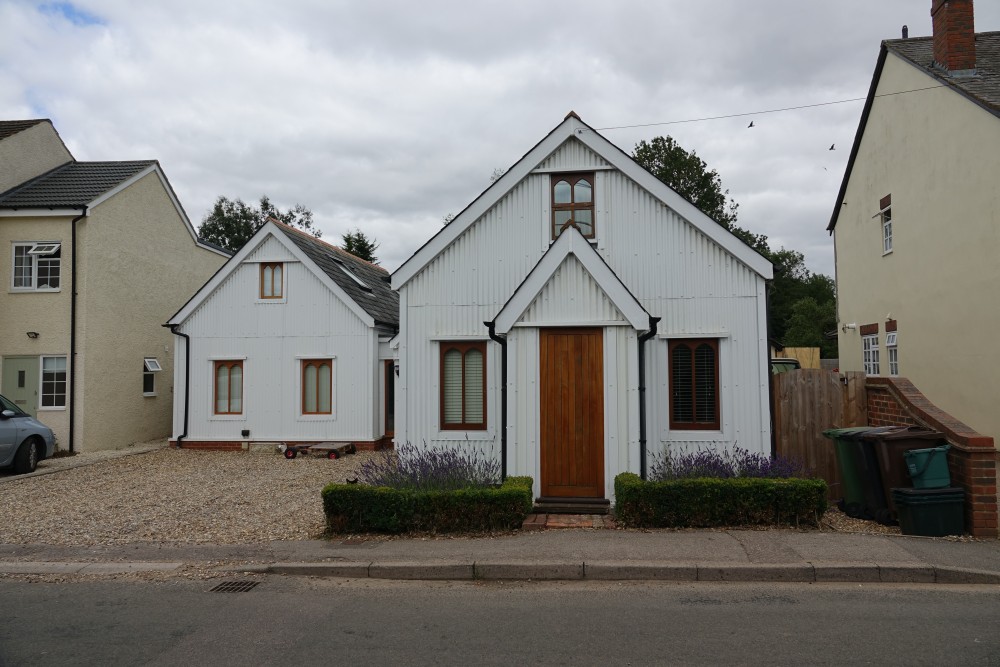
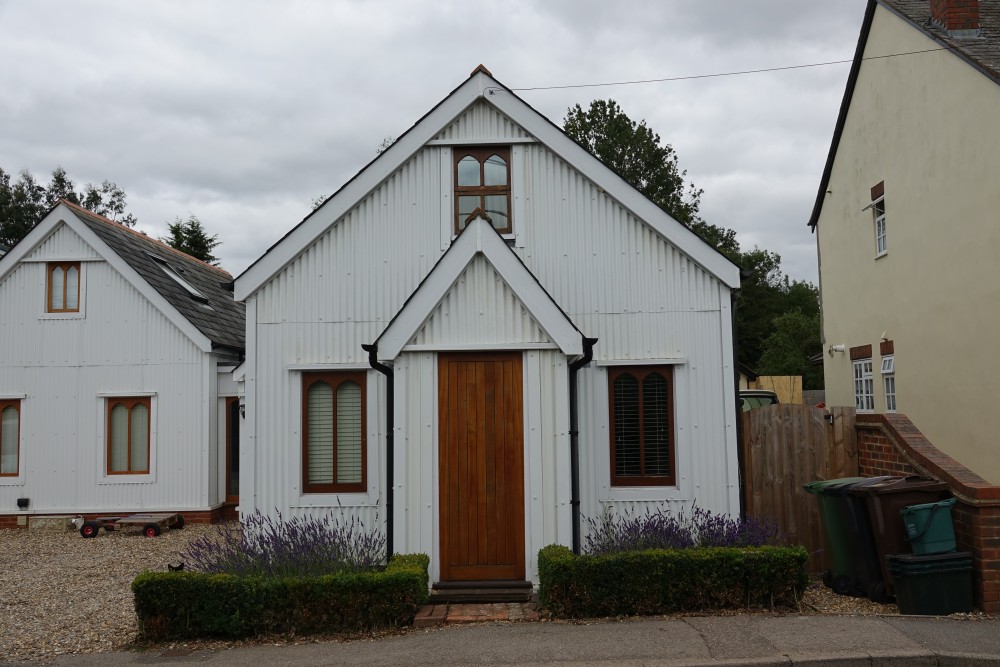
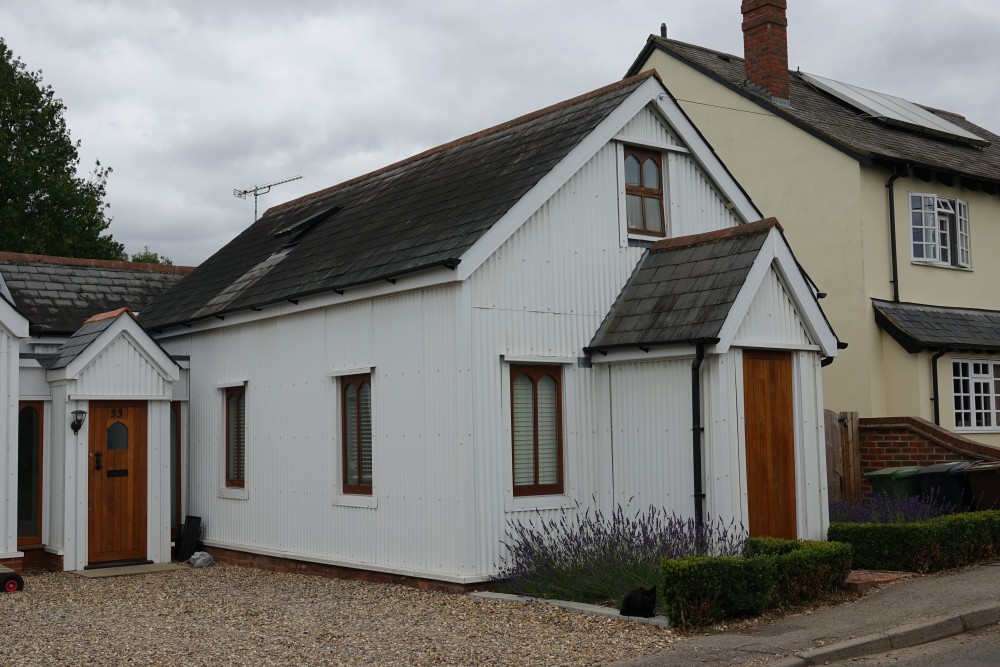
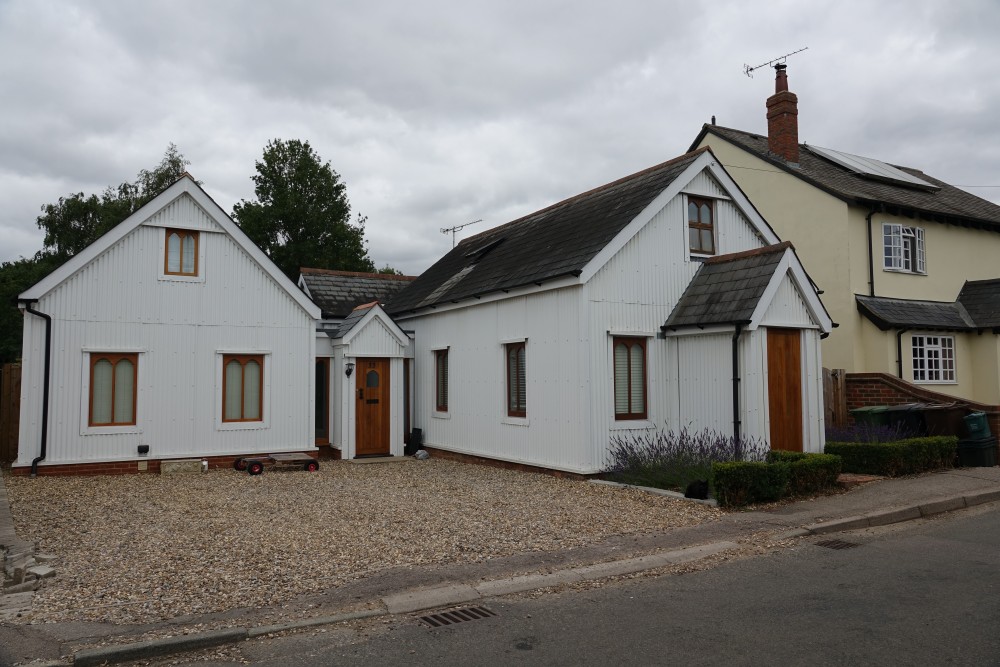
Just outside St Albans in this small hamlet and still marked on Ordnance Survey maps with a cross, this tin tabernacle has been extended in matching style and is now a house. I cannot find anything about its history.
 |
 |
 |
 |
 |
|
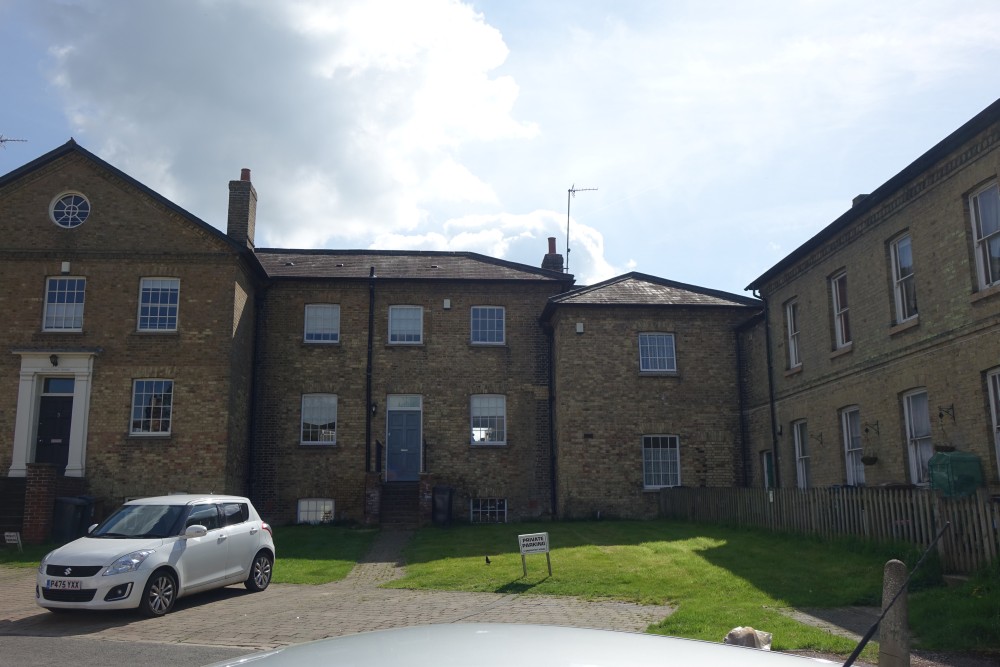
Workhouse Chapel (former), Buntingford
The workhouse is just south of the town centre and dates from 1836-37, with a large extension added in 1872. The chapel was also the dining room and lay at the front of the original building on the south side (the slightly lower roof shown in the image below). The complex closed in 1933 to become municipal offices, it is now housing.
 |
|
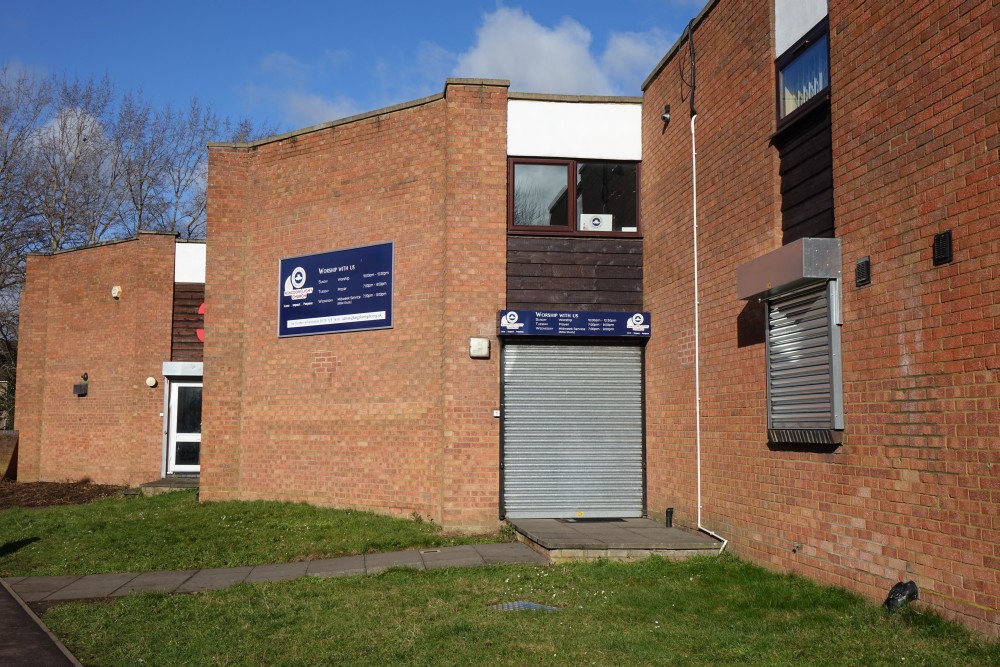
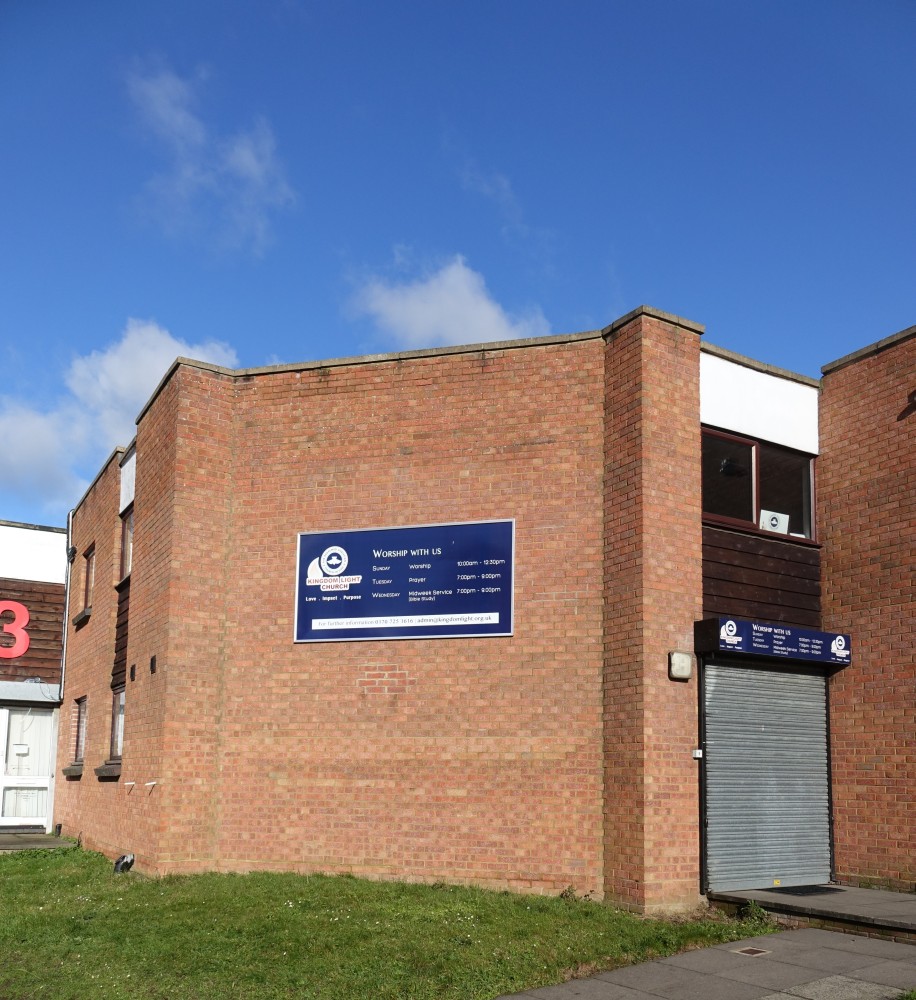
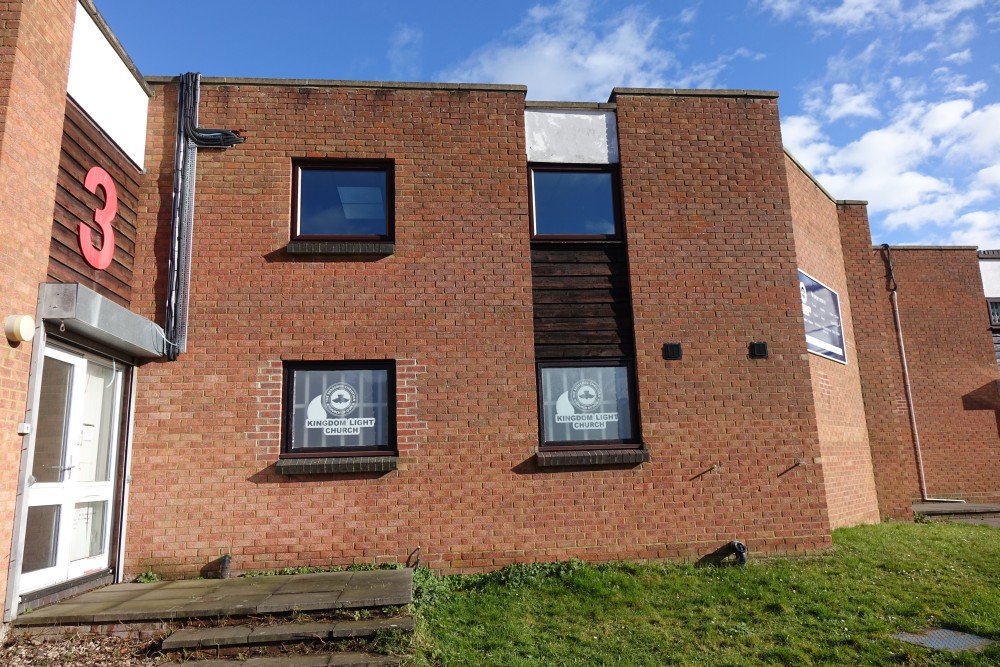
Kingdom Light Centre, 184 St Albans Road West, Hatfield (Redeemed Christian Church of God)
Not far from the northern entrance to the Galleria, this is an industrial unit used by the church.
 |
 |
 |
|
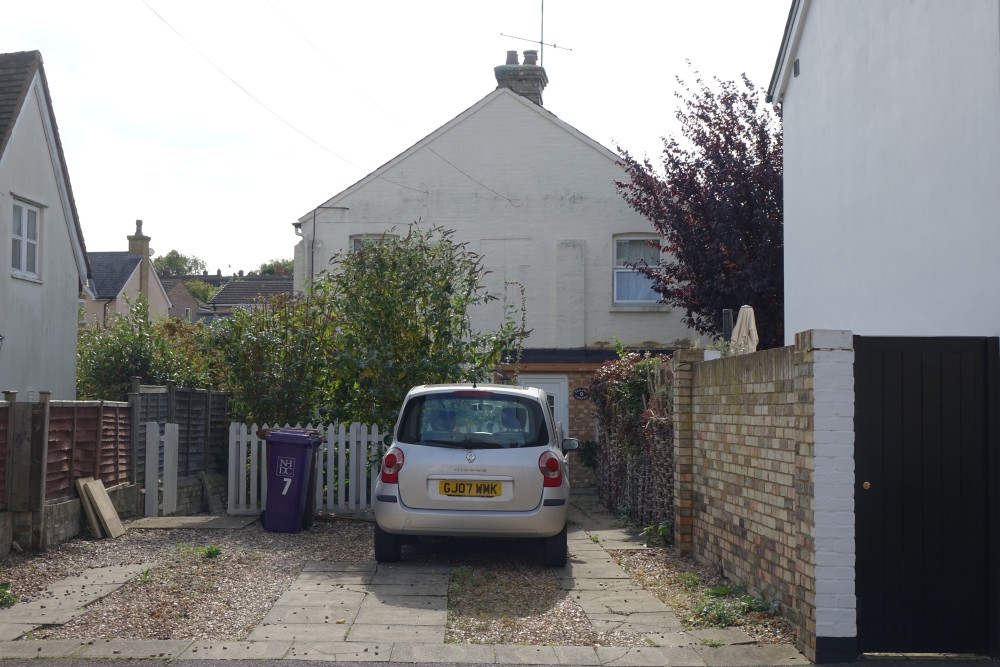
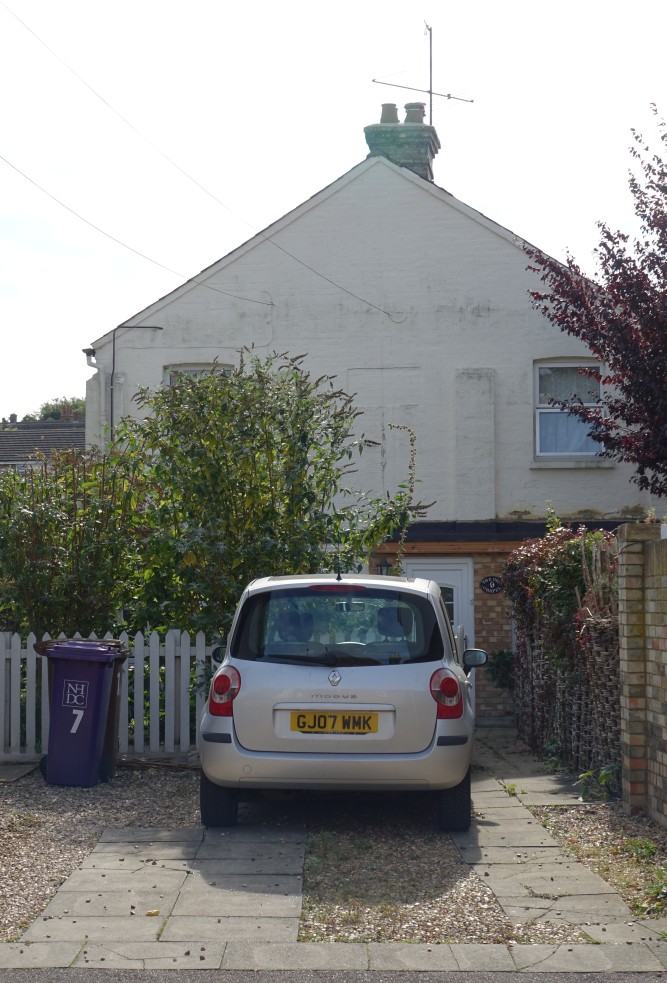
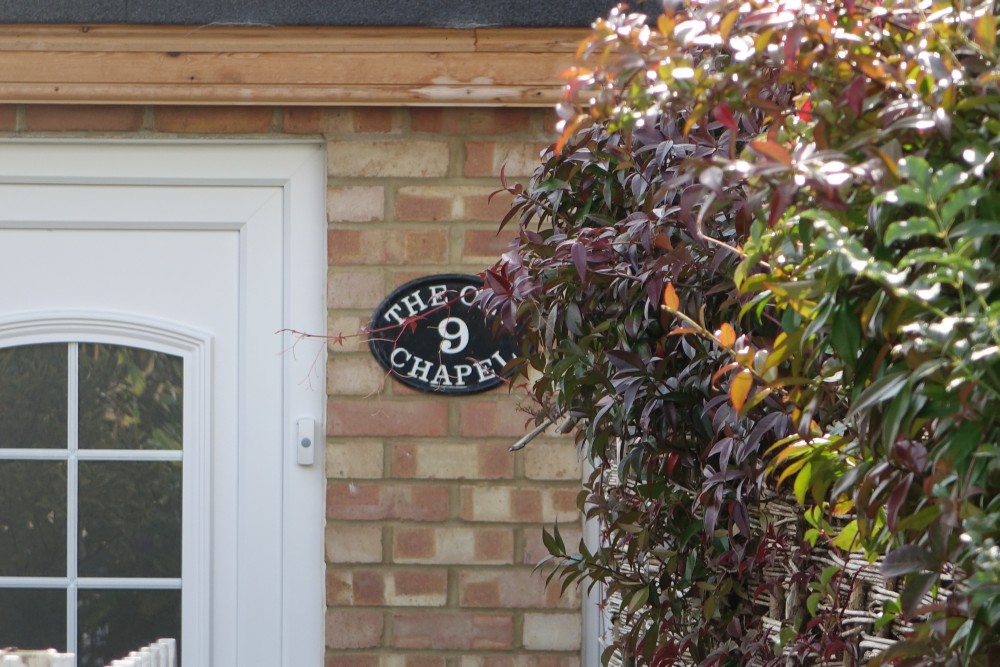
Primitive Methodist Church (former), West Street, Ashwell
Built in the mid 19th century and now housing called The Old Chapel.
 |
 |
 |
 |
 |
 |
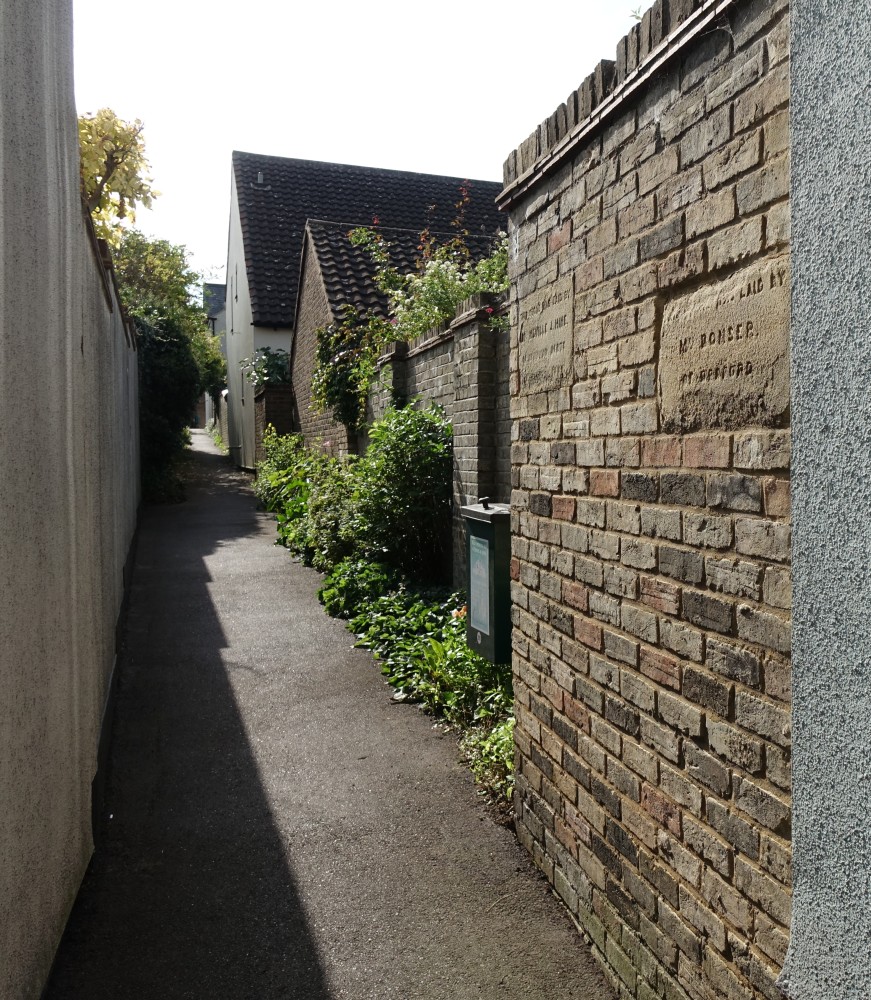
Wesleyan Methodist Church (Former), High Street, Ashwell
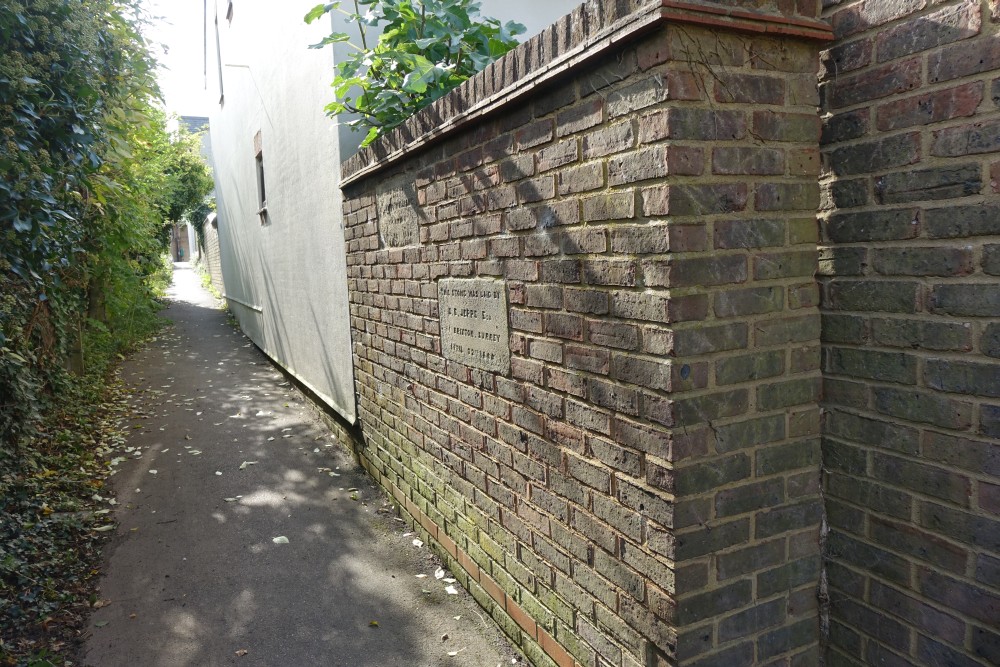
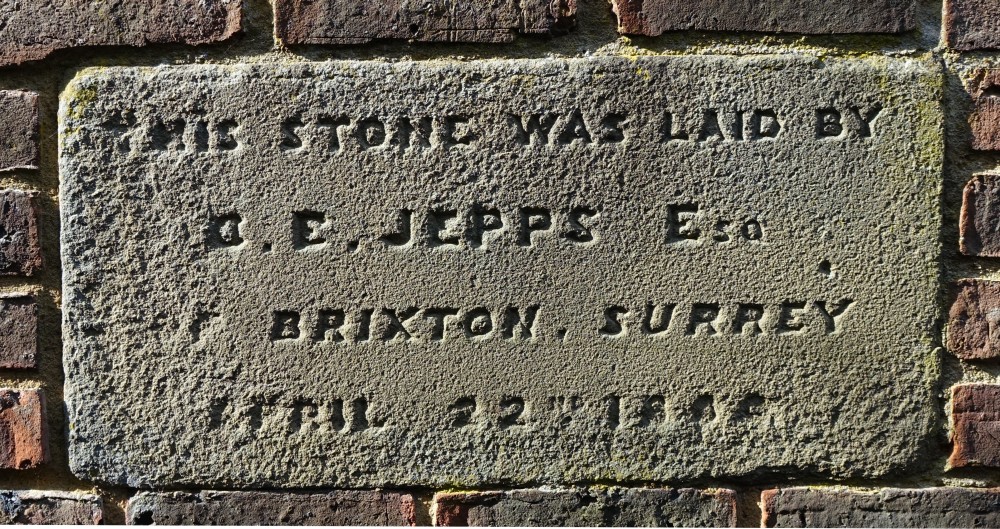
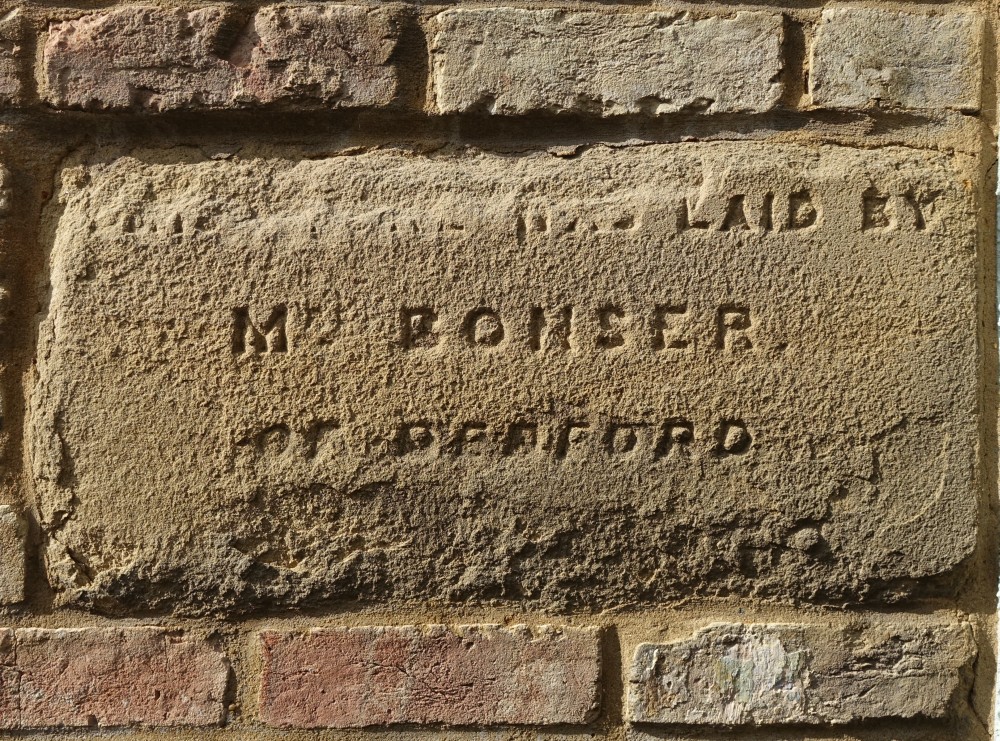
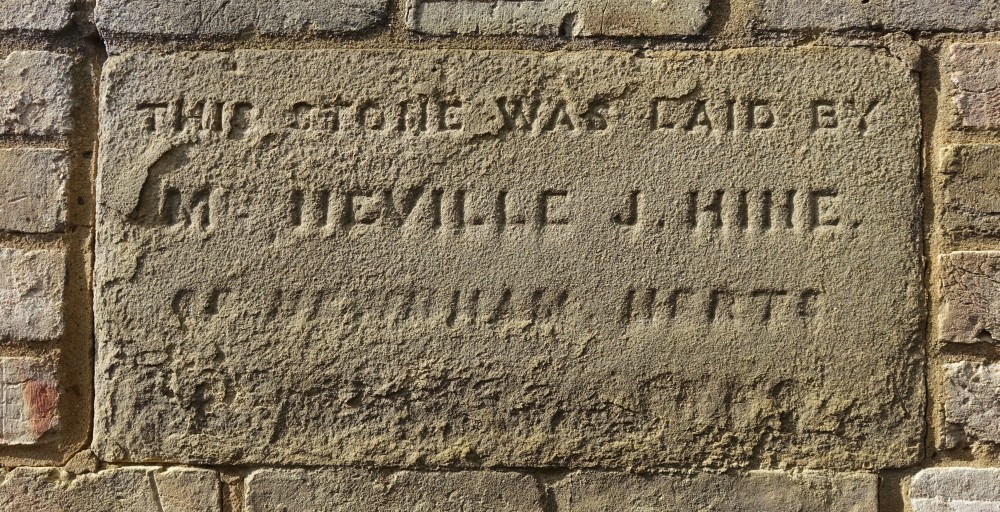
Replacing, the still extant, old church in 1880s but demolished in 1979 after the congregation joined that at the United Reformed Church in 1977. Four foundation stones are mounted in a wall along the alley connecting High and Silver Streets at the side of the site.
 |
 |
 |
 |
 |
 |
 |
|
Quaker Burial Ground, Angell’s Meadow, Ashwell
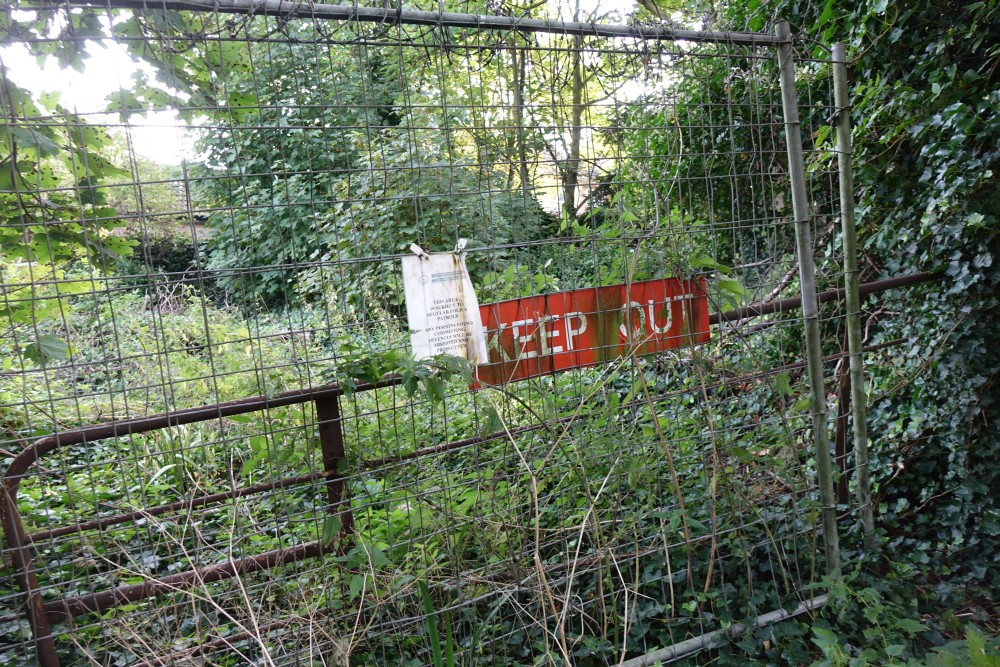
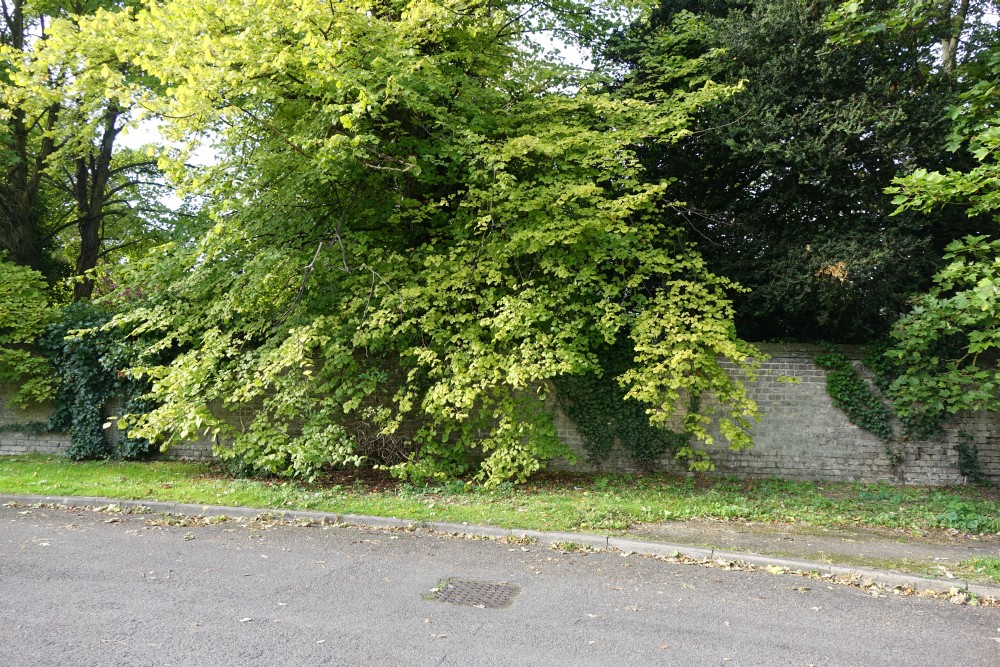
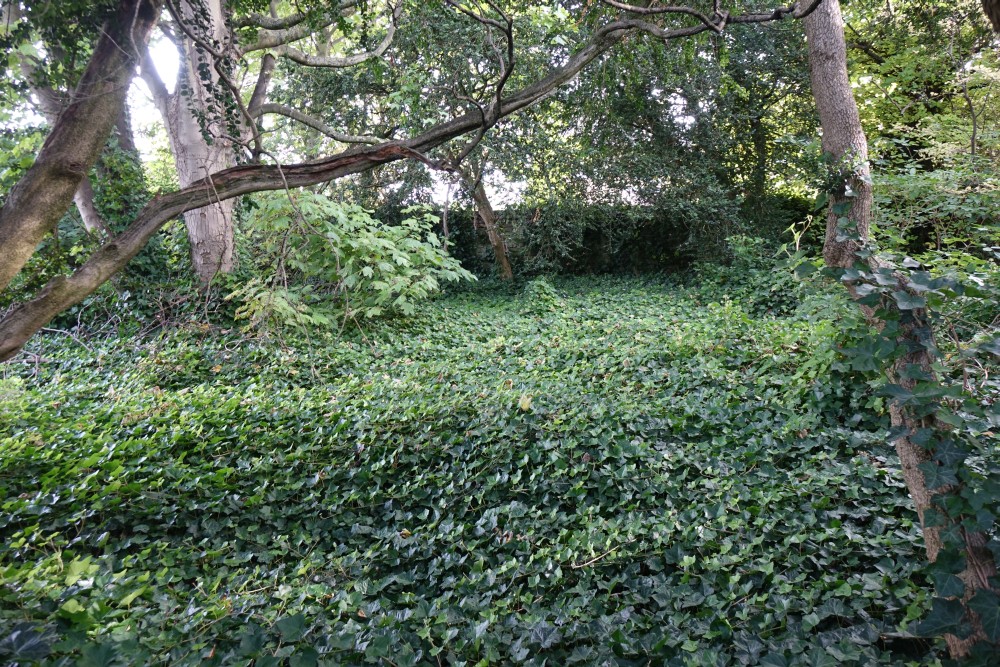
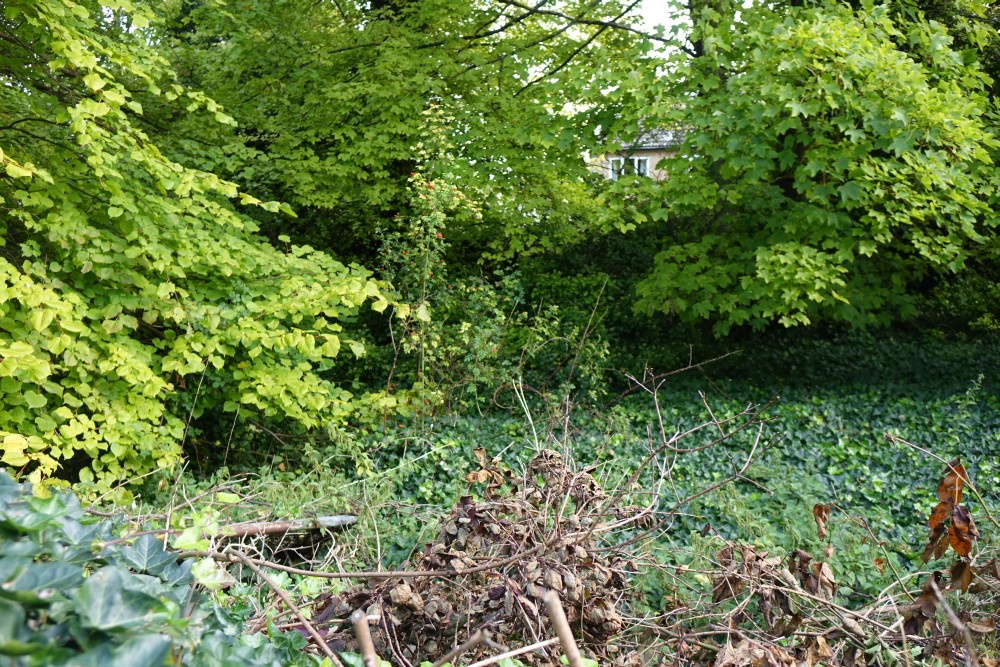
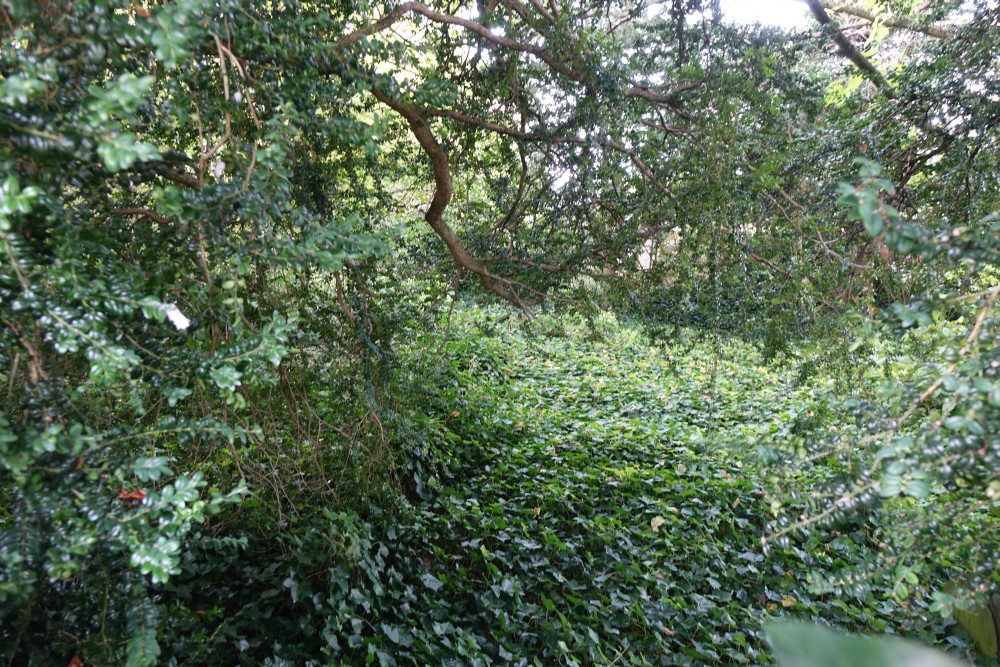
Now very overgrown at the cul-de-sac end of Angell’s Meadow. Some of the wall alongside a footpath up from Silver Street has gone allowing a view in. The Meeting House was destroyed by fire in 1850, having already been out of use.
 |
 |
 |
 |
 |
 |
United Reformed Church (former), Watling Street, Radlett (now Radlett Reform Synagogue)
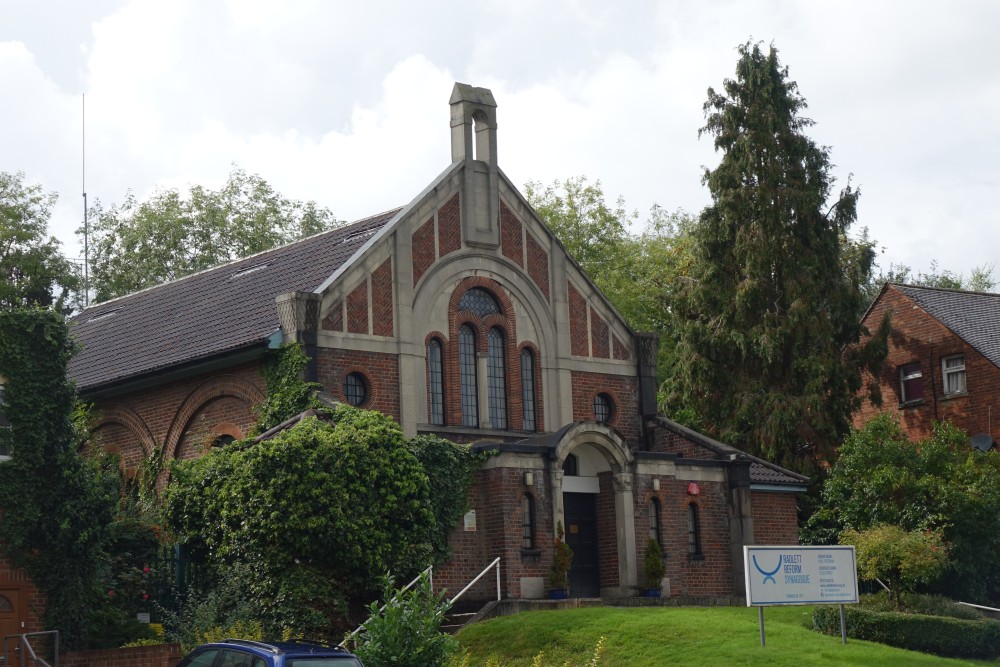
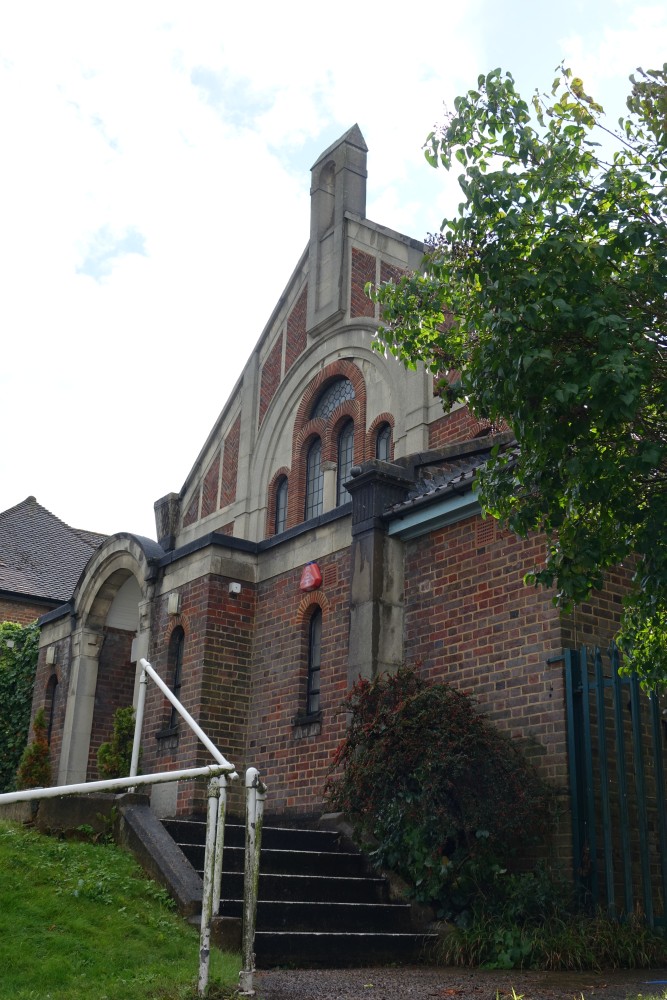
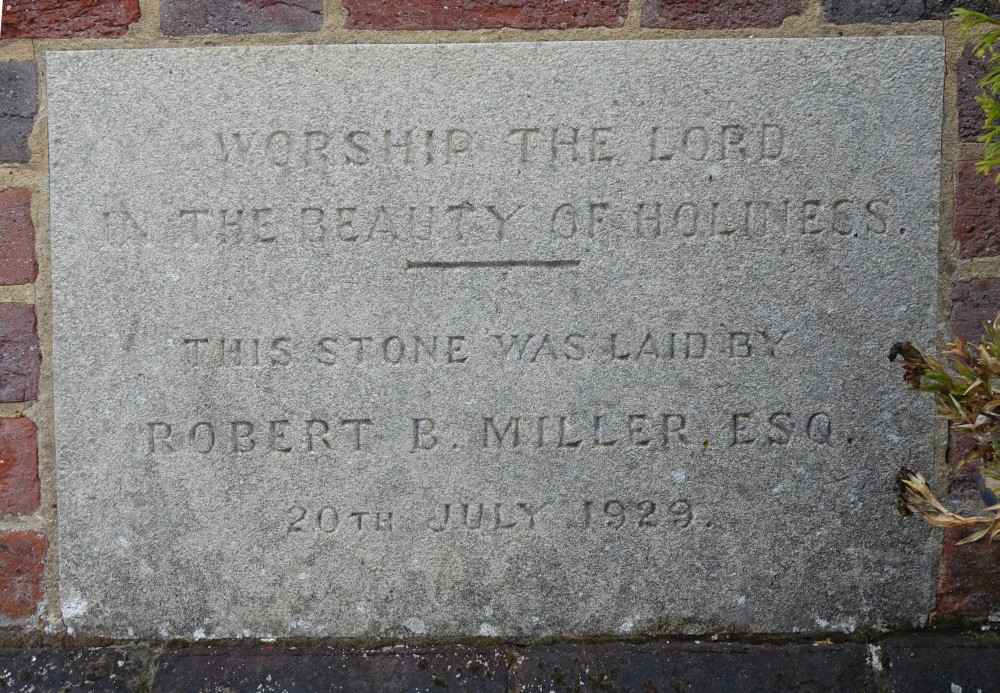
Raised above street level at the south end of the town centre. It was built 1929-30 as the Congregational Church, replacing a building of 1905 at the rear and began being used by the Reform Jewish congregation in 1971. In 1980 the United Reformed Church congregation joined with the Methodists in their church as the United Free Church and the building became a Synagogue.
 |
 |
 |
 |
 |
 |
Chapels (former), Bishops College, Churchgate, Cheshunt
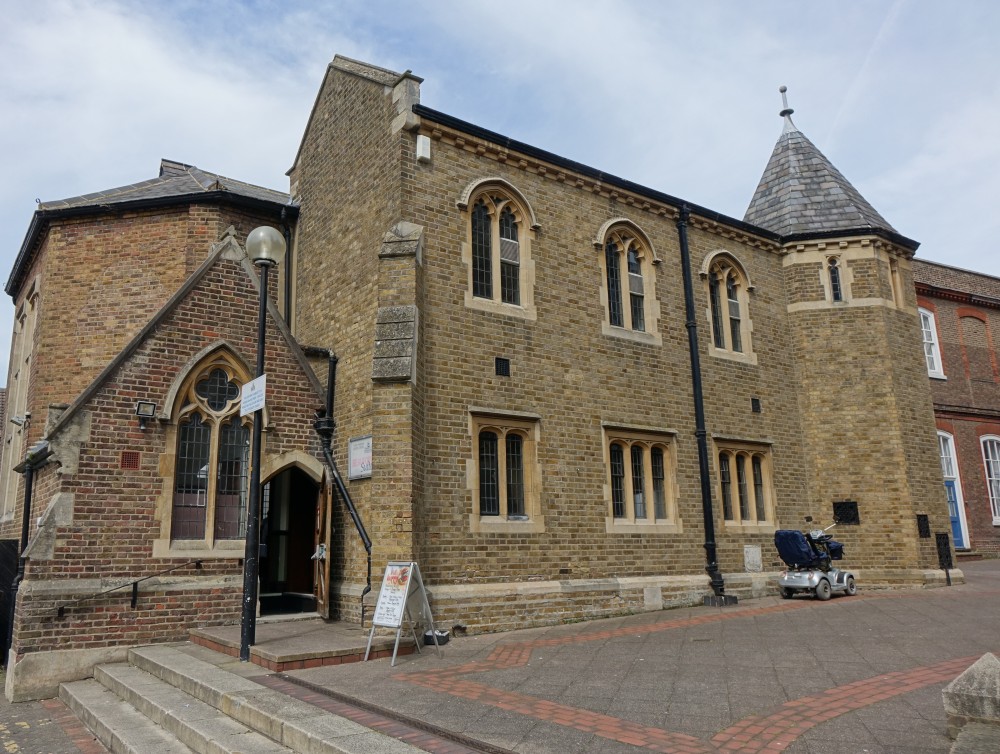
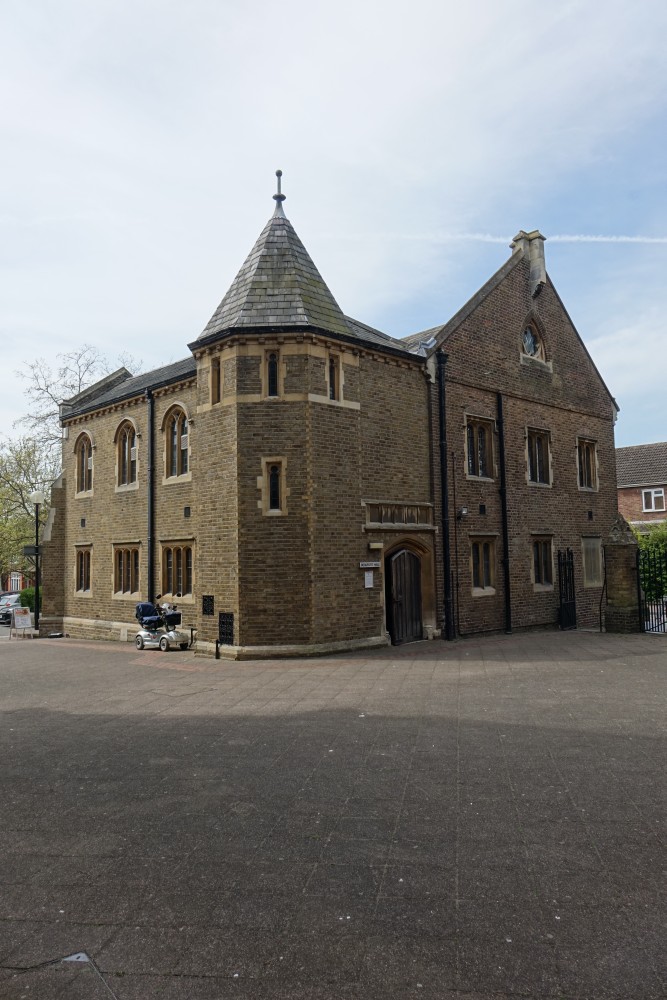
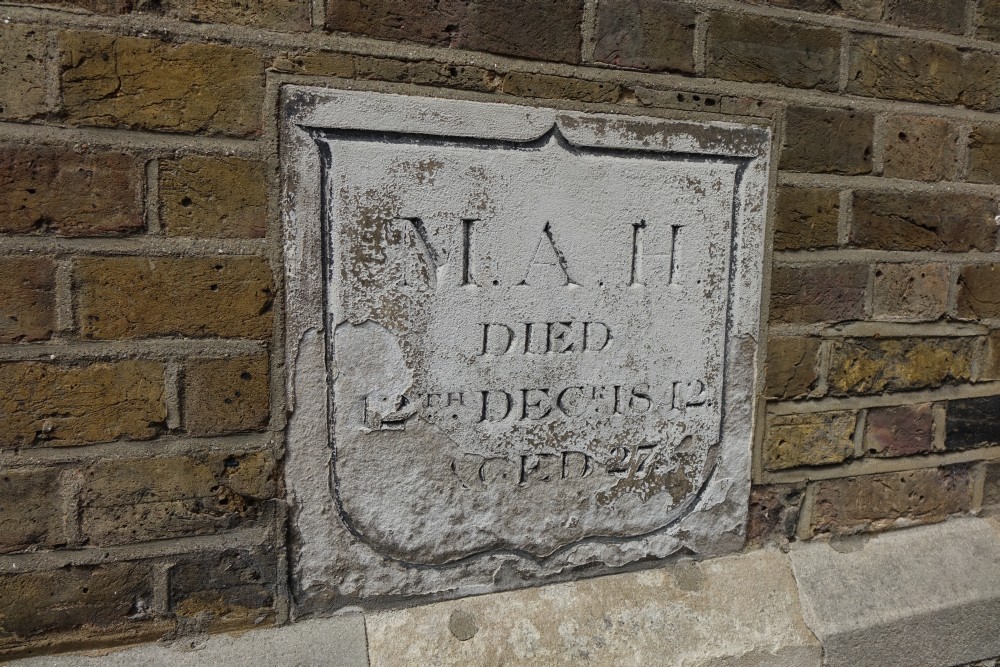
The Bishop’s College site has had three distinct uses. From 1792 until 1905 it was a college for training ministers, principally those of the Countess of Huntingdon’s Connexion. It then became Bishops’ College, a training college for the Church of England from 1909 until 1968. Following that it became the council offices for Broxbourne Council and to which they have added a large post modern range to the south. The older buildings are at the north end of the site with a large eastern extension of 1870. Despite its ecclesiastical appearance, particularly the apsidal library, it did not contain a chapel (bottom right picture). The chapel of the orignal college are the buildings on the road front dating from 1806 and altered in the later 19th century, now called the Beaufort Suite, having been the council chamber prior to the modern buildings being finished. At the eastern end of the 1870s building there is a 1936 extension, designed by “Mobely” according to the Broxbourne Council leaflet referenced below, which was used as the chapel in later Anglican days (bottom left picture).
 |
 |
 |
 |
 |
 |
 Hertfordshire Churches in photographs