Home » Redundant church
Category Archives: Redundant church
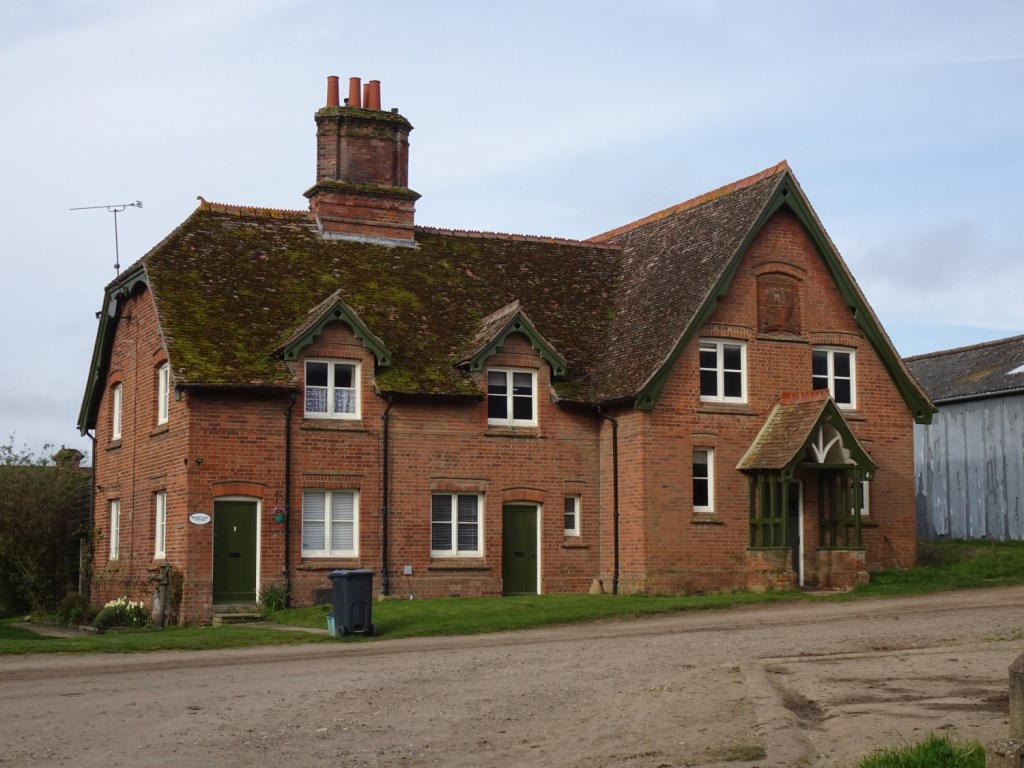
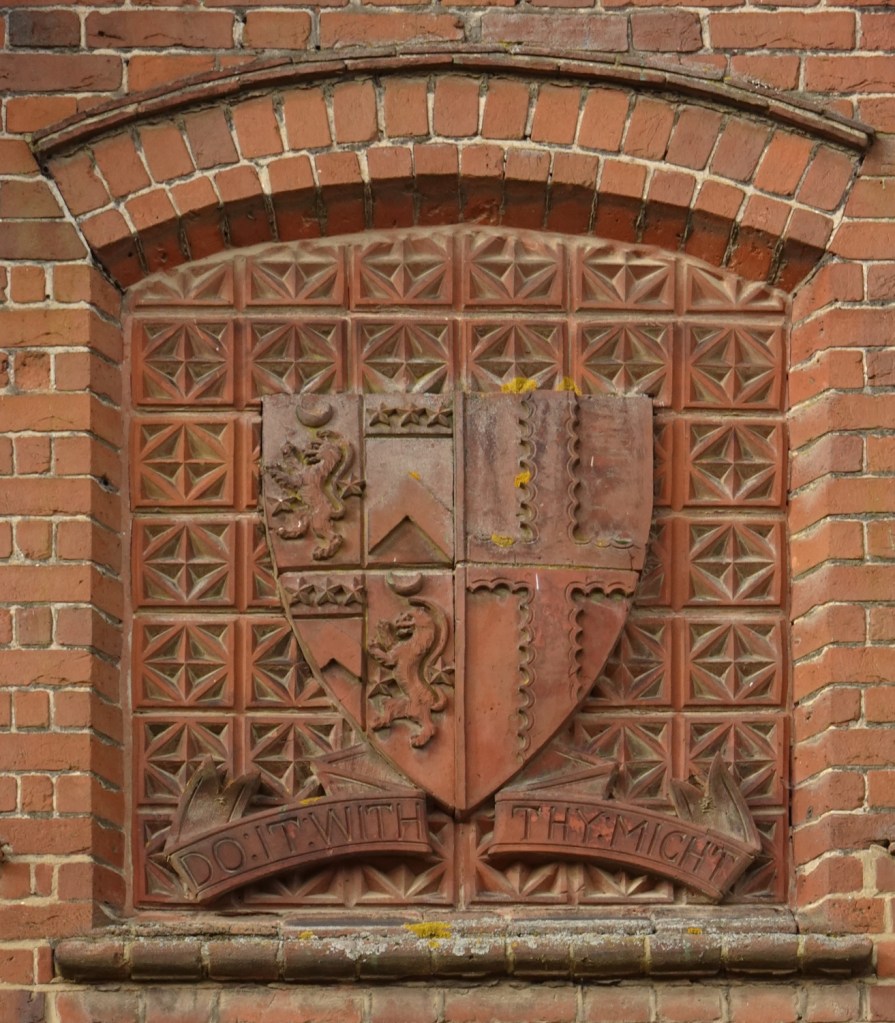
Mission Hall (former), Watersplace Farm near Ware. Now estate offices
Down a public right of way to the farm off the B1004 between Ware and Wareside. There is the former mission hall and two attached cottages. The hall is now the farm office. It was designed by Alfred Waterhouse for the Easneye Estate and built in the 1860s.
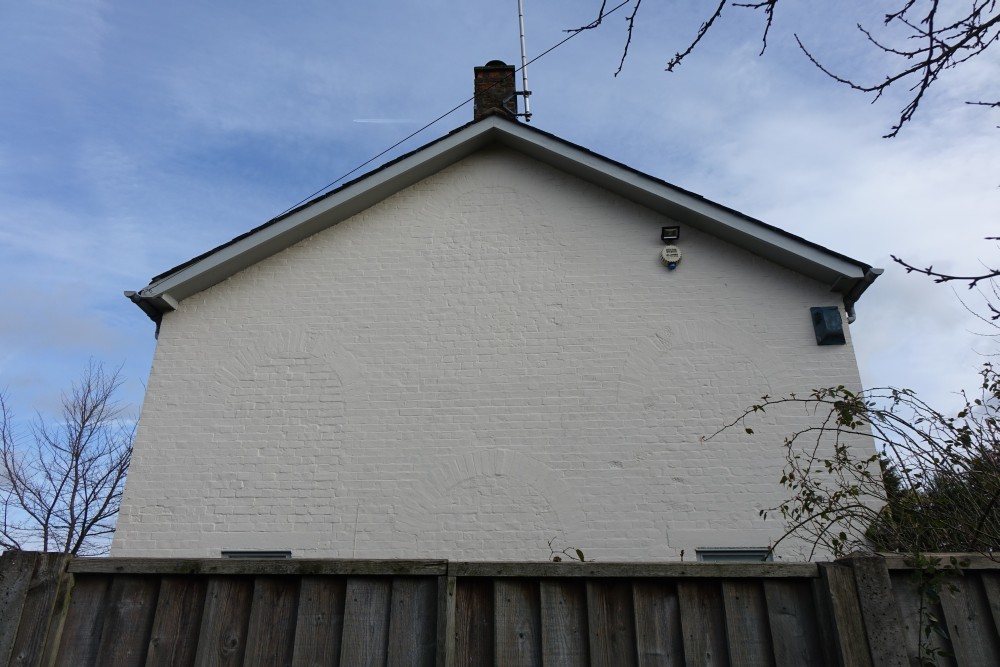
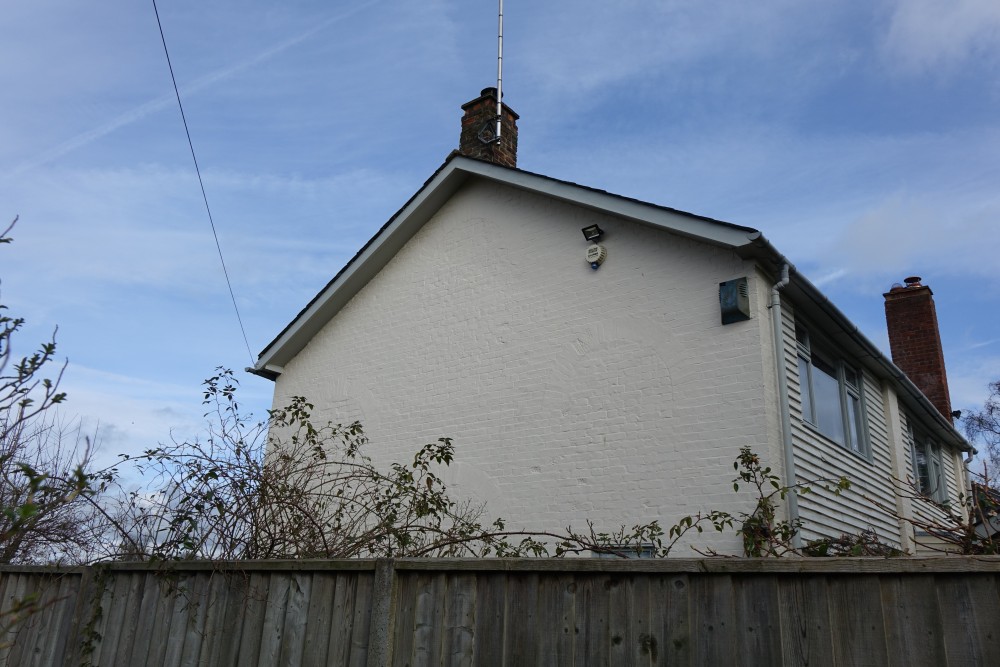
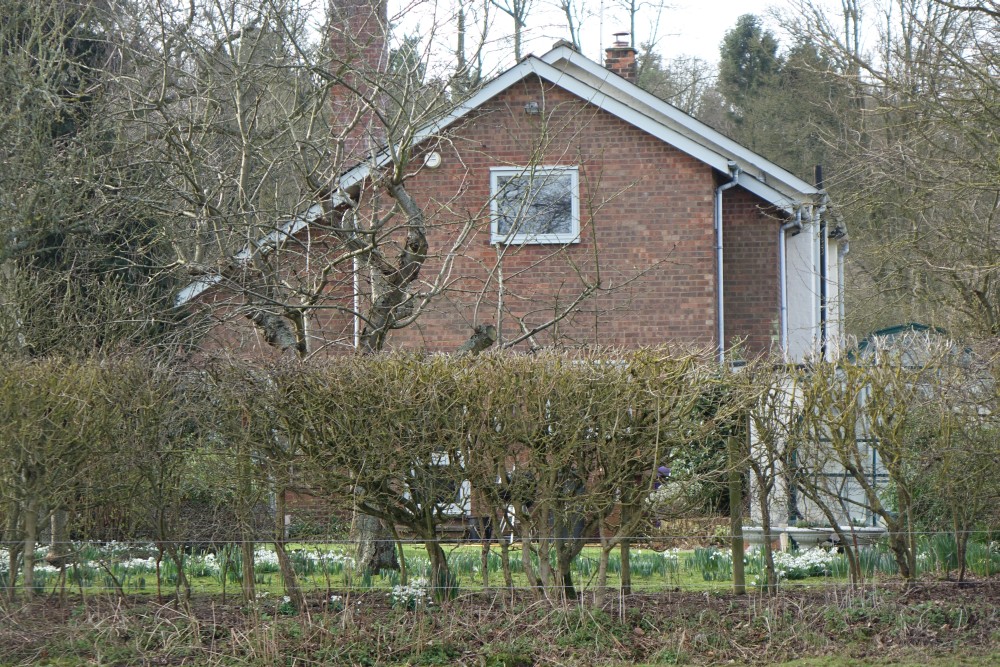
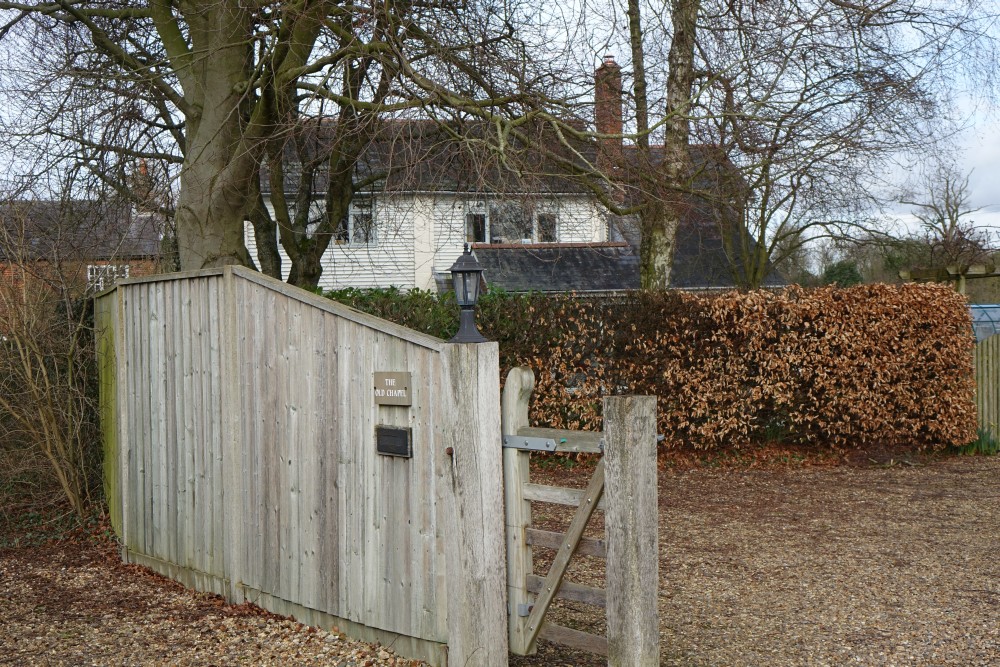
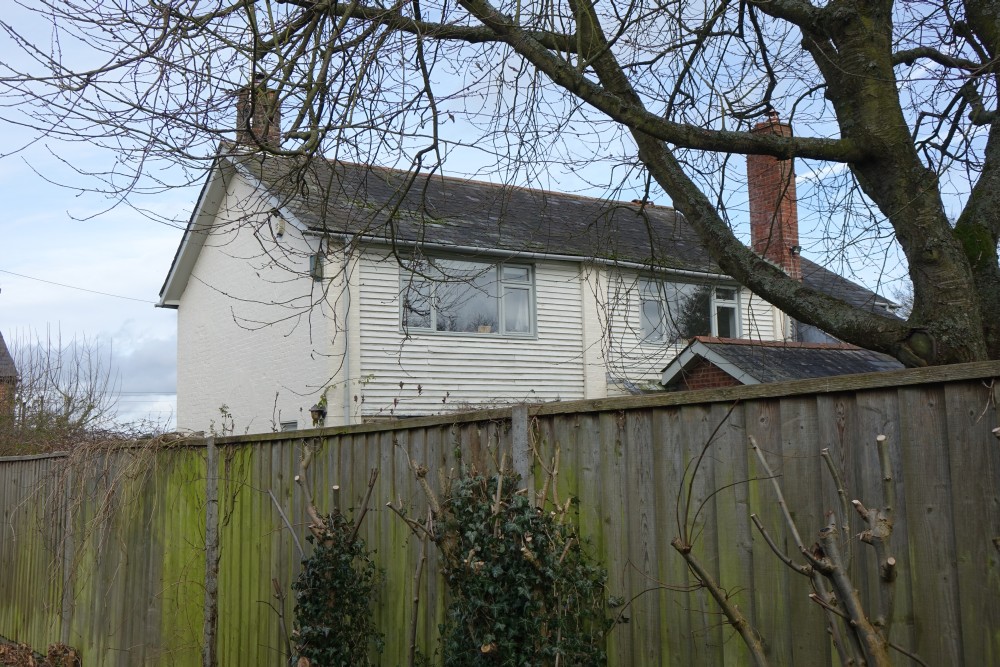
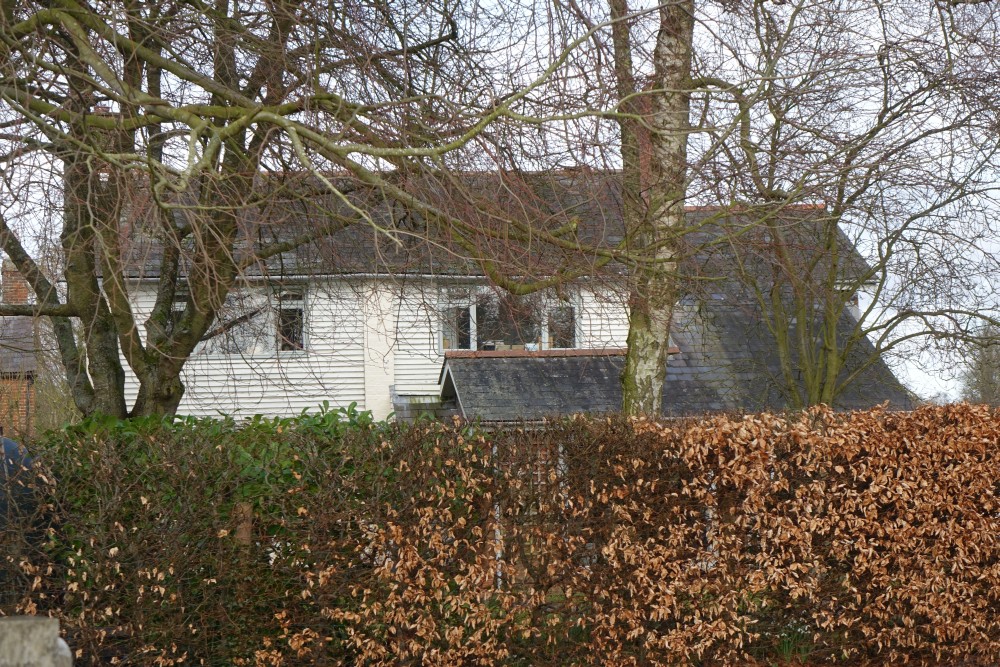
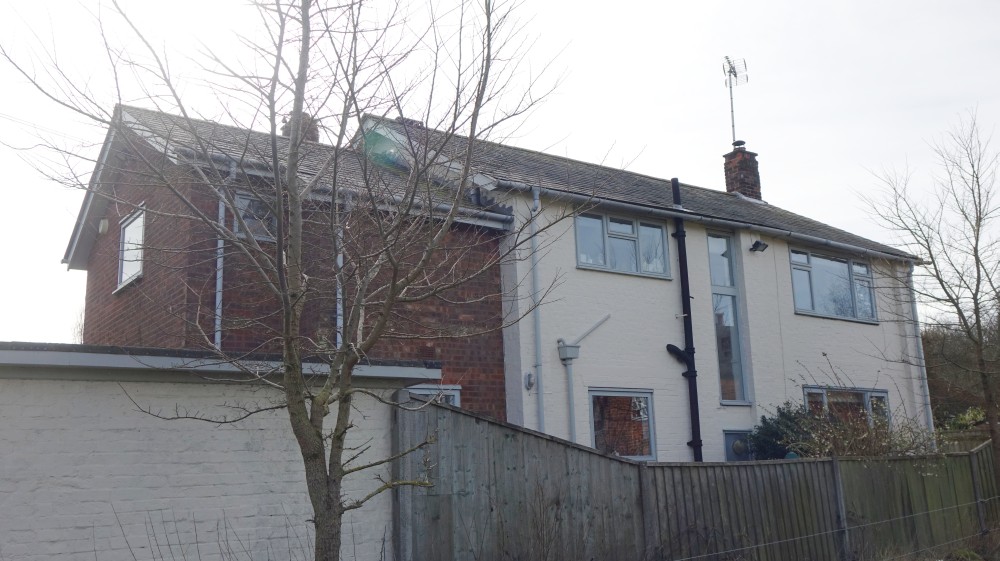
Wesleyan Chapel (former), West Street, Lilley now the Old Chapel
Alongside a footpath off West Street, this building now looks much more like a modern house than a chapel. Only the shadow of arched windows and doors in the gable end give it away. It opened in 1837 and closed in 1954 and was converted to housing.
 |
 |
 |
 |
 |
 |
 |
|
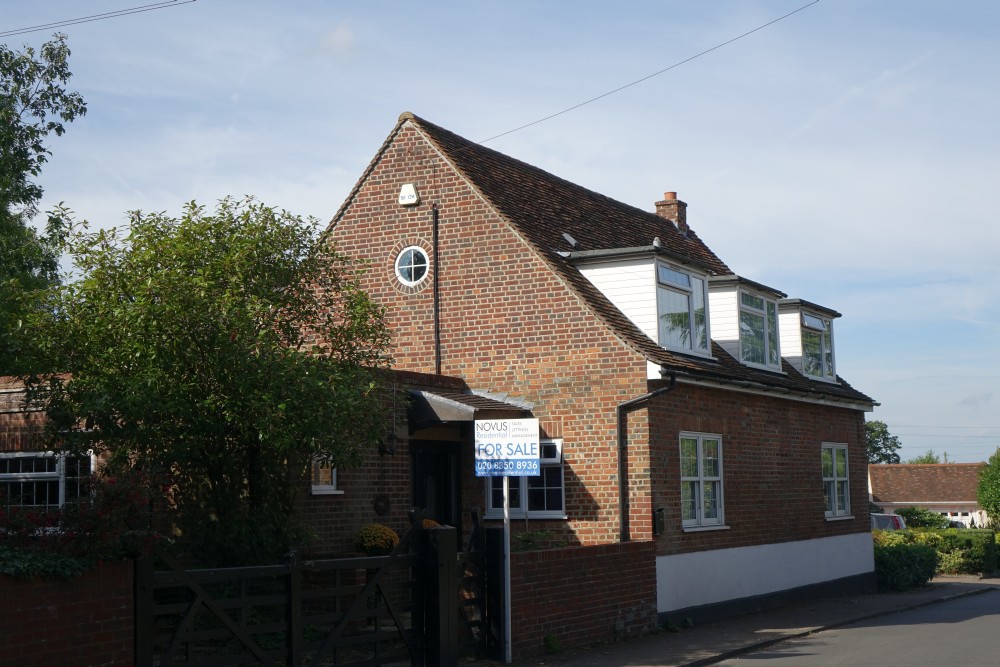
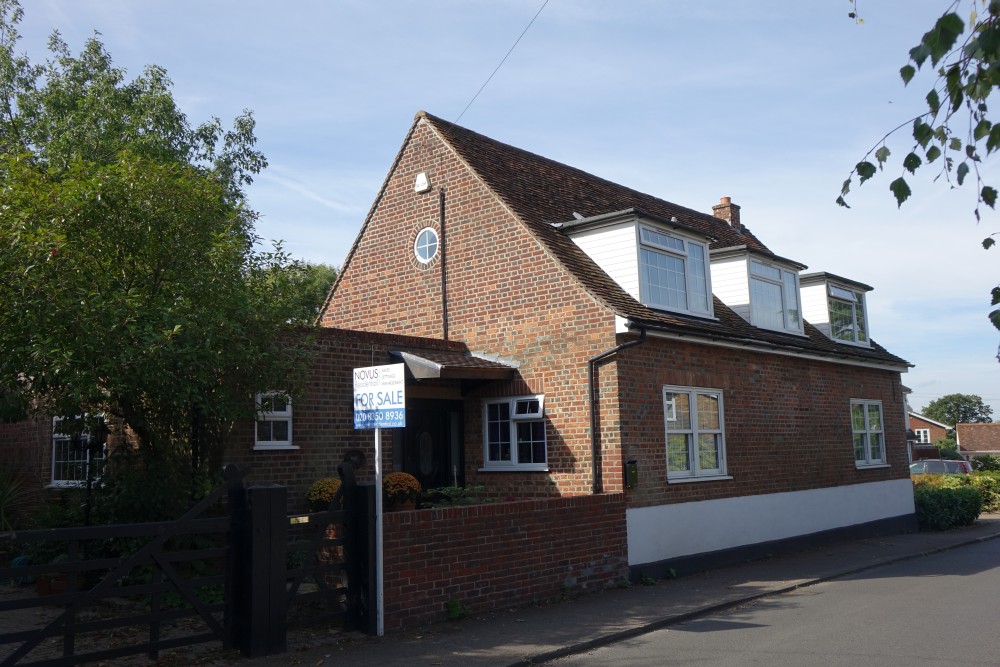
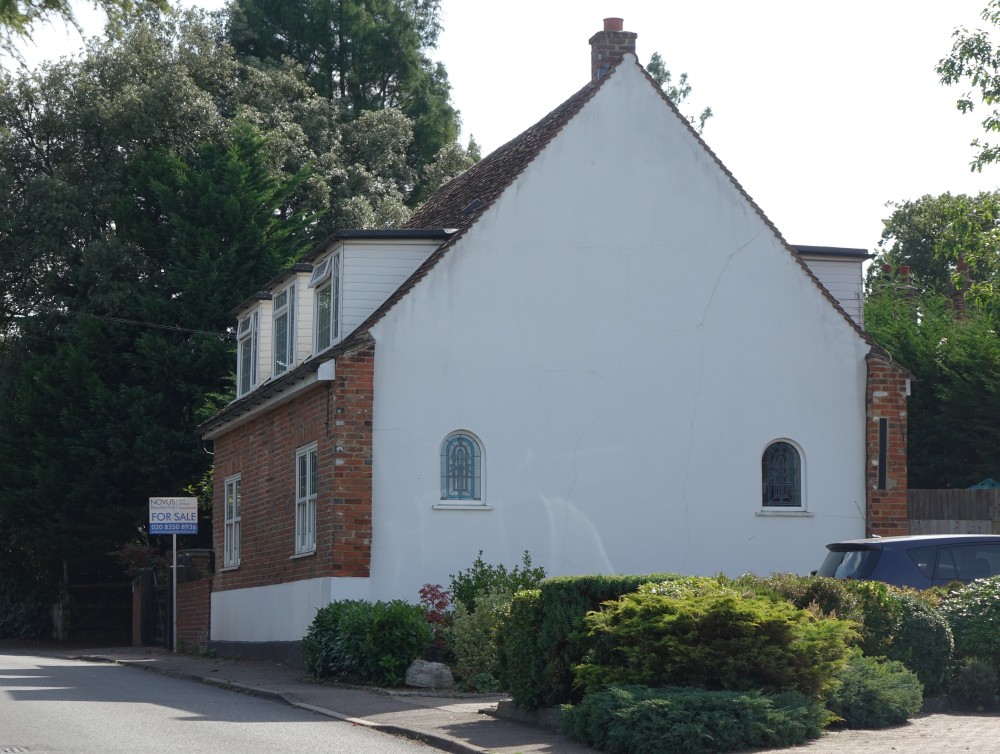
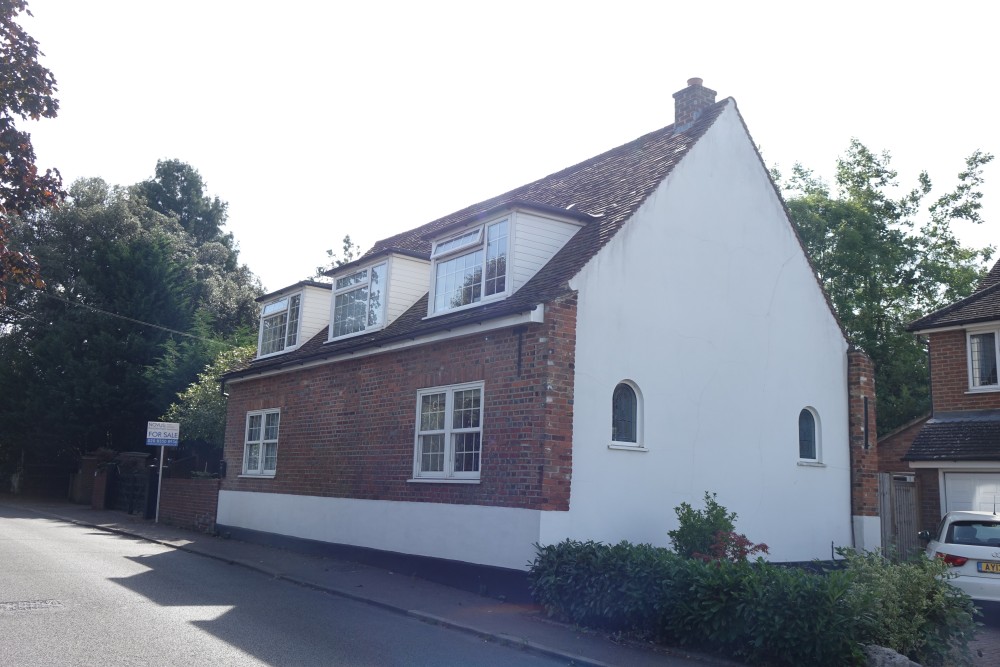
St Michael & All Angels (former), Moffats Lane, Brookmans Park
This building, now house, predates its use as a church by many years. It was built as the squash court for Moffats a local large house. It was purchased in 1948 and an appeal for £1,500 in 1949 to convert it to a chapel, succeeded and conversion started in 1950 with consecration in 1951. It lasted until the 1990s, being converted to a house around 1997. This conversion added the street level windows.
 |
 |
 |
 |
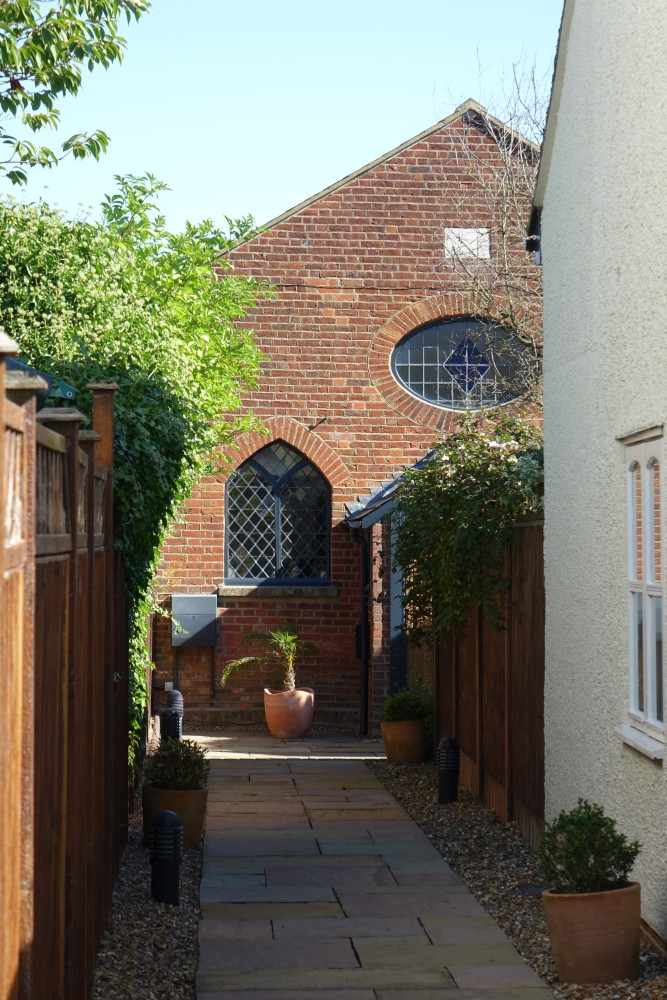
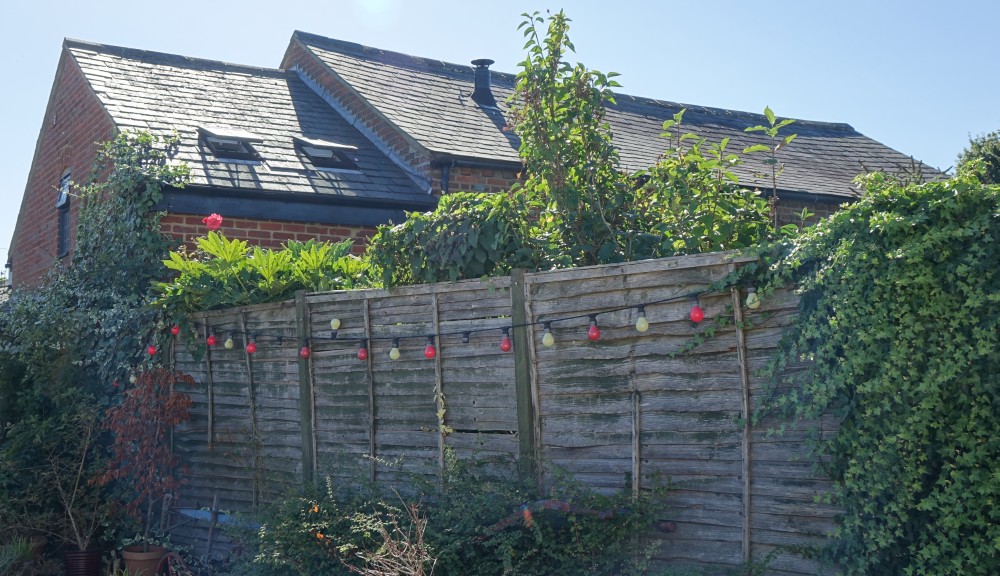
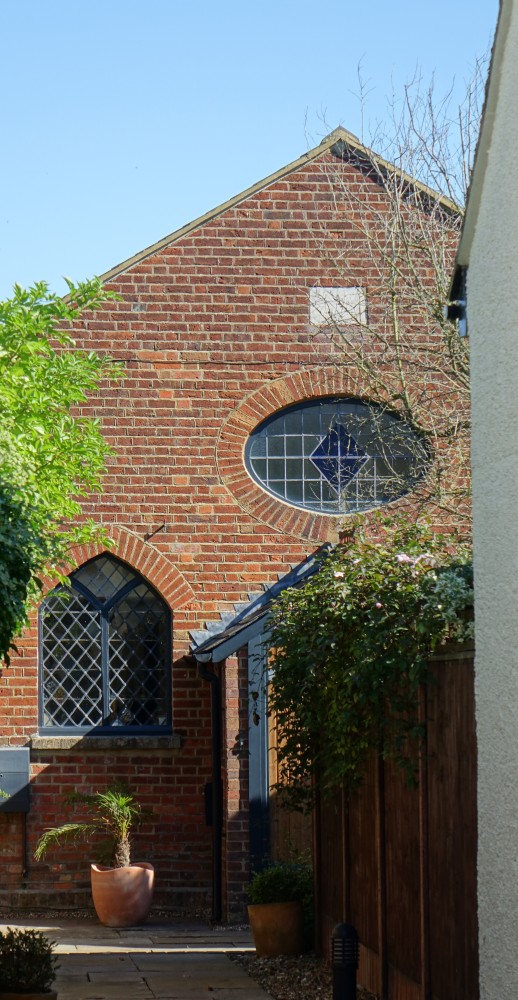
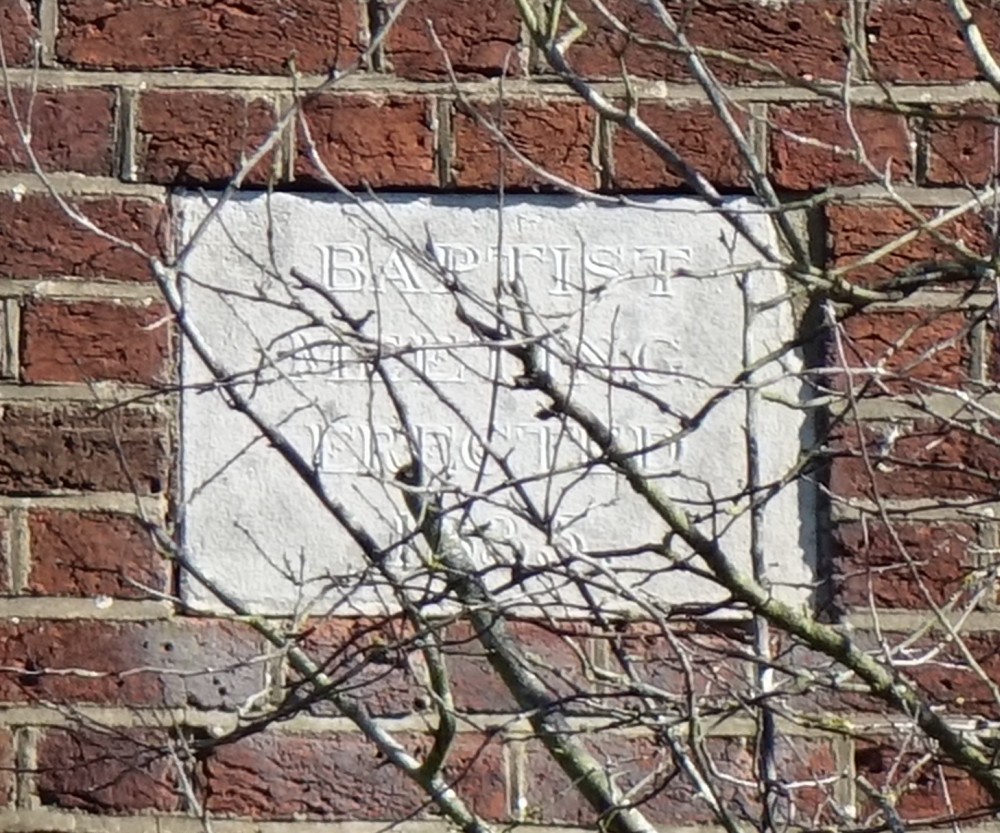
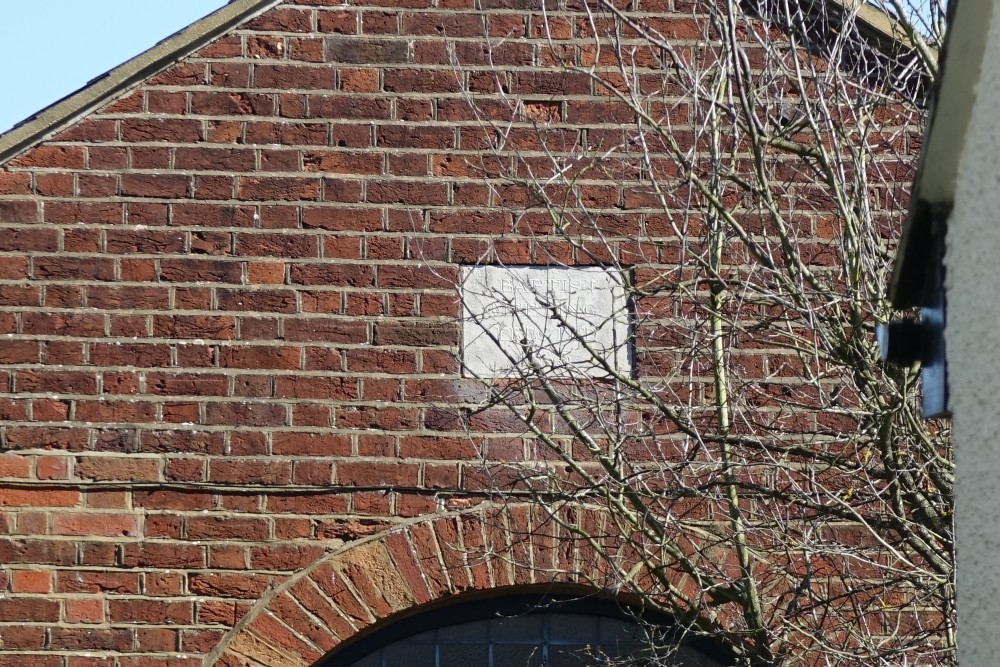
Strict Baptist Chapel (former), The Back, Potten End
Partially hidden away behind other houses in The Back, as it is accessed down a passageway alongside number 7. It dates from 1835 and is now a house. The rear can be viewed from the garden of The Plough.
 |
 |
 |
 |
 |
|
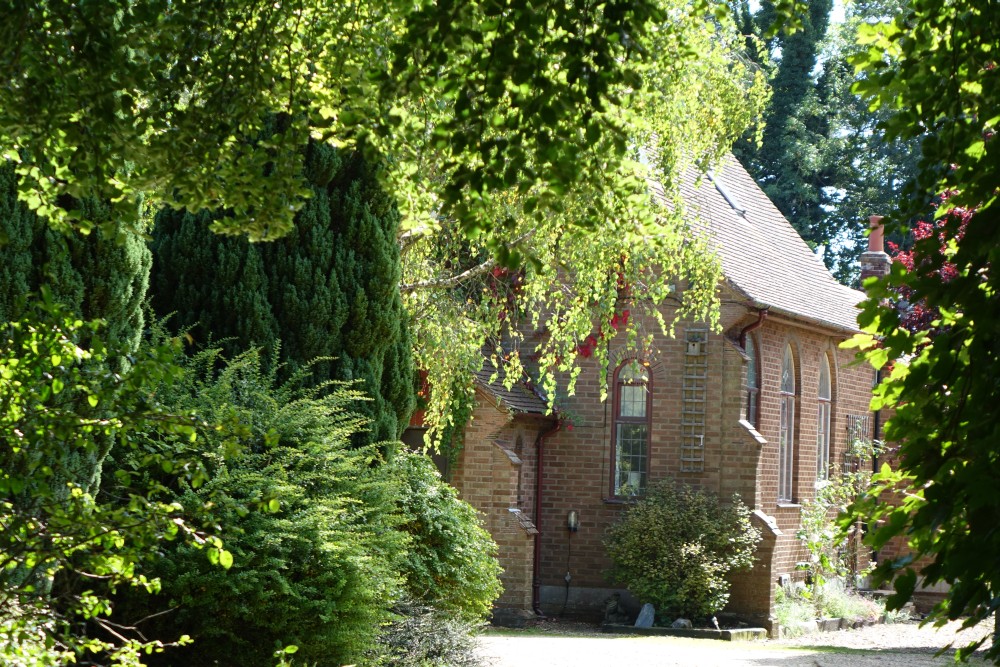
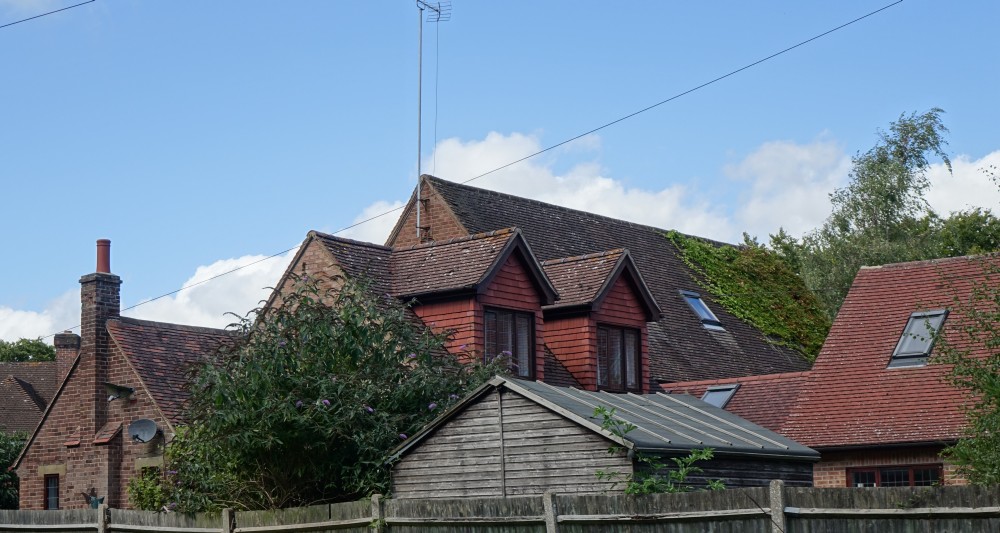
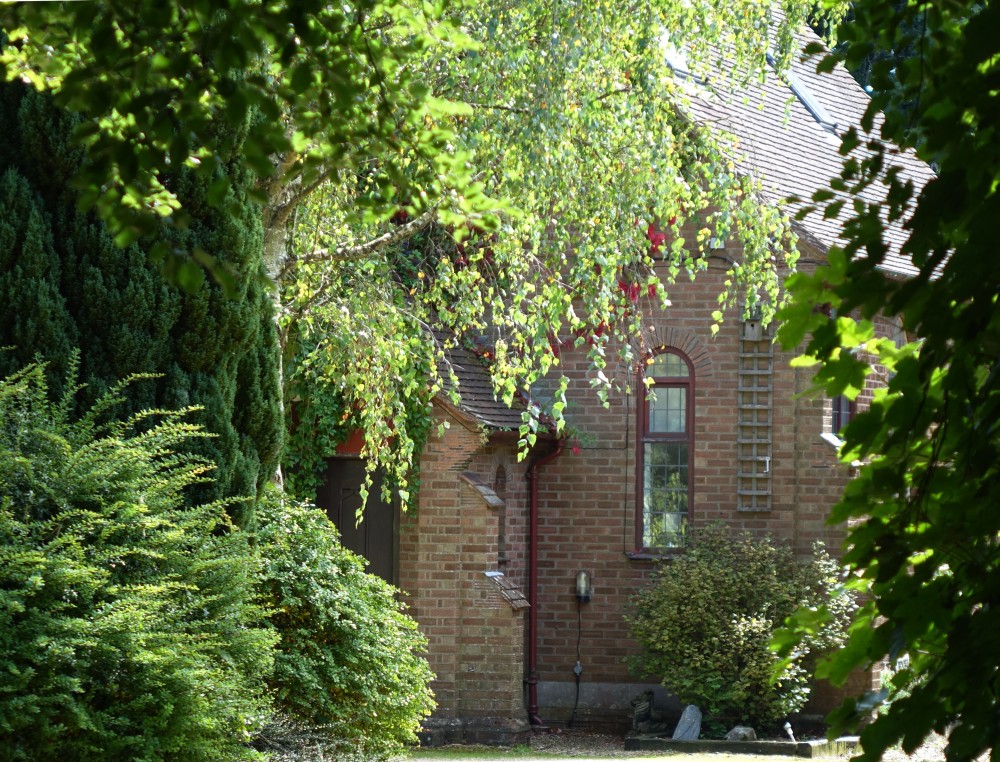
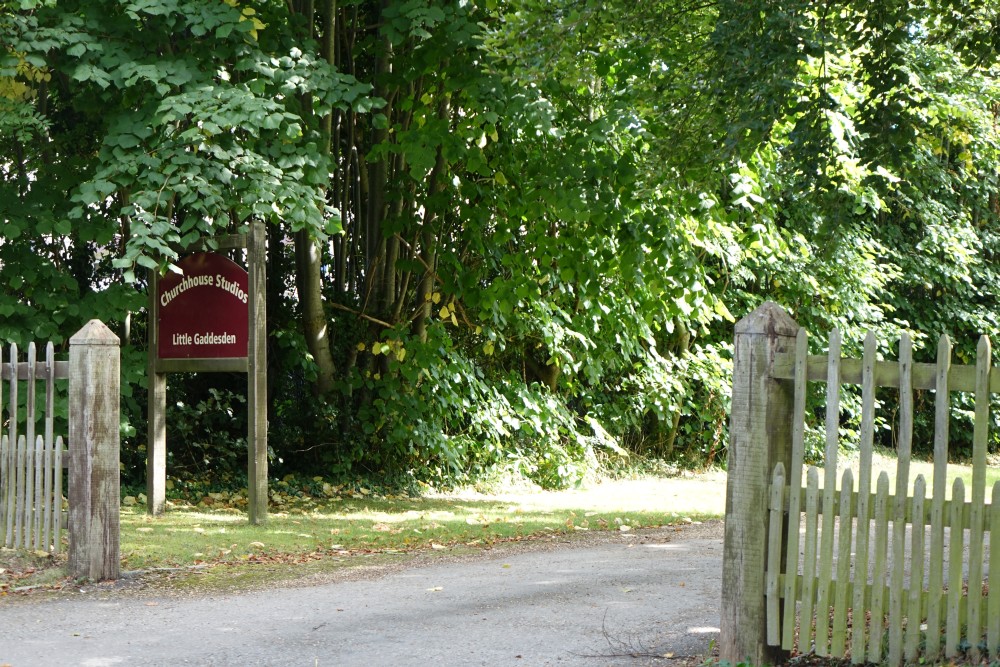
Chapel (former), Hudnall Lane, Little Gaddesden now Churchhouse Studios
On the corner of Chapel Close and Hudnall Lane at the southern edge of the village. The chapel has been converted into housing with several extensions added. It is largely hidden from the road.
 |
 |
 |
 |
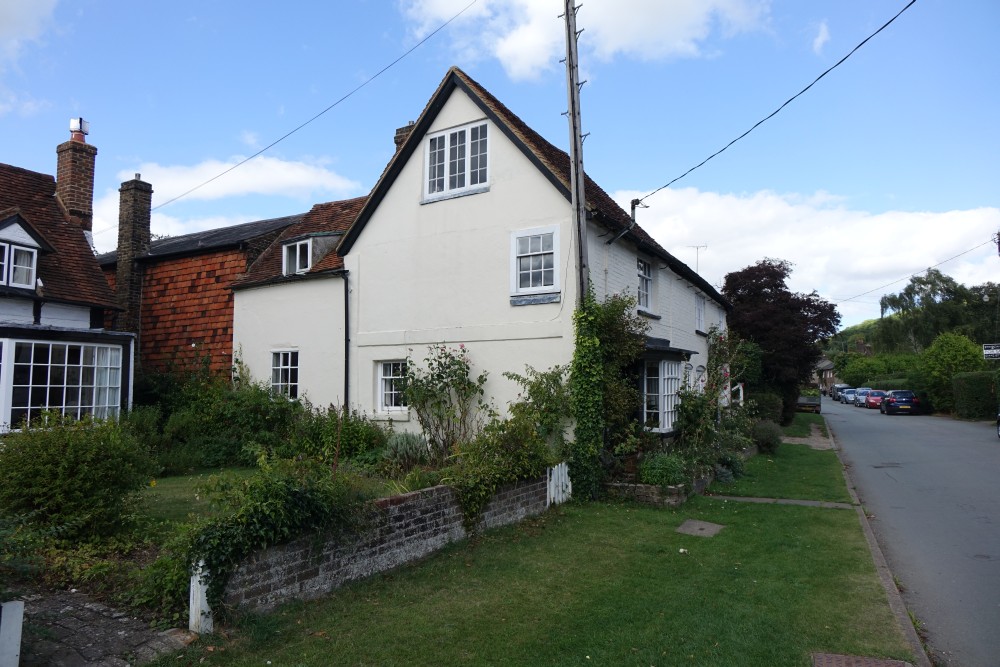
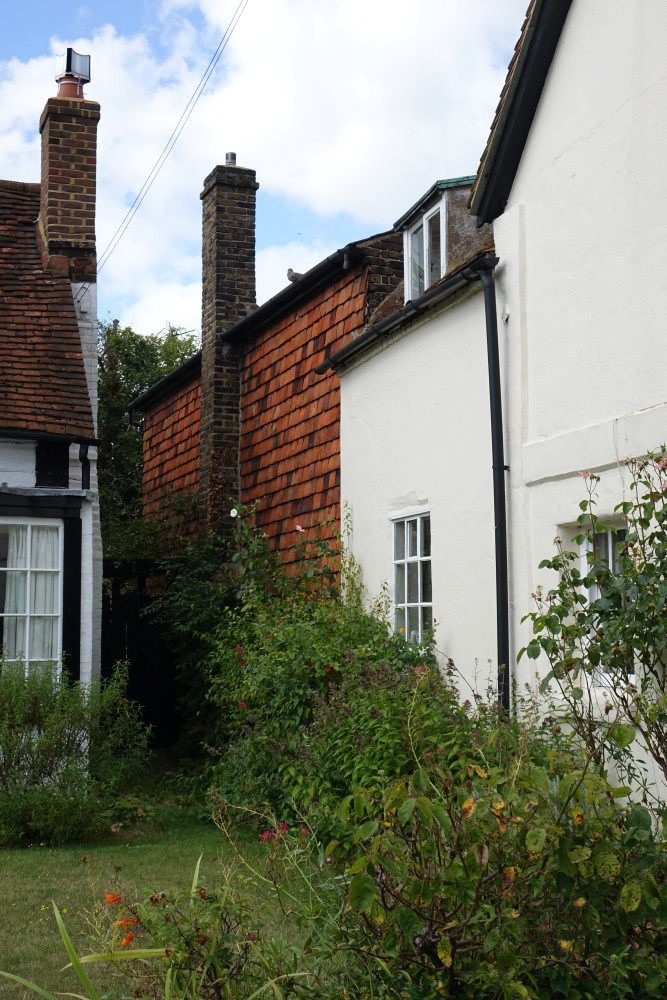
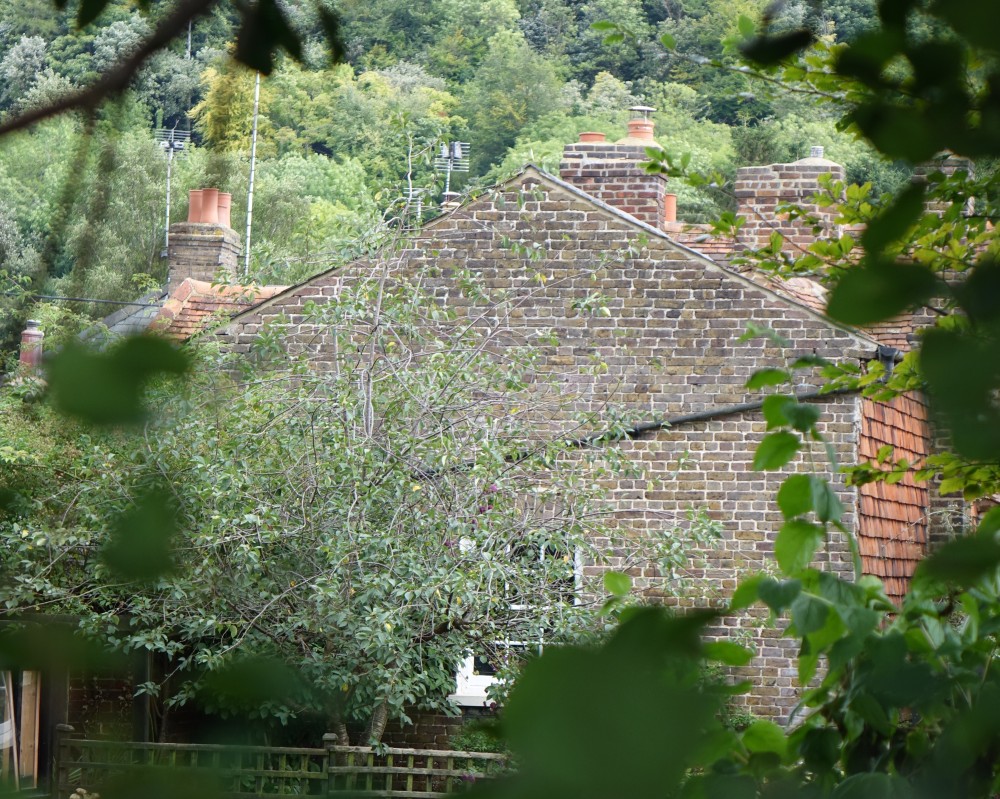
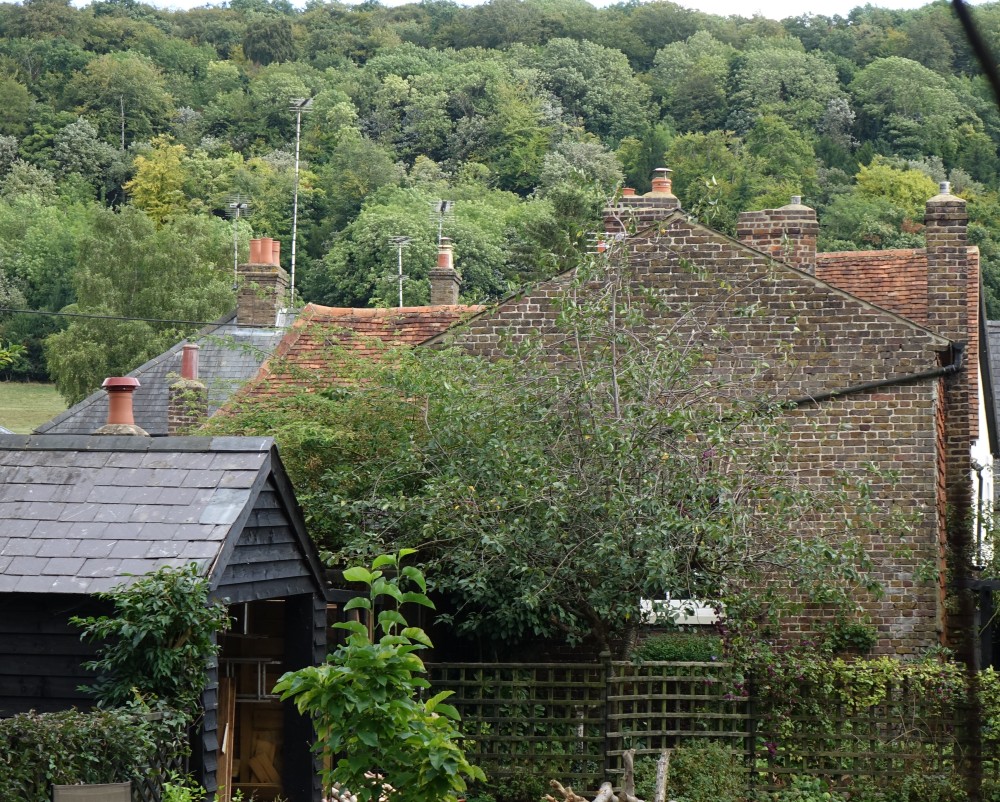
Baptist Church (former), rear of 39 Stocks Road, Aldbury
Hidden from the road behind Lace Cottage in Stocks Road, Aldbury. From the road only part of a tile hung wall can be seen, a public footpath at the rear of Stocks Road enables a view of an end wall only. It was built around 1827 or 1836 depending on the source used.
 |
 |
 |
 |
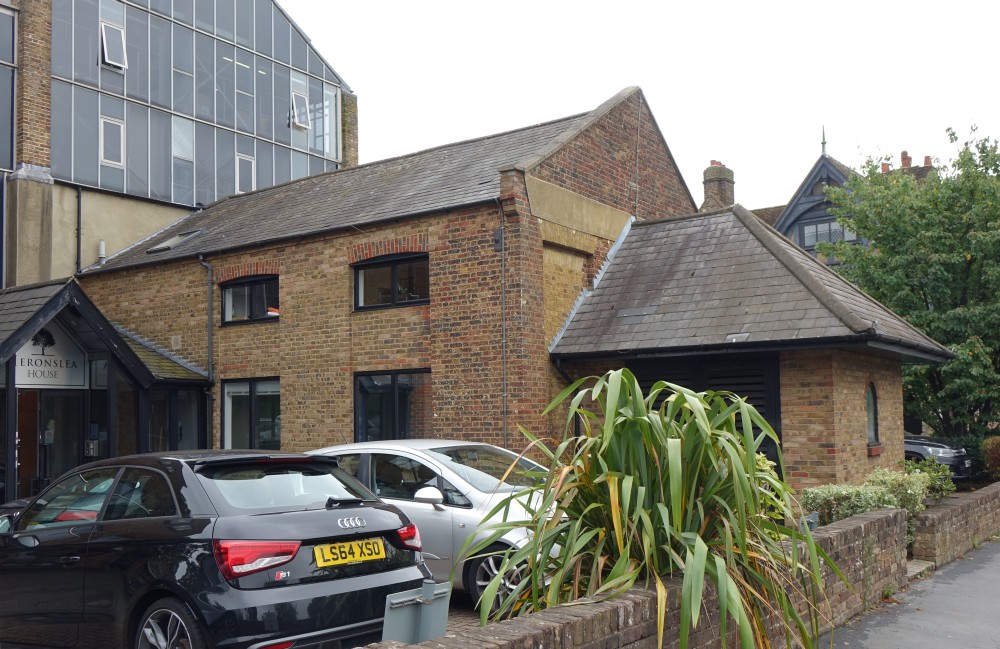
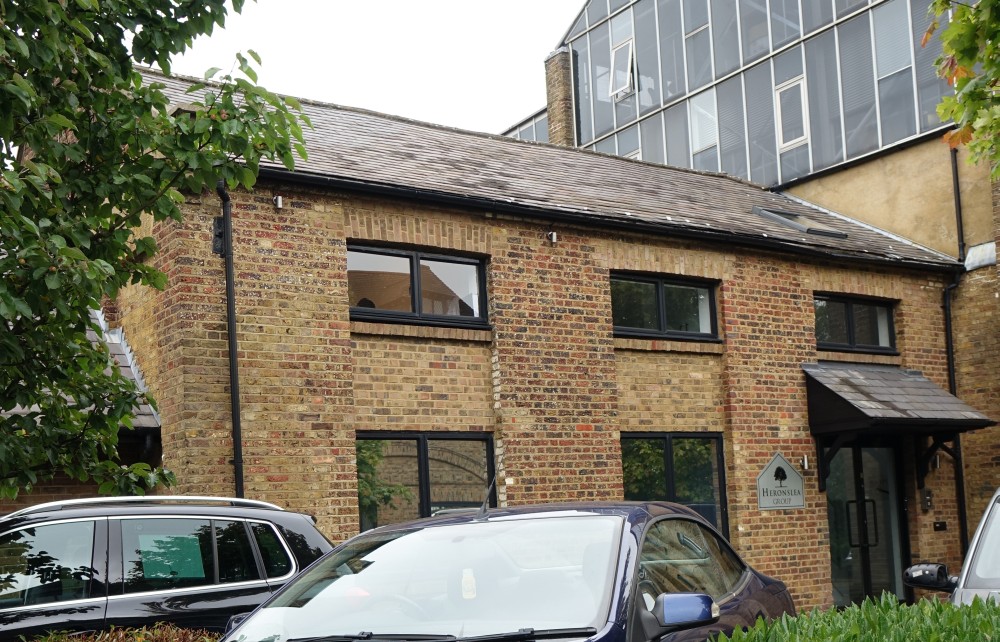
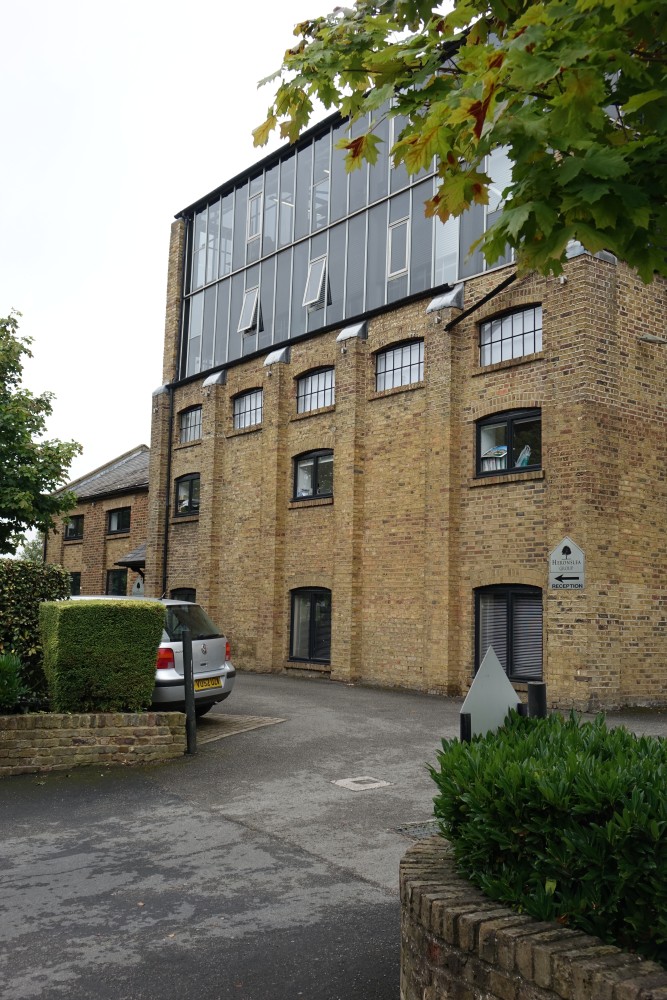
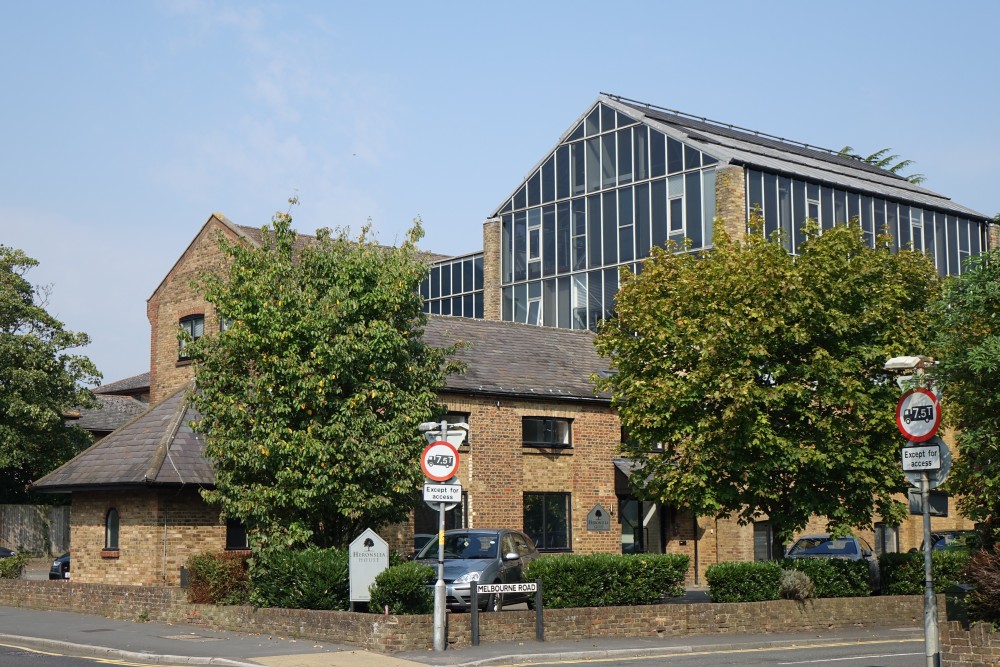
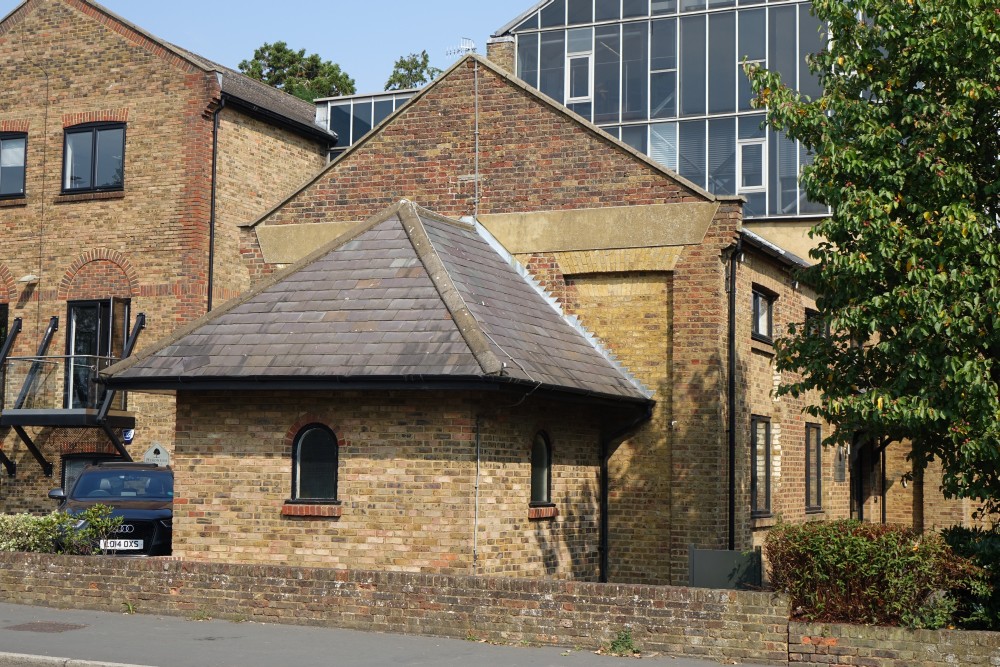
Primitive Methodist Chapel (Former), Melbourne Road/High Street, Bushey now Heronslea Group offices
Built in 1852 but it ceased to be a chapel in 1883 with a move to a relatively recently demolished tin church. It was converted into a private theatre by Sir Hubert Herkomer in about 1887, being close to his house and art school. It was extended in 1912-1913 when it became a film studio called ‘The Glass Studios’. All are now part of an office complex.
 |
 |
 |
 |
 |
|
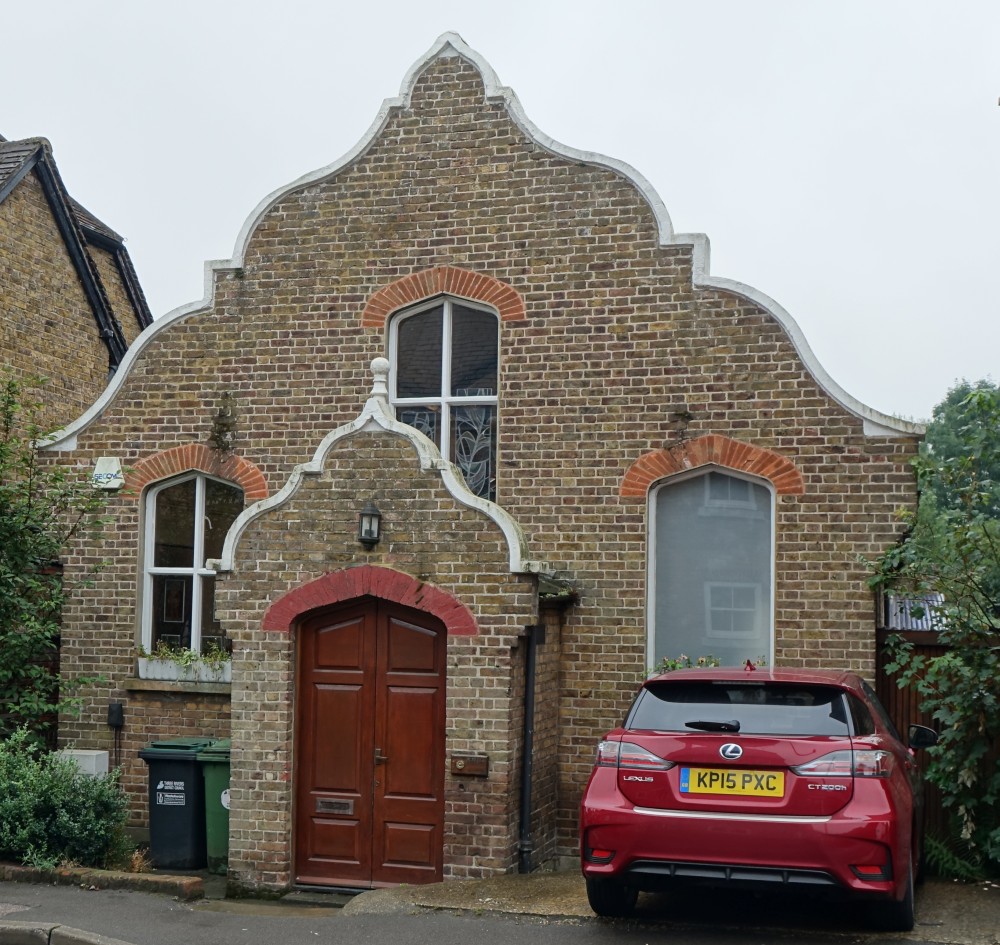
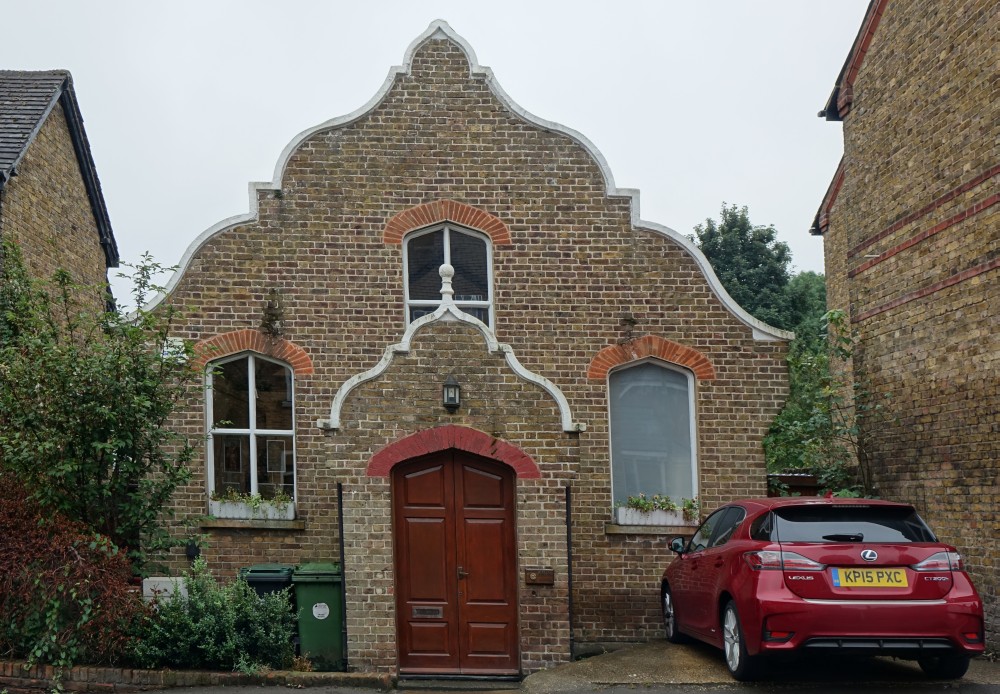
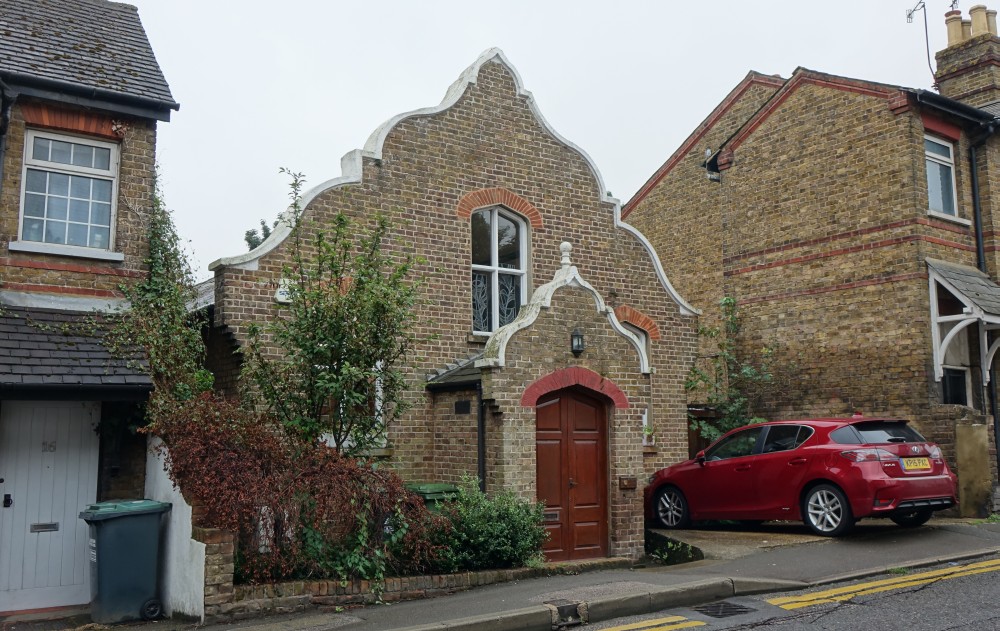
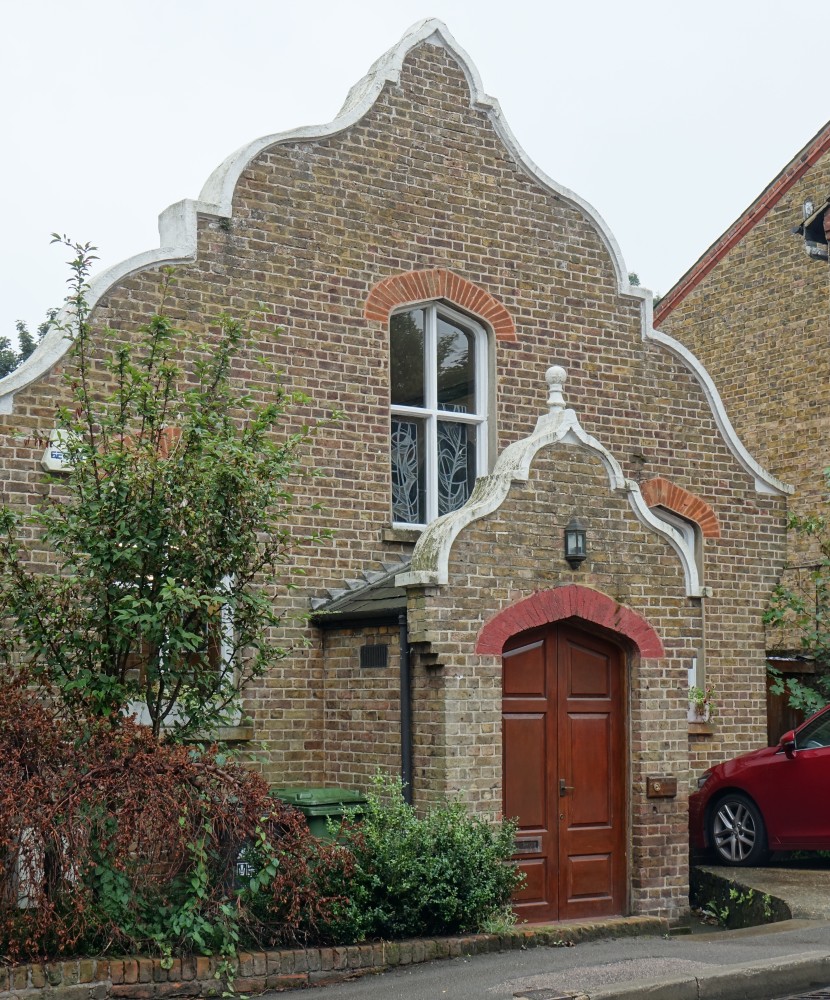
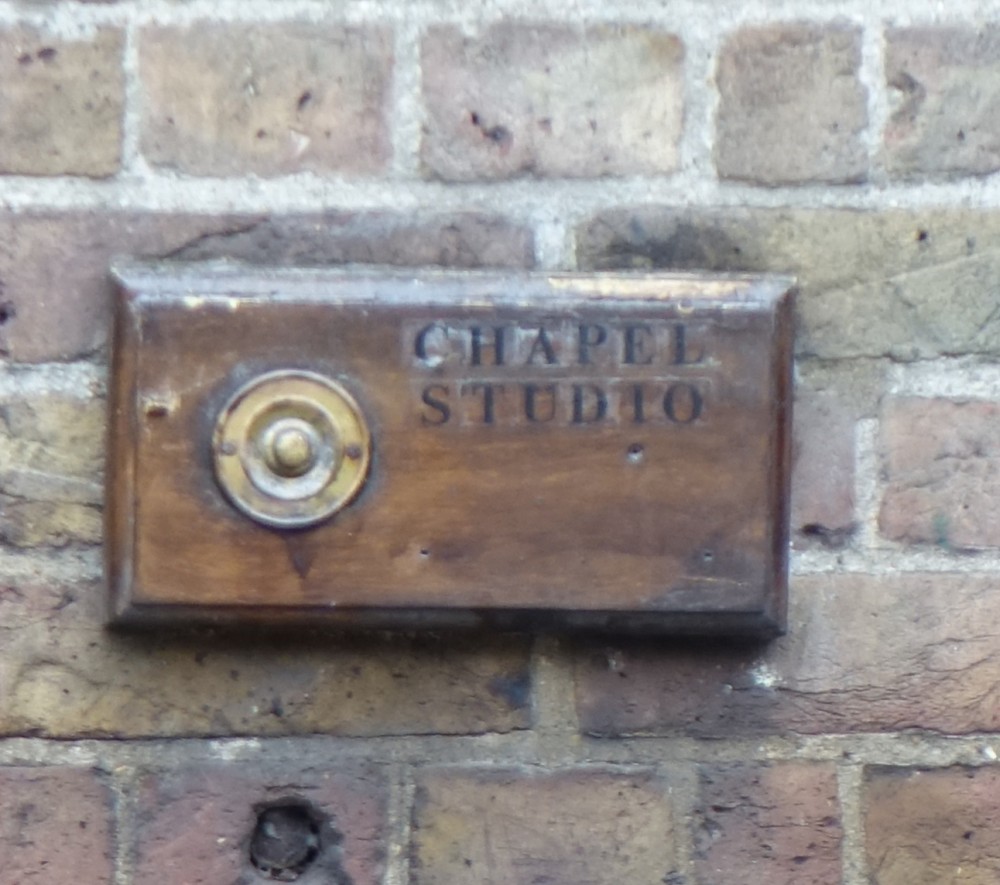
Chapel (former), 14 Bridge Road, Hunton Bridge, Abbots Langley now Chapel Studios Stained Glass Works
A small chapel now used by the stained glass designers and restorers Chapel Studios.
 |
 |
 |
 |
 |
|
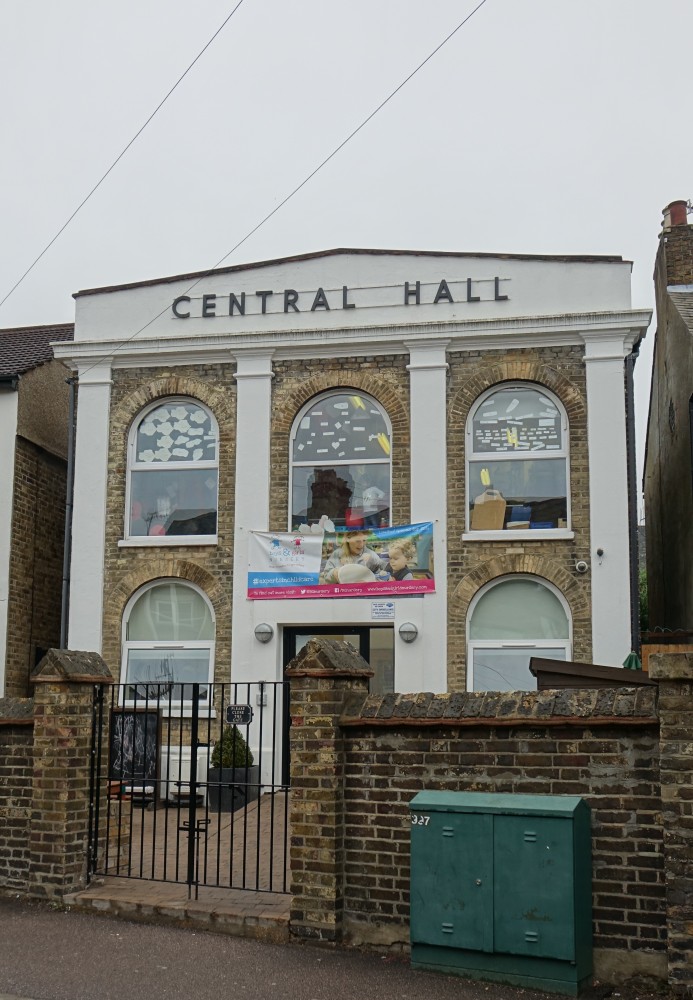
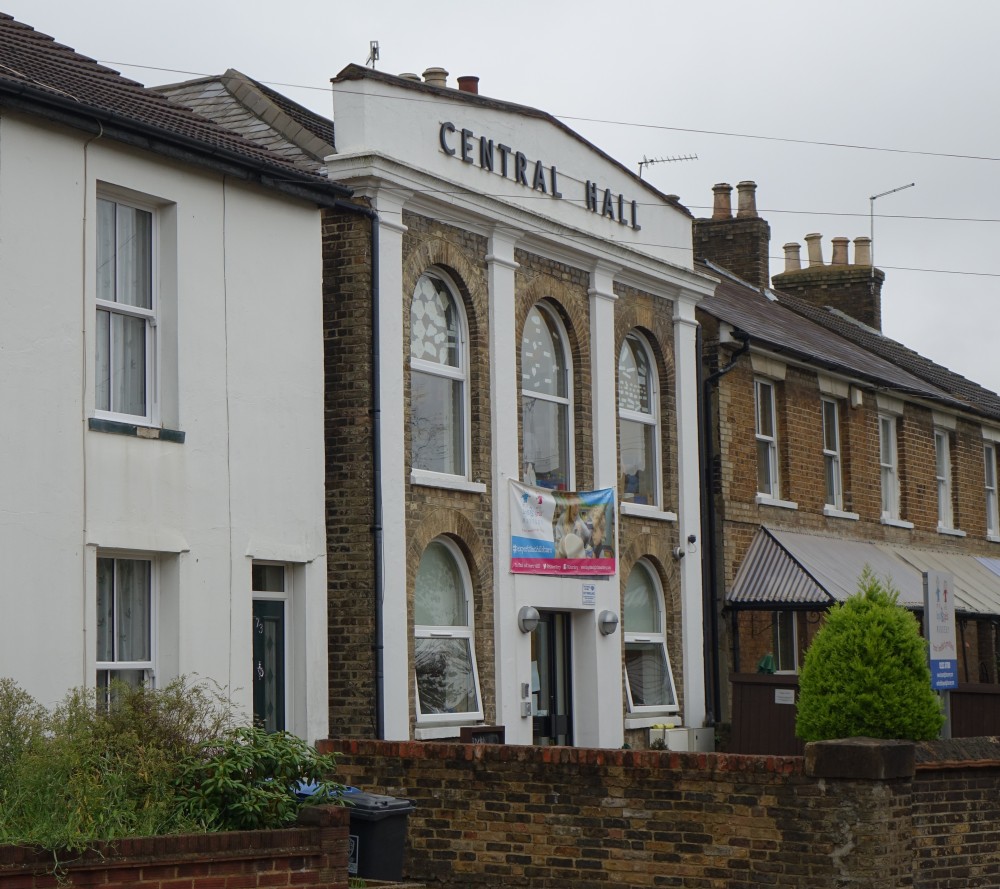
Central Hall (former), Loates Lane, Watford now Boys and Girls Nursery
Opened in August 1869 as a Strict Baptist chapel before the congregation moved to derby Road chapel, it then passed to The Plymouth Brethren It was named Central Hall in 1891 and by 1949 was used by The Christian Assembly. By the 1990s it was derelict and is now a day nursery.
 |
 |
 |
|
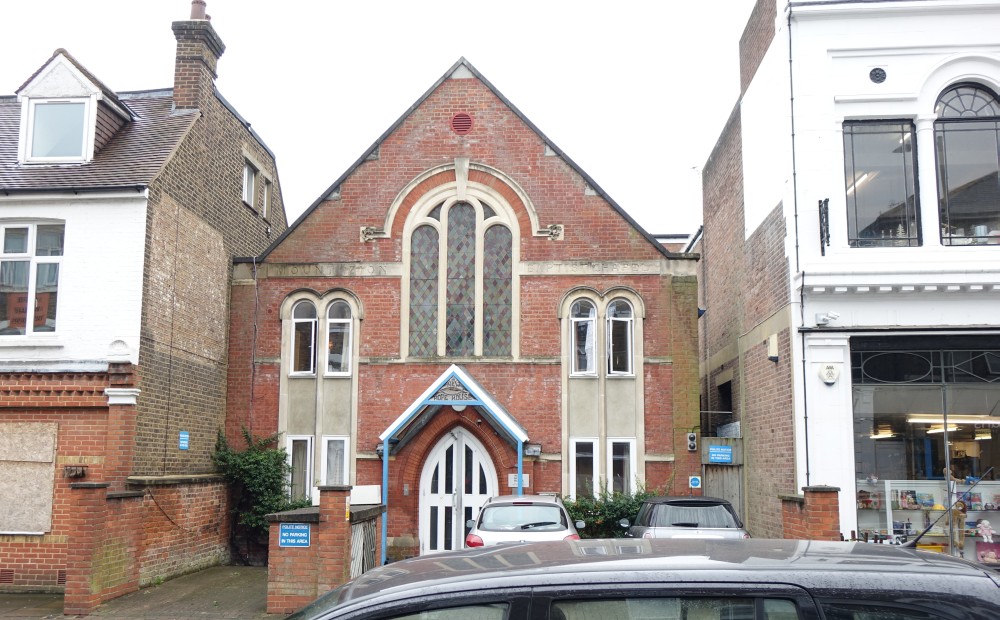
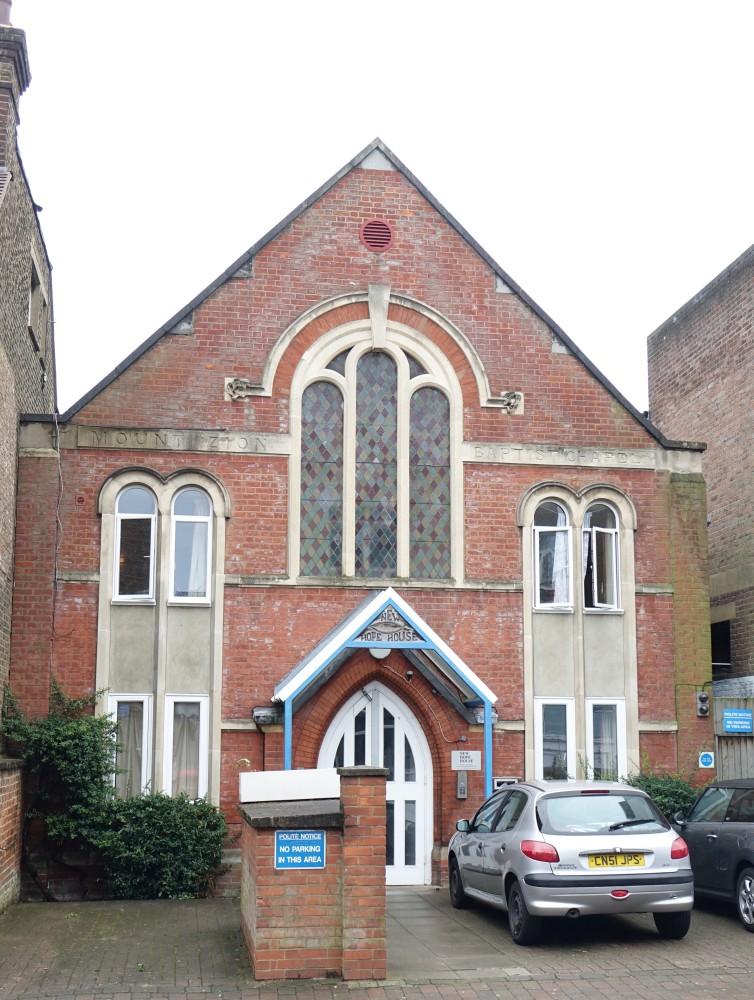
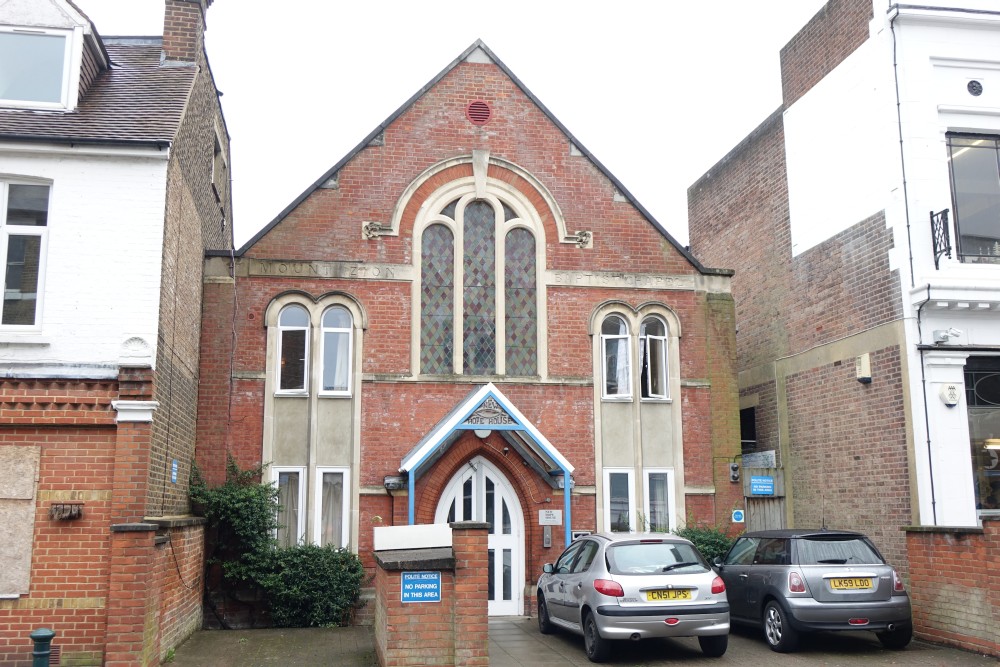
Mount Zion Baptist (former), 69 Queens Road, Watford now New Hope House
Built as a Strict Baptist church and designed by Charles Richard Lovejoy in 1884-85. It is now accommodation for the homeless run by the New Hope charity. It closed as a church in 1986 and was converted to a hostel in the 1990s.
 |
 |
 |
 |
 Hertfordshire Churches in photographs